How to Prune Yellow butterfly palm?
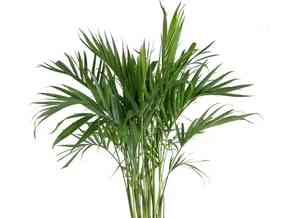
Distinguished by its gracefully curved leaves and golden-hued stalks, the yellow butterfly palm flourishes with periodic trimming. Eliminate any yellowed or deceased foliage from the base, and snip off faded flower stems to preserve its visual appeal and foster well-being. Perform pruning in late winter or early spring prior to its period of vigorous development. Excising suckers encourages a solitary trunk appearance but is not mandatory. Refrain from excessive pruning to avert undue strain on the yellow butterfly palm, thereby guaranteeing a luxuriant, lively presentation.
What Are the Benefits of Pruning Yellow Butterfly Palm?
What Are the Benefits of Pruning Yellow Butterfly Palm?
Trimming yellow butterfly palm encourages robust development and helps maintain its desired form, ensuring a neat appearance and preventing congestion that can lead to insect problems and illness.
What Is the Best Time for Pruning Yellow Butterfly Palm?
What Is the Best Time for Pruning Yellow Butterfly Palm?
The period from late winter to early spring is considered optimal for trimming yellow butterfly palm because during these seasons, the plant is in a dormant or slow-growth phase, anticipating the vigorous growth that typically occurs in spring and summer. Pruning yellow butterfly palm at this time minimizes stress on the plant, allowing it to recover and direct energy to new growth as temperatures rise. Furthermore, removing dead or damaged fronds before the start of the growing season helps prevent disease and pest infestation. By pruning in late winter or early spring, gardeners can promote healthier, denser foliage and maintain the plant's desired shape.
What Tools Do I Need to Prune Yellow Butterfly Palm?
Hand Pruners
Perfect for trimming small, slender stems of yellow butterfly palm, hand pruners deliver a clean cut without harming the plant. Opt for bypass pruners over anvil types to avoid crushing stem tissues.
Loppers
For thicker stems that hand pruners cannot manage, loppers provide extended reach and greater leverage. Their long handles allow for precision in hard-to-reach areas without damaging adjacent foliage.
Pruning Saw
When dealing with mature and woody stems of yellow butterfly palm that are too thick for hand pruners and loppers, a pruning saw is essential. It enables clean cuts without applying excessive pressure, which can injure the plant.
Gloves
To safeguard hands from the sharp fronds and potential skin irritation while trimming yellow butterfly palm, wearing gloves is crucial.
Disinfectant
Before pruning yellow butterfly palm, it is important to sanitize cutting tools to prevent the spread of diseases. Use rubbing alcohol or a 10% bleach solution to sterilize the blades after each cut.
How to Prune Yellow Butterfly Palm
Step1: Inspect plant for unhealthy elements
Thoroughly examine yellow butterfly palm, focusing on identifying yellow leaves, dead fronds, and old seed pods. Check for any signs of disease or infestation that may need attention before pruning.
Step2: Sanitize pruning tools
Sanitize your pruning tools with either rubbing alcohol or a bleach solution to prevent the spread of disease. Sharp, clean pruning shears will yield the best results.
Step3: Prune yellow leaves at origin
Begin with the yellow leaves. Carefully trace the stem of each yellow leaf back to its point of origin on the main stem. Make a clean cut as close to the main stem as possible without causing damage.
Step4: Remove dead fronds at main stem
Remove dead fronds from yellow butterfly palm. Cut each frond at the point where it connects to the main stem, similar to the yellow leaves, without harming the main stem or nearby healthy fronds.
Step5: Detach old seed pods at base
Identify old seed pods. They should be removed to encourage new growth and to maintain the plant's appearance. Cut them off at their base where they attach to the main stem, ensuring a clean cut without harming the stem.
Step6: Shape plant, avoiding over-pruning
Shape yellow butterfly palm if necessary, by selectively trimming to maintain its natural form. Avoid excessive pruning, which can stress the plant and hinder its growth.
Step7: Dispose of pruned material properly
Properly dispose of all removed material, away from the base of yellow butterfly palm to reduce the risk of fungal diseases or pests that might thrive on decaying plant matter.
Step8: Clean tools after pruning
Clean and sanitize your tools again after pruning is complete to prevent the potential spread of disease to other plants.
Step9: Water plant post-pruning for recovery
Water yellow butterfly palm sufficiently after pruning to aid the plant's recovery. Ensure proper drainage, as overwatering can lead to root rot.
Step10: Monitor plant and maintain care routine
Monitor yellow butterfly palm after pruning for any signs of stress and maintain a consistent care routine, including proper lighting, watering, and feeding practices.
Post-Pruning Care for Yellow Butterfly Palm
Post-Pruning Care for Yellow Butterfly Palm
Immediately after trimming yellow butterfly palm, water the soil to encourage recovery but prevent waterlogging. Maintain bright, indirect light and a stable temperature of 60-75°F. High humidity is crucial; mist the leaves if the air is dry. Resume fertilization with a balanced, slow-release formula after 2-4 weeks to support new growth. Monitor yellow butterfly palm for wilted leaves or stem discoloration, which indicate stress or infection. If signs occur, adjust care and consult a specialist if needed.
Common Pruning Mistakes with Yellow Butterfly Palm
Over-Pruning Impairs Photosynthesis and Plant Stress
Trimming too aggressively can harm yellow butterfly palm, diminishing its ability to photosynthesize effectively and stressing the plant.
Dull and Dirty Tools Lead to Disease
Using dull or unclean tools can result in jagged cuts that are more vulnerable to disease, pests, and decay.
Unnecessary Removal of Healthy Fronds Reduces Energy
Removing healthy green fronds unnecessarily can weaken yellow butterfly palm by depriving it of essential nutrients and energy reserves.
Too-Close Cuts Damage Plant Trunk and Fronds
Cutting fronds too close to the trunk can damage the trunk and the emerging fronds, potentially causing irreversible harm.
Ignoring Dead Fronds Attracts Pests and Disease
Neglecting to prune yellowing or dead fronds, which can lead to pest infestations and fungal diseases.
Common Pruning Tips for Yellow Butterfly Palm
Precise Cuts with Clean, Sharp Tools Aid Healing
Use clean, sharp tools to make precise cuts, preventing unnecessary damage and promoting quicker healing on yellow butterfly palm.
Remove Only Dead Fronds Without Harming Trunk
Focus on removing only the yellowing or dead fronds from yellow butterfly palm, cutting at the base without damaging the trunk.
Avoid Cutting Main Stem to Preserve Natural Shape
Avoid topping yellow butterfly palm or cutting back the main stem, as this can stunt growth and disrupt the plant's natural shape.
Prune Spent Flower Stalks to Encourage Growth
Prune any flowering stalks once they are spent to encourage yellow butterfly palm to focus energy on foliage and new growth.
Inspect for Pests and Disease During Pruning
Regularly inspect yellow butterfly palm for signs of pests or disease when pruning, and address any issues promptly to maintain plant health.



