Enhancing Your Garden Design with the Yellow butterfly palm Plant: A Landscaping Guide
1
The yellow butterfly palm is a adaptable plant that fits well into diverse garden layouts.
2
Careful design improves the visual attractiveness of the yellow butterfly palm in your outdoor space.
3
Consistent upkeep guarantees the yellow butterfly palm stays a beautiful centerpiece in your garden design.
Introducing the Yellow Butterfly Palm in Landscape Design
Why opt for the Yellow Butterfly Palm in your garden?
Selecting the Yellow Butterfly Palm for your outdoor space offers numerous advantages. This attractive plant is not only simple to care for but also highly adaptable to various landscape styles. Its abundant foliage provides a tropical ambiance, fostering a tranquil atmosphere in your yard. Furthermore, the Yellow Butterfly Palm is recognized for its air-purifying qualities, making your garden both beautiful and beneficial for health. Whether you're a novice or seasoned gardener, this palm is an excellent addition to your green area.
The visual appeal of the Yellow Butterfly Palm
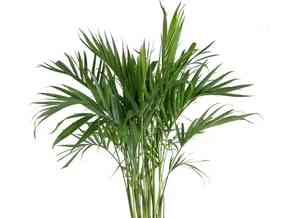
The Yellow Butterfly Palm possesses a distinct visual charm that can enhance diverse garden aesthetics. Its gracefully arching fronds gently sway in the breeze, adding a dynamic, elegant element to your property. Its vibrant hue can serve as a focal point or a pleasing backdrop, depending on your design vision. Whether incorporated into a modern, minimalist garden or a lush, tropical setting, the Yellow Butterfly Palm imparts a touch of sophistication and calm.
Designing Your Garden Layout with Yellow Butterfly Palm
Assessing crucial conditions for the Yellow Butterfly Palm
Before planting the Yellow Butterfly Palm, it's vital to confirm your garden offers the necessary conditions for its growth. This plant thrives in well-draining soil with moderate moisture. It prefers partial to full sun, though it can tolerate some shade. Verify if your chosen spot meets these requirements and make any needed soil improvements to ensure robust growth. Understanding these factors will help you create an ideal environment for the palm and prevent future issues.
Integrating the Yellow Butterfly Palm into existing designs
Incorporating the Yellow Butterfly Palm into your current garden design can be a smooth process. First, consider the plant's mature size and growth habit to prevent overcrowding. It performs well as a solitary specimen, in clusters, or as a privacy screen along boundaries. Its adaptability makes it suitable for both formal and informal garden environments. Thoughtfully blend the Yellow Butterfly Palm with your existing plants and structures to achieve a unified and balanced appearance.
Selecting companion plants for the Yellow Butterfly Palm
Choosing appropriate companion plants for the Yellow Butterfly Palm can enhance your garden's overall beauty. Opt for plants that flourish in similar conditions and possess complementary textures and colors. Other palms, ferns, and colorful flower beds are excellent choices that pair well with the Yellow Butterfly Palm. These combinations can create layers of visual interest and contribute to a harmonious and lively landscape. Experiment with different plant pairings to discover the best combination for your design goals.
Maintaining the Aesthetic of the Yellow Butterfly Palm
Seasonal considerations for the Yellow Butterfly Palm
Preserving the Yellow Butterfly Palm's visual appeal requires attention to seasonal changes. During its active growth period, ensure the plant receives sufficient water and nutrients. Mulching around its base helps retain moisture and keep roots cool. In colder regions, consider potted arrangements that can be moved indoors to protect from frost. Regularly prune any damaged or yellowing leaves to maintain its best look. These seasonal steps will help you enjoy your Yellow Butterfly Palm throughout the year.
Managing its growth and spread
Controlling the growth and spread of the Yellow Butterfly Palm is crucial to maintain its intended role in your garden design. Regular trimming helps manage its size and promotes healthier development. Removing dead fronds not only improves the plant's appearance but also deters potential pest problems. If new shoots emerge at the base, decide whether to encourage a fuller look or maintain a single stem for a neater aesthetic. Proper management ensures the Yellow Butterfly Palm remains an attractive feature in your landscape.
Common Challenges and Solutions
Addressing pests and diseases
While the Yellow Butterfly Palm is quite resilient, it's not immune to pests and diseases. Common problems include spider mites, scale insects, and fungal infections. Regularly inspect the plant for any signs of trouble and act promptly if necessary. Natural remedies like neem oil or insecticidal soap can be effective against pests, while proper watering and air circulation can help prevent fungal issues. Staying vigilant and resolving problems quickly will keep your Yellow Butterfly Palm healthy and thriving.
Overcoming environmental stressors
Environmental stress, such as extreme temperatures or poor soil quality, can impact the Yellow Butterfly Palm's health and appearance. To mitigate these challenges, ensure your plant is well-hydrated during hot periods and shielded from strong winds. Amending the soil with organic material can improve drainage and nutrient availability. If growing the Yellow Butterfly Palm in a container, consider relocating it during adverse weather. Taking these proactive steps will help your Yellow Butterfly Palm adapt and flourish despite environmental pressures.



