How to Overwinter Yellow butterfly palm
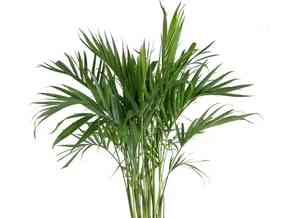
1
The Yellow butterfly palm flourishes in temperatures ranging from 18-24°C (65-75°F).
2
This plant favors humidity levels between 40%-60%, which supports healthy leaf development.
3
Excessive fertilization in winter can damage your Yellow butterfly palm. If feeding is necessary, reduce fertilizer concentration by half.
Why Yellow butterfly palm Needs Overwintering
Why Yellow butterfly palm Needs Overwintering
The Yellow butterfly palm, known for its vibrant fronds and graceful appearance, struggles in cold weather due to its tropical origin. Native to Madagascar, this plant is frost-sensitive and can suffer from cold damage if exposed to temperatures below 10°C (50°F). Overwintering helps the plant survive and remain healthy during the colder months. Bringing the plant indoors is crucial to protect it from chilly conditions, ensuring it can resume strong growth in the spring.
Preparing Yellow butterfly palm for Overwintering
Assessing Plant Health
Before bringing your Yellow butterfly palm indoors, inspect it for any signs of disease, pests, or stress. Look for yellowing or browning leaves, as well as any suspicious spots or wilting. Healthy plants overwinter more successfully than those already struggling with issues.
Cleaning and Pruning
Cleaning and pruning are vital preparatory steps. Gently wash the leaves to remove dust and potential pests. Prune any dead or damaged fronds with clean, sharp scissors or pruners. This not only helps reduce pest infestations but also allows your palm to use its energy more efficiently.
Ideal Indoor Conditions for Yellow butterfly palm During Winter
Temperature Requirements
Keep your Yellow butterfly palm in an area where the temperature remains between 18-24°C (65-75°F). Avoid placing the plant near drafts, radiators, or other areas with fluctuating temperatures which can stress the plant.
Humidity and Air Circulation
This palm thrives in a humid environment. If your indoor air is dry, consider using a humidifier or placing a tray of water near the plant to maintain humidity levels between 40%-60%. Ensure thereâs good air circulation, but avoid placing it in the path of direct airflow from vents to prevent leaf desiccation.
Lighting Needs
Provide bright, indirect light for your Yellow butterfly palm. A spot near a north or east-facing window is ideal. If natural light is insufficient, you can supplement with fluorescent or LED grow lights, ensuring the plant receives at least 6-8 hours of light daily.
Watering and Feeding Yellow butterfly palm in Winter
Adjusting Watering Schedule
During winter, reduce the watering frequency of your Yellow butterfly palm. Check the top 2-3 cm (1 inch) of soil and water only when it feels dry. Overwatering can lead to root rot, which is a common issue during the colder months when the plant's growth naturally slows down.
Winter Fertilization Tips
Fertilizing your Yellow butterfly palm in winter isnât typically necessary since the plantâs growth rate slows. If you choose to fertilize, use a balanced, diluted liquid fertilizer at half the recommended strength, and limit it to once during the winter season.
Common Issues and Solutions During Overwintering
Addressing Leaf Yellowing and Browning
Leaf yellowing and browning can be alarming but are often caused by environmental stress such as improper lighting or humidity levels. Make adjustments to lighting, watering, and humidity as needed. Trimming damaged leaves can also help direct the plantâs energy to healthier parts.
Preventing Pests and Diseases
Indoor conditions can sometimes favor pests like spider mites and scale. Regularly inspect your Yellow butterfly palm and treat any infestations promptly with insecticidal soap or neem oil. Improving air circulation and cleanliness around the plant can also prevent many pest and fungal issues.



