How Much Sunlight Do Lemon verbena Need?
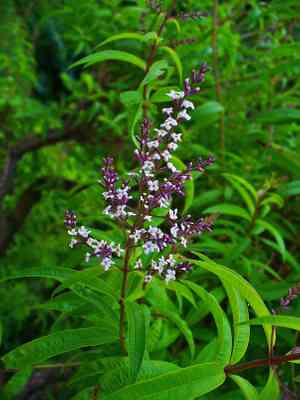
1
Lemon verbena flourishes optimally in direct sun, preferably exceeding 6 hours daily.
2
Sufficient sun exposure greatly enhances the taste and scent of Lemon verbena foliage.
3
Excessive sun can result in burned leaves, whereas too little sun may hinder development.
The Importance of Sunlight for Lemon Verbena
Photosynthesis and Development
Sunlight is vital for Lemon verbena as it powers photosynthesis, the process where plants convert light energy into chemical energy. During this, Lemon verbena plants absorb sunlight to create glucose, which is used for growth and maturation. Without enough sunlight, the plant's development can be hindered, leading to fewer leaves and a less vigorous appearance. Ensuring your Lemon verbena receives ample sunlight is the first step to maintaining a healthy plant.
Flavor Enhancement
The distinctive lemony aroma and taste of Lemon verbena are largely due to its exposure to sunlight. The plant's essential oils, which provide its unique fragrance and flavor, are more concentrated in leaves that get abundant sunlight. Therefore, for the best taste in your herbs, it's crucial to ensure your Lemon verbena is bathed in plenty of direct sunlight daily.
Optimal Sunlight Conditions for Lemon Verbena
Ideal Light Intensity
Lemon verbena thrives in full sun, meaning it requires approximately 6 to 8 hours of direct sunlight each day. Position your plant in the brightest available spot to provide it with the light intensity it desires. In areas with exceptionally hot summers, some afternoon shade can prevent leaf burn while still ensuring the plant receives sufficient light.
Duration of Sunlight Exposure
For robust growth, Lemon verbena should be exposed to sunlight for at least 6 hours daily. If grown indoors, placing it near a south-facing window will help it obtain the maximum possible light. Outdoor plants should be situated in a location that receives uninterrupted sunlight for most of the day.
Sunlight Requirements at Different Growth Stages
Seedling Phase
During the seedling stage, Lemon verbena plants are more delicate and can easily be damaged by excessive direct sunlight. It's best to provide them with bright, indirect light initially and then gradually increase their exposure to full sun as they mature. This helps prevent leaf scorching and ensures gentle acclimation to outdoor conditions.
Mature Plant
Once Lemon verbena plants reach maturity, they become more tolerant of direct sunlight. Mature plants flourish with full sun exposure, which helps maintain their health and lush foliage. Regularly observe your plant for indications of too much or too little light, and adjust its placement accordingly.
How to Provide Adequate Sunlight Indoors
Utilizing Grow Lights
Indoor gardening can be challenging when it comes to providing sufficient light. Grow lights offer an effective solution for giving your Lemon verbena enough light indoors. Choose full-spectrum grow lights, as they mimic natural sunlight and support photosynthesis. Position the grow lights about 6 to 12 inches (15 to 30 cm) above the plant for optimal light distribution. Keep the lights on for approximately 14-16 hours daily to compensate for the lack of direct sunlight.
Window Placement
Another strategy for indoor Lemon verbena care is to place the plant near a south-facing window, which typically receives the most daylight. East or west-facing windows can also work, but you might need to supplement with artificial lighting during shorter winter days or in less sunny climates. Regularly rotate the plant to ensure all sides receive equal sunlight exposure, promoting even growth.
Common Sunlight-Related Issues and Solutions
Signs of Excessive Sunlight
While Lemon verbena thrives in sunlight, too much direct exposure can cause leaf scorch and browning edges. If you observe these signs, consider providing some afternoon shade or moving the plant to a slightly less exposed spot during the hottest parts of the day.
Signs of Insufficient Sunlight
Conversely, inadequate sunlight can lead to several problems, such as leggy growth, pale leaves, and reduced flavor intensity. If your Lemon verbena appears weak or stretched out, it likely needs more light. Moving it to a sunnier location or adding supplemental grow lights can help correct these issues.
Adjusting Sunlight Exposure
Finding the correct balance of sunlight for your Lemon verbena may require some adjustments. Monitor your plant closely and be prepared to relocate it as needed. If outdoors, consider using shade cloths during peak sunlight hours to prevent scorching. For indoor plants, adjust the positioning relative to windows and artificial lights, ensuring consistent and adequate exposure throughout the day.



