Enhancing Your Garden Design with the Lemon verbena Plant: A Landscaping Guide
1
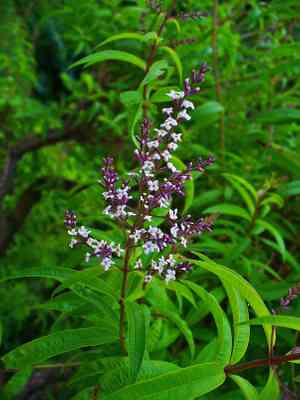
Lemon verbena offers distinct visual charm, boosting garden aesthetics.
2
Lemon verbena fits well into diverse garden designs, from structured to simple.
3
Strategic positioning and neighboring plants can improve Lemon verbena's development and attractiveness.
Explore the Visual Charm of Lemon Verbena
Appearance Features: Hue and Feel
Lemon verbena showcases a lovely mix of vivid green leaves and fragrant blossoms, drawing attention in any garden. The texture of its leaves offers a striking contrast when combined with various plant types. Its bright green shade can provide a refreshing backdrop, adding depth and vibrancy to your landscape design.
Seasonal Transformations: Visual Adaptations
Lemon verbena presents dynamic visual shifts throughout the year. From spring's fresh green shoots to summer's dense foliage and autumn's subtle color changes, Lemon verbena ensures continuous appeal. Observing these seasonal shifts can deepen your appreciation for the garden's natural rhythms and keep your outdoor area lively and engaging.
Integrating Lemon Verbena into Themed Gardens
Whether you're designing a themed garden or aiming to refresh an existing one, Lemon verbena can seamlessly fit into various themes. For instance, its aromatic qualities make it an excellent choice for a sensory garden, while its visual appeal allows it to shine in cottage or Mediterranean-style gardens. Strategically consider where to position Lemon verbena to enhance your garden's thematic elements.
Suitability for Various Landscape Designs
Enhancing Formal Landscapes
Lemon verbena can be a stunning addition to formal landscapes, especially when utilized in well-structured garden beds and borders. Its defined form and vibrant foliage add elegance and sophistication, making your formal garden appear meticulously planned. Consider using Lemon verbena to outline pathways or as a central element in a traditional parterre.
Improving Casual or Cottage Garden Styles
In a casual or cottage garden, Lemon verbena enhances the relaxed, natural feel with its unconstrained growth and abundant foliage. Ideal for informal planting schemes, Lemon verbena can be nestled among other perennials or allowed to cascade over paths and edges, adding an effortless charm and sense of plenty typical of cottage gardens.
Incorporating into Minimalist or Modern Designs
Lemon verbena's clean lines and simple beauty make it well-suited for minimalist or modern landscape designs. It can serve as a focal point in a zen garden or be planted in geometric arrangements for a sleek, contemporary look. Its understated elegance can introduce a touch of nature into spaces dominated by hardscaping and minimalist elements.
Placement and Spacing for Best Results
Optimal Locations for Planting Lemon Verbena in Your Garden
Choosing the correct spot for Lemon verbena is vital for its success in your garden. It thrives best in sunny or partially shaded areas where it can receive adequate light. Plant it near patios or windows where its scent can be enjoyed, or in garden beds where it can act as a focal point. Ensure the soil is well-drained to prevent root rot.
Spacing Considerations: Maximizing Growth and Health
Proper spacing is crucial to ensure Lemon verbena grows healthily and robustly. Avoid overcrowding by allowing sufficient room between plants, typically around 2-3 feet. This ensures air circulation, reduces disease risk, and allows each plant to receive adequate nutrients and light. Thoughtful spacing can make your garden appear more organized and deliberate.
Avoiding Common Planting Errors with Lemon Verbena
Common errors include planting Lemon verbena in poorly draining soil or overly shaded spots. Both can impede its growth and vitality. Additionally, avoid over-fertilizing, which can lead to weak, leggy growth. Mulching can help retain moisture and regulate soil temperature, but avoid burying the stem to prevent rot. With these tips, your Lemon verbena will thrive beautifully.
Companion Plants: Creating Harmony with Lemon Verbena
Selecting Complementary Plants: A Beginnerâs Guide
Choosing the right companion plants for Lemon verbena can create a cohesive and visually appealing garden. Consider plants with similar soil and sunlight needs, such as lavender, rosemary, or thyme. These aromatic herbs not only complement Lemon verbena aesthetically but also enhance the sensory experience of your garden.
Addressing Color and Size Differences
When planning your garden, consider color and size contrasts to create visual interest. Pair Lemon verbena's bright green leaves with plants that have darker foliage or brightly colored flowers. Additionally, consider the mature height of Lemon verbena and its companions to ensure a balanced and layered look. This approach creates depth and prevents any single plant from dominating others.
Benefits of Companion Planting with Lemon Verbena
Companion planting with Lemon verbena offers numerous advantages. Some plants can help deter pests or attract beneficial insects, enhancing your garden's ecological balance. Companion plants can also aid in moisture retention and soil improvement. By carefully selecting companions for Lemon verbena, you can foster a healthier, more sustainable garden ecosystem.



