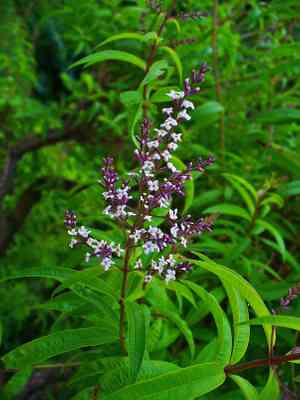
Lemon verbena(Aloysia citrodora)

Lemon verbena (Aloysia citrodora)

Also known as: Lemon Verbena, Lemon Beebrush

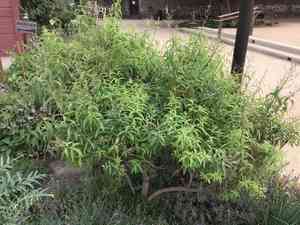
Lemon verbena, scientifically known as Aloysia citrodora, is a perennial shrub indigenous to South America. It was transported to Europe in the 17th century by Spanish and Portuguese explorers for its aromatic oil. When its leaves are crushed, the plant releases a potent lemon fragrance. The term "citrodora" in its scientific name signifies "lemon-scented." Typically blooming in late spring or early summer, this shrub may not flower if grown in pots. It's also referred to as lemon beebrush.

Attributes of Lemon verbena

Lifespan
Perennial
Plant Type
Shrub
Plant Height
1.8 m to 2.5 m
Spread
1.8 m to 2.5 m
Leaf Color
Green
Flower Size
1 cm to 5 cm
Flower Color
White Purple

ForwardPlant - Identify plants with a snap

Identify and diagnose plants, get toxicity alerts, and explore safety guides for all types of fungi.

Try for Free

Images of Lemon verbena

Lemon verbena(Aloysia citrodora)

Quickly Identify Lemon verbena

1
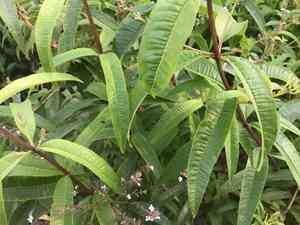
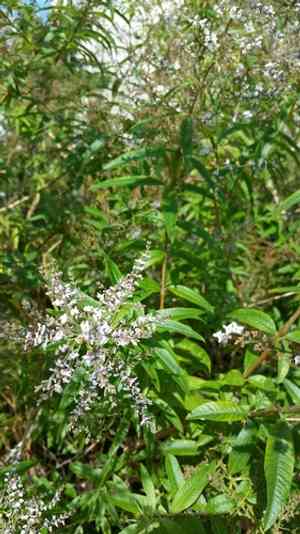
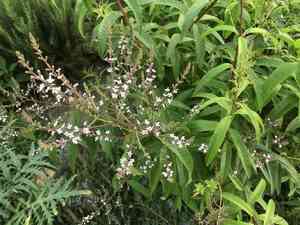
Lemon Verbena can be identified by its lance-shaped, pointed leaves which emit a strong lemon fragrance. The plant also produces small, white or pale purple flowers in late summer arranged in terminal clusters.

Scientific Classification of Lemon verbena

Phylum
Vascular plants
Class
Dicotyledons
Order
Lamiales
Family
Verbena
Genus
Beebrushes
Species
Lemon verbena

Planting and Growing of Lemon verbena

Care Difficulty
Easy
Watering Schedule
Every 4 days
Sunlight Requirements
Full sun
Sunshine Duration
4-6 hours
Ideal Temperature
65-77℉
Soil Type
Potting Mix, Peat Mix
Soil pH
6.5-7.5
Fertilizer Type
Balanced
Pruning Season
Spring, Summer
Pruning Area
Branches, Leaves
Pruning Frequency
2 times a year
Repotting Season
Spring
Pot Type
Plastic, Ceramic

water icon How to Water Lemon verbena?

Aloysia citrodora appreciates consistency in moisture levels. Ensure the soil remains slightly moist without becoming waterlogged. Around 200ml per watering session should maintain adequate hydration, allowing the soil to dry a bit on the surface between waterings.
What are the symptoms of an underwatered Lemon verbena?
What should I do if my Lemon verbena is not getting enough water?
What are the symptoms of an overwatered Lemon verbena?
How to save an overwatered Lemon verbena?
More About Watering Techniques

sunlight icon What Are the Sunlight Requirements for Lemon verbena?

Sunlight Requirements: Full sun, Partial sun
Duration of light: 6 to 8 hours
Aloysia citrodora thrives best in full sun or partial sun. This light level ensures it develops its full aromatic potential, growing lush and compact while maintaining its health and fragrance.
What is the best location for Aloysia citrodora?
How can I simulate optimal sunlight indoors?
Why is adequate sunlight crucial for Aloysia citrodora?
More About Sunlight Requirements Techniques

temperature icon What Is the Ideal Temperature Range for Lemon verbena?

Ideal Temperature: 65 ~ 77℉
The ideal temperature range for Aloysia citrodora, commonly known as lemon verbena, is between 65°F and 77°F. In this range, the plant is best able to photosynthesize and grow without stress. Maintaining an environment within this temperature range ensures that the plant has optimal humidity levels and soil conditions for nutrient uptake.

soil icon What Soil is Best for Lemon verbena?

Soil type: Sandy soil, Loam, Sandy loam
Soil PH: 6.5 ~ 7.5
Aloysia citrodora thrives in well-draining soil to prevent waterlogging, which can lead to root rot. Good drainage ensures roots get enough oxygen, promoting healthy growth. While it prefers fertile soil, adding organic matter can enhance nutrient availability. Nutrient-rich soil supports leaf and flower production, enhancing overall plant health. Although adaptable, Aloysia citrodora prefers slightly alkaline conditions. Such pH supports optimal nutrient absorption and acts as a buffer against potential soil acidity. More About Soil

fertilize icon How to Fertilize Lemon verbena?

Fertilizer type: Balanced
For Aloysia citrodora, apply liquid fertilizer at a rate of half a teaspoon per gallon of water. During periods of active growth, this plant benefits from a balanced fertilizer; dilute the liquid feed to ensure the roots are not overwhelmed. More About Fertilizing Techniques

prune icon How to Prune Lemon verbena?

Pruning Time: Spring, Summer
Focus on removing any dead, damaged, or crossing branches first. These can interfere with the plant's growth and air circulation, making it more susceptible to diseases. Trim back the longest branches to maintain a dome-like shape. This keeps the plant dense and compact, improving its overall appearance and the distribution of sunlight. Make your cuts just above a leaf node or bud. This stimulates new growth in the desired direction and helps in creating a fuller plant with more lush foliage. More About Pruning Techniques

propagate icon How to Propagate Lemon verbena plant?

Propagate Time: Spring, Early summer
1
Select healthy, non-flowering stems for cuttings, about 4 inches long, and make a clean cut just below a node. Remove the lower leaves to reduce moisture loss during rooting.
2
Prepare a well-draining potting mix or seed starting mix. A mix of perlite and peat moss can be used to promote aeration and moisture retention for root development.
3
Insert the cuttings into the prepared growth medium, ensuring that the cut ends are buried. Firm the soil around the base to ensure contact for better rooting.
More About Propagating Techniques

repot icon How to Repot Lemon verbena plant?

Repotting frequency: Every 2-3 years
1
Aloysia citrodora needs repotting when you notice roots growing through drainage holes or the plant becoming root-bound. Also, if growth seems stunted or the soil drains too quickly, it's likely time to upgrade to a larger pot to provide more space and nutrients.
2
Choose a pot that is slightly larger than the current one, ideally 1-2 inches bigger in diameter. It should have several drainage holes to prevent waterlogging, which helps avoid root rot. A sturdy, ceramic or plastic pot works well as it retains moisture without being too heavy.
3
Opt for a loamy, well-draining soil mix, enriched with organic matter to retain nutrients yet allow excess water to escape. This balance helps sustain the roots in both nourishing and avoiding overly soggy conditions, encouraging healthy growth.

ForwardPlant - Identify plants with a snap

Find the best spots for them to optimize their health, simply using your phone.

Try for Free

Toxicity of Lemon verbena

Is Lemon verbena toxic to cat?

Lemon verbena presents a low toxicity hazard to felines and may result in poisoning if ingested in large quantities. Every part of this plant is deemed toxic, making it essential for cat guardians to prevent their pets from consuming any portion of lemon verbena. While the specific toxic compounds are not detailed, ingestion can lead to physical discomfort in cats, highlighting the necessity for vigilance to safeguard their health. Should poisoning be suspected, it is crucial to promptly seek veterinary care to ensure the affected cat's well-being.

Is Lemon verbena toxic to dog?

Lemon verbena presents a mild risk of toxicity for dogs. While it is typically safe when consumed in small amounts, ingesting large quantities can result in poisoning. All parts of the plant are deemed toxic if eaten in significant amounts, meaning dogs can become poisoned by consuming any aspect of it. Symptoms of lemon verbena poisoning may vary and can encompass gastrointestinal distress, such as vomiting and diarrhea, as well as lethargy or other indications of discomfort. Should you suspect that your dog has ingested a large quantity of lemon verbena, it is crucial to seek immediate veterinary assistance to ensure appropriate treatment and management of any symptoms.

Identify toxic plants for your safety

Learn which plants are harmful to you and your pets, and make informed choices for a safer home!

Try for Free
WARNING
The judgment on toxicity and danger is for reference only. We DO NOT GUARANTEE any accuracy of such judgment. Therefore, you SHALL NOT rely on such judgment. It is IMPORTANT TO SEEK PROFESSIONAL ADVICE in advance when necessary.
More About Toxic Techniques