Optimal Soil for Growing Lemon verbena: What You Need to Know
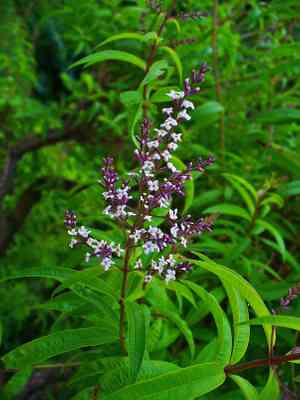
1
Lemon verbena flourishes in ground with a pH level between 6.5 and 7.5, which is categorized as mildly acidic to neutral.
2
Adding organic matter to your earth can greatly enhance its composition, supplying vital nourishment and improving water flow.
3
Periodically checking your soil's pH assists in preserving the perfect environment for Lemon verbena, guaranteeing peak development and vitality.
What kind of substrate does Lemon verbena require?
Well-Draining Substrate
For optimal growth, Lemon verbena plants need soil that allows water to pass through easily. Inadequate drainage can lead to saturated roots, potentially causing root rot or other related problems. The best approach is to use a mixture that facilitates water flow while retaining sufficient moisture for plant hydration. Sandy loam is often suggested as it combines good drainage with the ability to hold vital nutrients.
pH Levels
Lemon verbena thrives in slightly acidic to neutral soil, with an ideal pH range of 6.5 to 7.5. This pH level ensures that the plant can readily access nutrients in the soil, fostering vigorous growth and lush foliage. If you're uncertain about your soil's pH, consider using a home testing kit or consulting a local agricultural service.
Organic Material
Incorporating organic matter into the soil significantly benefits Lemon verbena by enhancing soil structure, water retention, and nutrient content. Adding compost, aged manure, or leaf mold helps create a rich, fertile environment that supports the plant's development. Furthermore, organic matter promotes beneficial microbial activity, which can improve root health and nutrient absorption.
How to Enhance Soil for Lemon verbena?
Adding Compost
One of the most effective methods to improve soil quality for Lemon verbena is to incorporate compost. Compost enriches the soil's nutrient profile, encourages beneficial microbial growth, and enhances both drainage and water retention. Aim to mix 2-3 inches (5-7.5 cm) of compost into the top 6-8 inches (15-20 cm) of soil before planting. Regularly applying compost as a top-dressing can continue to provide benefits throughout the growing season.
Ensuring Aeration
Lemon verbena roots need oxygen to flourish, making soil aeration crucial. Compacted soil can suffocate roots and hinder water distribution. To promote aeration, you can gently loosen the soil around your plants with a garden fork. Mulching also helps by preventing soil compaction and maintaining a loose, porous structure.
Mulching Techniques
Mulching is an excellent method for maintaining soil health. A 2-3 inch (5-7.5 cm) layer of organic mulch, such as straw, wood chips, or shredded leaves, helps conserve moisture, regulate soil temperature, and suppress weed growth. As the mulch decomposes, it also adds valuable organic matter to the soil, further improving its fertility and structure.
Common Soil Problems with Lemon verbena
Excessive Watering
Overwatering is a frequent issue that can lead to root rot and other diseases in Lemon verbena. It's vital to ensure your soil has good drainage to prevent water from accumulating around the roots. Water the plant thoroughly, but allow the soil to dry out between watering sessions. This will help maintain healthy roots and promote better growth.
Soil Compaction
Compacted soil can be detrimental to Lemon verbena, as it restricts root growth and reduces the availability of air and water to the roots. To prevent compaction, avoid walking on the soil near your plants and regularly aerate the soil as previously mentioned. If you notice the soil becoming hard or crusty, loosening it can promote better root health.
Nutrient Deficiencies
Lemon verbena requires a balanced supply of nutrients to thrive. Deficiencies in essential nutrients like nitrogen, phosphorus, and potassium can result in poor growth and yellowing leaves. Conducting a soil test can help identify any nutrient deficiencies. Fertilizing with a balanced, slow-release fertilizer or incorporating organic matter can help address these deficiencies and promote healthy growth.
FAQ about Lemon verbena Soil Requirements
Can Lemon verbena grow in sandy soil?
Yes, Lemon verbena can grow in sandy soil provided it is well-draining. Sandy soil naturally offers good drainage, which is essential for preventing waterlogged roots. However, sandy soil may lack vital nutrients, so it's important to amend it with organic matter like compost to supply the nutrients Lemon verbena needs for healthy growth.
What kind of soil mix is best for containers?
When cultivating Lemon verbena in containers, use a high-quality potting mix that provides good drainage and aeration. A blend containing peat moss, perlite, and compost creates a well-balanced environment that retains moisture while allowing excess water to drain away. Ensure the container has drainage holes to prevent water from pooling at the bottom.
How often should I test the soil pH?
Regularly testing your soil's pH is crucial to maintain ideal conditions for Lemon verbena. It's recommended to test the soil pH at least once a year, ideally before the growing season. This will help you make any necessary adjustments to ensure the soil remains within the optimal pH range of 6.5 to 7.5, promoting healthy growth and vitality.



