How to Overwinter Lemon verbena
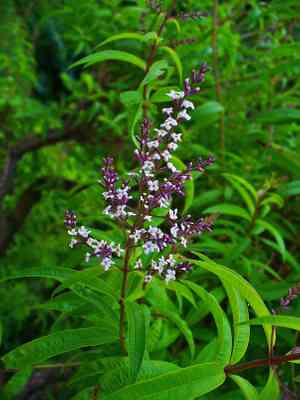
1
Lemon verbena is susceptible to frost damage and needs to be brought inside prior to the initial frost.
2
Position your Lemon verbena in a well-lit area with diffused sunlight throughout the colder months.
3
Keep the soil moderately moist and refrain from excessive watering while overwintering.
Why is Lemon verbena Susceptible to Frost?
Why is Lemon verbena Susceptible to Frost?
Lemon verbena is an herbaceous plant prized for its lemon-scented foliage, frequently used in culinary applications and herbal infusions. However, its tropical origins mean it is vulnerable to frost and cannot endure freezing temperatures. Hailing from South America, specifically Argentina and Chile, Lemon verbena flourishes in warm climates. In areas where temperatures drop significantly below 0°C (32°F), the plant risks damage or demise if left outdoors unprotected. Grasping this fundamental vulnerability is vital for successfully overwintering your Lemon verbena plant.
Steps for Overwintering Lemon verbena
Trimming the Plant
Initiate the overwintering process by trimming your Lemon verbena. Utilize clean, sharp pruning shears to cut back the plant by approximately one-third. This action helps decrease the plant's need for water and nutrients during the winter months when its growth naturally slows. Furthermore, removing any dead or diseased leaves can aid in preventing the spread of illness.
Relocating Indoors
Once trimmed, it's time to bring your plant inside. Select a day with mild weather to facilitate the transition for your Lemon verbena. Carefully dig up the plant if it is in the ground, ensuring to keep as much of the root ball intact as possible. If your plant is in a pot, simply move it indoors without disturbing the roots.
Selecting the Optimal Location
Placement is critical for indoor overwintering. Find a well-lit spot with indirect sunlight, such as a south-facing window. While Lemon verbena enjoys ample light, direct sunlight through windows can sometimes be too intense, so filtered light is ideal.
Watering and Humidity Needs
During the colder months, Lemon verbena requires less water than during its active growth period. Water the plant moderately, ensuring the soil remains slightly damp but never saturated. Overwatering can lead to root rot, a common issue during overwintering. Additionally, indoor air can be dry, especially with heating systems operating. Consider using a humidifier or placing a tray with water near the plant to maintain adequate humidity levels.
Temperature Requirements
Maintain a consistent indoor temperature between 10-15°C (50-59°F). Lemon verbena does not need excessive warmth during its dormant period. Avoid positioning your plant near drafty windows, heating vents, or radiators, as abrupt temperature changes can stress the plant.



