How to Prune Lemon verbena?
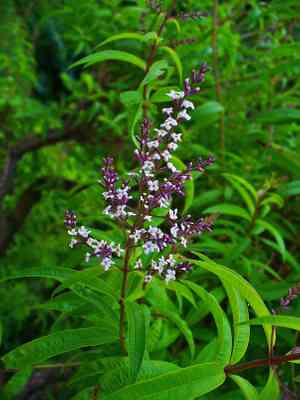
This enduring woody plant is prized for its aromatic, citrus-scented foliage. For lemon verbena, perform trimming in early spring or during winter to preserve its form and stimulate dense development. Eliminate any lifeless or frail branches and shorten them to a robust cluster of leaves to foster energetic new sprouts. Strategic cutting can improve air movement and deter ailments. Inspect for desiccated wood throughout the entire year, excising it when necessary for the plant's well-being and visual appeal.
What Are the Benefits of Pruning Lemon Verbena?
What Are the Benefits of Pruning Lemon Verbena?
Trimming lemon verbena promotes a burst of fresh, aromatic leaves and can boost flowering. It also aids in preventing pest and disease problems by eliminating potentially infected or infested material, sustaining lemon verbena's vigor.
What Is the Best Time for Pruning Lemon Verbena?
What Is the Best Time for Pruning Lemon Verbena?
Trimming lemon verbena in early spring coincides with the start of its active growth phase. This timing allows gardeners to sculpt the plant and stimulate strong new growth after the last frost, ensuring warm-season vitality. Winter pruning is also advantageous as lemon verbena enters dormancy and energy is stored in the roots. By removing dead or excess growth during this period, gardeners prevent resource waste on unproductive plant parts and minimize stress on lemon verbena, preparing it for vigorous spring growth.
What Tools Do I Need to Prune Lemon Verbena?
Hand Pruners
Perfect for severing stems and branches of lemon verbena up to 1/2 inch thick, ensuring neat and precise cuts without harming the plant.
Pruning Shears
Useful for shaping lemon verbena and removing dead or superfluous foliage. These shears facilitate access into dense growth for selective trimming.
Gloves
Protection for the gardener's hands from sharp edges and natural skin irritants that may be present while trimming lemon verbena.
Garden Scissors
For detailed refinement and precision work on lemon verbena, especially for snipping small, delicate stems or leaves accurately.
Loppers
Suitable for reaching into the core of lemon verbena or for cutting thicker branches that hand pruners cannot manage.
Pruning Saw
Essential for any larger branches over 1.5 inches in diameter that might need removal from lemon verbena, to encourage healthy growth and air circulation.
How to Prune Lemon Verbena
Diseased And Dead Material Removal
Eliminate any diseased leaves, withered leaves, dead branches, and diseased branches from lemon verbena using clean, sharp pruning shears. Sanitize the shears before and after to prevent disease spread.
Thinning
Thin out lemon verbena by cutting excessive growth branches at their origin point to enhance air circulation and light penetration. Perform selective trimming to maintain the plant's form and encourage healthy growth.
Deadheading
Deadhead lemon verbena by removing spent flowers to promote further blooming and to prevent the plant from allocating energy to seed production.
Shape Maintenance
Shape lemon verbena by trimming branches that are out of place or excessively long. Cut back to a leaf node or a lateral branch that points in the desired direction for new growth.
Growth Control
Manage the size of lemon verbena by trimming back the top and sides of the plant. This fosters a denser, bushier growth habit and keeps the plant within its intended boundaries.
Common Pruning Mistakes with Lemon Verbena
Over-Pruning
Removing too much foliage at once can weaken lemon verbena, limiting its ability to photosynthesize and potentially leading to stress or stunted growth.
Improper Cuts
Making cuts that are either too close to the bud or too far can result in ineffective pruning or damage to lemon verbena. Proper cuts should be close enough to the bud without damaging it.
Using Dull Tools
Pruning with dull blades can cause unnecessary injury to lemon verbena, leading to jagged cuts that heal poorly and are more susceptible to disease.
Pruning Healthy Growth
Indiscriminate removal of healthy growth can reduce the plant's vigor and affect its overall shape and productivity.
Neglecting Hygiene
Failing to sanitize pruning tools before use on lemon verbena can spread diseases between plants.
Ignoring The Natural Shape
Pruning without considering the natural form of lemon verbena may result in a less aesthetically pleasing shape and can hinder its growth.
Common Pruning Tips for Lemon Verbena
Selective Pruning
Target only the areas of lemon verbena that need shaping or have dead, damaged, or diseased foliage to maintain plant health and encourage new growth.
45-Degree Cuts
Make cuts at a 45-degree angle about 1/4 inch above a leaf node to encourage proper healing and growth direction.
Clean Tools
Always use sharp and clean pruning shears to ensure clean cuts that heal quickly, lowering the risk of disease.
Thinning For Airflow
Thin out dense growth in the center of lemon verbena to promote better air circulation, reducing the risk of fungal infections.
Step Back And Plan
Evaluate lemon verbena from different angles and plan the pruning process before making any cuts to ensure a balanced shape and size.
Cut To Healthy Wood
When removing dead or diseased branches, cut back to healthy wood to prevent further infection and encourage robust growth.



