How Much Sunlight Do Palmer's century plant Need?
1
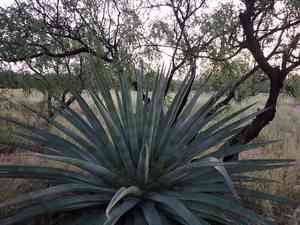
Palmer's century plant flourishes optimally with ample sunlight, generally requiring over six hours of direct sun each day.
2
Although it tolerates some shade, excessive lack of light can diminish its vibrant leaves and development.
3
Indoor Palmer's century plants frequently need additional illumination to satisfy their light requirements.
Optimal Sunlight for Palmer's Century Plant
Full Sun Exposure
The Palmer's century plant thrives best with full sun exposure. This desert-native species prefers environments where it can receive direct sunlight for most of the day. An ideal garden spot provides direct, unfiltered sunlight for at least six hours. This light level promotes strong growth, healthy foliage, and vibrant colors. Full sun also enhances the plant's resistance to environmental stresses.
Partial Sunlight
While full sun is preferred, the Palmer's century plant can endure partial sunlight. If your region's full sun is too intense, a location with partial sunlight can work. Aim for morning sun with some afternoon shade to shield the plant during the day's hottest period. Though not ideal, partial sunlight can still support healthy growth, though you might observe slightly reduced vigor and color intensity.
Daily Sunlight Requirements for Palmer's Century Plant
Ideal Daily Sunlight Hours
For peak growth, the Palmer's century plant needs at least 6 to 8 hours of direct sunlight daily. This amount of light provides sufficient energy for photosynthesis, which is vital for its development and health. If your plant receives less than six hours of sun, you may notice slower growth and a less vigorous appearance.
Seasonal Sunlight Variations
Sunlight intensity and duration fluctuate considerably with the seasons. Summer days are longer, offering ample sunlight for the Palmer's century plant. However, shorter winter days can present a challenge. For outdoor plants, ensure maximum sunlight exposure during shorter days. Indoor plants may require relocation to maximize light or supplementation with artificial lighting.
Shade Tolerance of Palmer's Century Plant
Effects of Shade on Growth
Shade can significantly impact the growth of the Palmer's century plant. Extended shade exposure limits the plant's photosynthetic efficiency, leading to slower growth and diminished overall health. Leaves might become elongated or 'leggy' as the plant stretches for light, and you may observe a paler, less vibrant leaf color.
Adapting to Shady Conditions
If your Palmer's century plant is in a shaded area, strategies exist to aid its adaptation. Gradually move the plant to a sunnier spot to prevent shock, ensuring each new location has progressively more sunlight. If relocation isn't feasible, consider pruning nearby foliage or obstructions blocking sun access. Using reflective surfaces to redirect light to the plant can also be a practical solution.
Indoor Sunlight Needs for Palmer's Century Plant
Choosing the Right Window
Indoor Palmer's century plants can flourish when positioned near an appropriate window. A south-facing window is often best, providing the most consistent and intense sunlight throughout the day. If unavailable, east or west-facing windows can suffice, offering strong morning or afternoon light, respectively. Rotate the plant regularly to ensure even light distribution and prevent uneven growth.
Supplementary Lighting Tools
Without adequate natural light, you might need supplemental lighting to maintain the health of your indoor Palmer's century plant. Grow lights are an excellent option for delivering the necessary light spectrum these plants require. Position grow lights approximately 6 inches (15 centimeters) above the plant and keep them on for about 12 to 16 hours daily to mimic natural sunlight. This supplementation can greatly contribute to robust indoor plant health.
Protecting Palmer's Century Plant from Excessive Sunlight
Signs of Sunburn
Despite its sun-loving nature, too much direct sunlight can cause sunburn on the Palmer's century plant. Symptoms of sunburn include brown or white patches on the leaves and a generally scorched appearance. If these signs appear, prompt action is crucial to prevent further damage.
Preventive Measures
To prevent sunburn, ensure your plant receives adequate water, as proper hydration helps it manage intense sunlight. You can also use shade cloths to offer temporary relief during peak sun hours. Gradually acclimate new plants to full sun by initially placing them in partial shade and slowly increasing their sun exposure over several weeks. This method helps them build resilience and avoid sunburn.



