How to Prune Palmer's century plant?
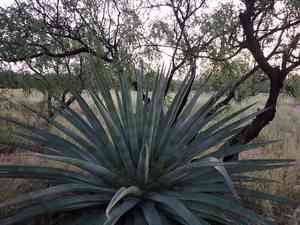
A resilient succulent, palmer's century plant flourishes with infrequent trimming. Detach withered or compromised foliage from the base in early spring or late winter to preserve its well-being and appearance. Excising faded flower stalks after blooming can deter self-propagation if preferred. While not frequently required, pruning can enhance the plant's contour and vitality, though excessive cutting should be avoided to retain its inherent structure.
What Are the Benefits of Pruning Palmer's Century Plant?
What Are the Benefits of Pruning Palmer's Century Plant?
Trimming palmer's century plant promotes robust development by eliminating deceased or overgrown sections, enhancing air circulation and light penetration. Regular trimming helps preserve palmer's century plant's desired form, fostering a more vigorous and visually appealing specimen.
What Is the Best Time for Pruning Palmer's Century Plant?
What Is the Best Time for Pruning Palmer's Century Plant?
Late winter and early spring are considered optimal periods for pruning palmer's century plant due to various factors related to its growth cycle and seasonal considerations. During late winter, palmer's century plant is typically dormant, especially in areas experiencing cooler temperatures. This dormant phase is ideal for pruning as the absence of active growth means the plant is less vulnerable to stress and harm from trimming. Pruning before the spring growth surge allows the plant to recover and channel its energy into new, healthy growth upon breaking dormancy. Furthermore, removing old or damaged foliage at this time helps deter diseases and pests. Care should be taken not to prune during the flowering period, as palmer's century plant is a monocarpic species that perishes after blooming; thus, timing should be adjusted to avoid disrupting this crucial stage of the plant's life cycle.
What Tools Do I Need to Prune Palmer's Century Plant?
Long-Handled Loppers
Given the size and toughness of palmer's century plant's leaves, long-handled loppers offer the necessary leverage for clean cuts without getting too close to the plant's sharp edges.
Pruning Saw
For older, more woody parts of palmer's century plant that might be too thick for loppers, a pruning saw can efficiently cut through the dense material.
Sharp Gardening Shears
To precisely trim off any dead or unwanted smaller leaves, sharp gardening shears are indispensable.
Thick Gloves
Palmer's century plant possesses sharp spines that can cause injury. Thick, protective gloves are essential to prevent cuts while handling the plant.
Eye Protection
To safeguard eyes from potential spikes or debris while pruning palmer's century plant, wearing protective eyewear is crucial.
How to Prune Palmer's Century Plant
Sterilize
Sanitize your pruning tools before starting to prevent the spread of disease to palmer's century plant. Use a solution of one part bleach to nine parts water to sterilize the blades of your pruning shears or knife.
Identify
Locate the diseased and withered leaves on palmer's century plant. Look for foliage with discoloration, spots, or dry, brittle edges, which indicate that the leaves are no longer healthy or are dying.
Snip
Cut off diseased and withered leaves at their base, where they emerge from the main stem of palmer's century plant. Use sharp, sterilized pruning shears and make a clean cut to avoid damaging healthy tissue.
Dispose
Properly discard the removed leaves. Do not compost them as they could harbor pathogens. Seal them in a plastic bag and place them in the trash to minimize the risk of spreading any diseases.
Clean
Clean and re-sterilize your pruning tools after completion. This helps maintain the tools in good condition and prevents the transfer of any potential pathogens to other plants or future cuts on palmer's century plant.
Common Pruning Mistakes with Palmer's Century Plant
Over pruning
Trimming palmer's century plant too severely can stress the plant, hindering its ability to thrive. Palmer's century plant stores water in its leaves, so excessive pruning can deplete its vital reserves.
Cutting live sections
Removing live, healthy leaves of palmer's century plant instead of just the dead or damaged parts can impede the plant's growth. The leaves should remain intact as they contribute to photosynthesis and energy storage.
Dirty tools
Using unclean or contaminated tools can introduce diseases to palmer's century plant during pruning. Sterilizing tools before use is vital to prevent the spread of pathogens.
Improper cut
Incorrect cutting technique can harm palmer's century plant's leaves and create entry points for disease. Make clean, angled cuts that minimize damage to the healthy parts of the plant.
Ignoring protection
Neglecting to wear protective gloves and clothing when pruning palmer's century plant can result in skin irritation or injury from the plant's sharp edges and tips.
Common Pruning Tips for Palmer's Century Plant
Dead or damaged
Focus on removing only dead or damaged leaves to maintain the health of palmer's century plant. This helps conserve the plant's energy for growth and blooming.
Sterilize tools
Always use clean, sharp tools that have been sterilized to prune palmer's century plant. This prevents the transmission of diseases and ensures clean cuts that heal more quickly.
Careful cutting
Ensure cuts on palmer's century plant are clean and at an angle to avoid damaging living tissue and to promote faster healing.
Protect self
Wear thick gloves and long sleeves to protect against the sharp edges of palmer's century plant during pruning, ensuring your safety and comfort.
Plant shape
Maintain the natural shape of palmer's century plant when pruning. Over-shaping or excessive trimming can impair the plant's growth and appearance.



