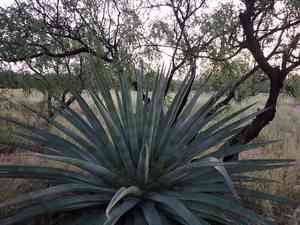
Palmer's century plant (Agave palmeri)
Also known as: Palmer's Century Plant
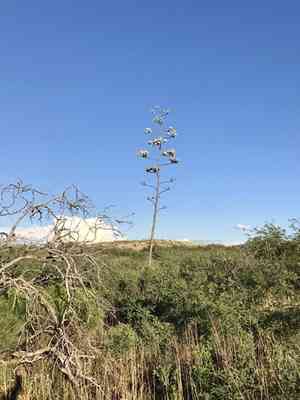
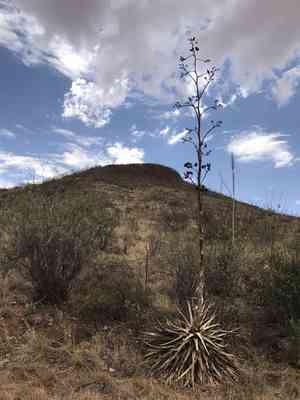
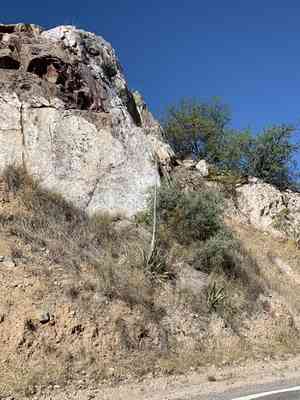
Palmer's century plant (Agave palmeri) is a perennial succulent indigenous to the arid regions of Arizona and New Mexico. It features a striking flower stalk that can grow up to 20 feet (about 6 meters) tall. The plant typically takes between 5 and 25 years to flower, and it dies after this single blooming event. Its late-summer blossoms are yellow and attract pollinators like hummingbirds, butterflies, bees, and bats.
In This Article
Attributes of Palmer's century plant
Lifespan
Perennial
Plant Type
Herb
Plant Height
1.2 m
Spread
1.2 m
Leaf Color
Green Blue
Flower Size
12 cm
Flower Color
Yellow Green Red
Images of Palmer's century plant
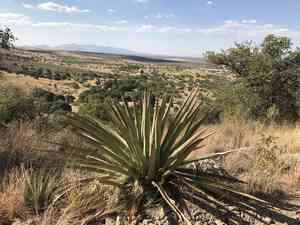
Quickly Identify Palmer's century plant
1
Identifying Agave palmeri involves looking for rosettes of thick, fleshy, blue-green leaves with sharp terminal spines and toothed margins. The flowering stalk can reach up to 6 meters in height and produces yellow to greenish flowers.
Scientific Classification of Palmer's century plant
Phylum
Vascular plants
Class
Monocotyledons
Order
Asparagales
Family
Asparagus
Genus
Agaves
Species
Palmer's century plant
Planting and Growing of Palmer's century plant
Care Difficulty
Easy
Watering Schedule
Every 2 days
Sunlight Requirements
Full sun
Sunshine Duration
6-10 hours
Ideal Temperature
70-90℉
Soil Type
Potting Mix, Peat Mix
Soil pH
6.5-7.5
Fertilizer Type
Balanced
Pruning Season
Spring, Summer
Pruning Area
Branches, Leaves
Pruning Frequency
2 times a year
Repotting Season
Spring
Pot Type
Plastic, Ceramic
 How to Water Palmer's century plant?
Agave palmeri, like many succulents, needs its soil to dry out completely between waterings. The principle is to water thoroughly until water drains from the bottom and then allow the soil to dry out before watering again. This ensures the roots receive enough moisture without risking rot.
What are the symptoms of an underwatered Palmer's century plant?
›
What should I do if my Palmer's century plant is not getting enough water?
›
What are the symptoms of an overwatered Palmer's century plant?
›
How to save an overwatered Palmer's century plant?
›
 What Are the Sunlight Requirements for Palmer's century plant?
Agave palmeri thrives in full sun exposure. This lighting condition ensures vibrant aesthetics and maintains plant vigor by optimizing photosynthesis and transpiration processes.
More About Sunlight Requirements Techniques→
What is the ideal sunlight exposure for Agave palmeri?
›
How can I achieve ideal lighting conditions for this plant?
›
What benefits does Agave palmeri receive from ideal lighting?
›
 What Is the Ideal Temperature Range for Palmer's century plant?
The ideal temperature range for Agave palmeri is typically between 70°F and 90°F. This range supports healthy growth and photosynthesis, promoting robust and succulent leaves. Maintaining these temperatures helps mimic the plant's natural environment, ensuring optimal development and minimizing stress.
 What Soil is Best for Palmer's century plant?
Agave palmeri thrives in well-drained soil, which helps prevent root rot caused by excess moisture. This type of soil mimics the plant's natural arid environment. While relatively low-maintenance, Agave palmeri benefits from soils rich in organic matter, providing essential nutrients for growth and enhancing its resilience to environmental stressors. Soil with moderate water retention keeps enough moisture for Agave palmeri without making it susceptible to waterlogging. It balances hydration with aeration, ensuring healthy growth.
 How to Fertilize Palmer's century plant?
When fertilizing Agave palmeri, it is important to use a balanced fertilizer. During the growing season in spring and summer, a half-strength liquid fertilizer solution is typically sufficient. Avoid over-fertilizing, as this can harm the plant.
 How to Prune Palmer's century plant?
Before starting, gather sharp gardening shears, thick gloves, and protective eyewear. Ensure your tools are sterilized to prevent the spread of disease. Carefully inspect the plant to identify any dead leaves, flower stalks, or pests that need addressing. Begin by cutting away any dried, brown, or yellowing leaves near the base using sharp shears. For flower stalks, cut them close to the main plant when they finish blooming. Remember to maintain the plant's natural rosette shape and avoid over-pruning.
More About Pruning Techniques→
 How to Propagate Palmer's century plant plant?
1
Collect seeds from mature Agave palmeri plants after the flowering season. Ensure seeds are clean and dry before planting. Softer seeds may be scarified to aid germination.
2
Carefully dig around the plant base and lift the root ball. Gently separate offsets from the parent plant, ensuring each offset has roots attached, then replant immediately for optimal establishment.
3
Take cuttings from the plant using a clean, sharp knife. Allow cut ends to callous over for a day or two before planting in well-draining soil to prevent rot and promote rooting.
 How to Repot Palmer's century plant plant?
1
A good time to repot Agave palmeri is when you notice the roots are outgrowing the pot or emerging from the drainage holes. Additionally, if the soil becomes depleted of nutrients or fails to drain properly, it's time for a change.
2
Select a pot that is slightly larger than the current one. It should have ample drainage holes to prevent waterlogging. Terracotta pots are excellent because they allow better air circulation and prevent root rot, which is crucial for a healthy Agave.
3
Opt for a well-draining cactus or succulent mix, ideally with added sand or perlite to ensure proper drainage. This type of soil mimics the natural habitat of Agave palmeri and helps prevent water retention, promoting root health.
Toxicity
Ingestion, Contact
WARNING
The judgment on toxicity and danger is for reference only. We DO NOT GUARANTEE any accuracy of such judgment. Therefore, you SHALL NOT rely on such judgment. It is IMPORTANT TO SEEK PROFESSIONAL ADVICE in advance when necessary.
Learn More About Palmer's century plant Diseases
Anthracnose
Bacterial Leaf Spot
Bacterial Soft Rot
Chemical Injury
Crown Gall
Cyst Nematode
Damping-off
Drought Stress
Fusarium Wilt
Gray Mold
Leaf Spot
Mosaic
Nutrient Deficiency
Nutrient Toxicity
Powdery Mildew
Root Rot
Root-knot Nematode
Rusts
Sooty Mold
Spider Mites
Temperature Stress
Thrips Damage
White Mold



