The Palmer's century plant Plant Advantage: Maximizing Home and Office Appeal and Wellness
1
Palmer's century plant excels in tough environments, making it ideal for arid-friendly gardens.
2
The liquid from Palmer's century plant serves as a natural sweetening agent, providing a sugar substitute.
3
Palmer's century plant's robust, fibrous leaves have been historically employed in crafts like rope and fabric making.
How Can Palmer's century plant Enhance Your Garden?
Drought Resistance
A key attribute of Palmer's century plant is its remarkable ability to withstand dry conditions. This robust plant originates from arid regions, having evolved to thrive in harsh environments with limited water. For gardeners and landscapers aiming for sustainable, low-maintenance gardens, Palmer's century plant is an excellent choice. Its capacity to flourish in tough settings means less frequent watering, leading to significant water savings over time. Moreover, Palmer's century plant can endure poor soil, making it a versatile addition to challenging garden spaces.
Aesthetic Appeal
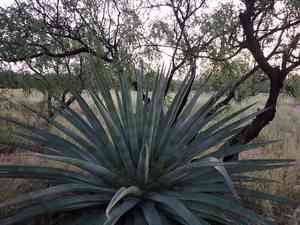
Beyond its practical advantages, Palmer's century plant also offers considerable visual charm. With its striking rosette of thick, pointed leaves and towering flower spikes, Palmer's century plant can serve as a prominent focal point in any garden. The plant's distinctive look adds texture and visual interest, improving the overall design of your outdoor area. Whether used alone or alongside other drought-tolerant plants, Palmer's century plant can elevate your garden's beauty with minimal upkeep.
What Are the Culinary Uses of Palmer's century plant?
Natural Sweetener
One of the less commonly known but intriguing applications of Palmer's century plant is its use as a natural sweetening agent. The sap, often called agave nectar or syrup, is extracted from the plant and processed into a sugary liquid. This natural sweetener has gained popularity as an alternative to conventional sugars, especially among those seeking healthier dietary options. Agave nectar possesses a lower glycemic index than regular sugar, meaning it causes a slower increase in blood glucose levels, making it a preferred choice for individuals monitoring their sugar intake.
Flavor Enhancer
In addition to its role as a sweetener, Palmer's century plant sap can also function as a flavor booster in various cooking applications. Its mild, honey-like taste makes it a versatile component in both sweet and savory dishes. From drizzling over pancakes and waffles to adding a hint of sweetness to marinades and salad dressings, agave nectar provides a unique and delicious way to enhance the taste profile of your meals. Its natural origin and pleasant flavor make it a favored option among home cooks and professional chefs alike.
How Is Palmer's century plant Utilized in Traditional Crafts?
Rope and Textile Production
The fibrous leaves of Palmer's century plant have historically been employed in the creation of ropes and fabrics. Indigenous communities have long recognized the strength and resilience of these fibers, incorporating them into various traditional crafts. The extracted fibers, known as sisal or henequen, are processed to produce robust ropes, mats, and textiles. These materials have proven to be durable and long-lasting, making them valuable resources for both practical and decorative purposes.
Sustainable Crafting
Palmer's century plant fibers are not only strong but also environmentally friendly, providing an eco-conscious alternative to synthetic materials. The cultivation and harvesting of these fibers have a relatively low ecological footprint, as the plant requires minimal water and no chemical fertilizers or pesticides. By supporting traditional crafts that use Palmer's century plant fibers, individuals can promote sustainable practices and help preserve cultural heritage. From handcrafted baskets to woven textiles, the use of Palmer's century plant in crafting highlights the plant's versatility and contribution to a greener, more sustainable world.
What are the Medicinal Applications of Palmer's century plant?
Healing Properties
Throughout history, Palmer's century plant has been valued for its potential therapeutic qualities. Indigenous cultures have used various parts of the plant for traditional remedies. The sap and leaves of Palmer's century plant have been employed in natural treatments. These traditional practices, passed down through generations, underscore the plant's historical importance in herbal medicine.
Modern Uses
While contemporary science continues to investigate and confirm the plant's medicinal potential, many communities still rely on traditional knowledge of Palmer's century plant. The plant's diverse applications include topical salves and soothing balms. Embracing the historical and current uses of Palmer's century plant can offer insight into the plantâs multifaceted role in natural healing.



