Boost Growth: How and When to Repot Your Palmer's century plant Plant
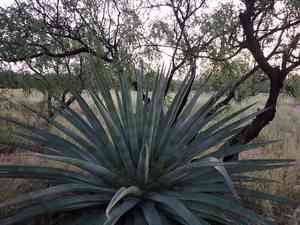
1
The best times to transplant Palmer's century plant are during Spring and Winter.
2
Select a container that is about 2-3 cm (1 inch) wider than its present pot.
3
Palmer's century plant flourishes in a soil mixture that drains effectively, like a cactus or succulent mix.
Why Replant a Palmer's century plant?
Indicators it's time for a new pot
A primary sign your Palmer's century plant requires replanting is when roots emerge from drainage holes. Additionally, if the plant appears top-heavy or roots encircle the container's surface, a replanting session is necessary. Slow growth or yellowing leaves also suggest potential root constriction or nutrient deficiency.
Advantages of replanting
Replanting your Palmer's century plant offers several advantages. It provides roots with expanded room for growth, fostering a healthier, more robust specimen. Fresh potting mix can replenish vital nutrients, encouraging vigorous development. Furthermore, a larger container improves water drainage, mitigating the risk of root rot, a common issue for succulents.
Selecting the Appropriate Container and Substrate for Palmer's century plant
Choosing the correct pot size
When selecting a container for your Palmer's century plant, opt for one slightly larger than its current potâapproximately 2-3 cm (1 inch) wider in diameter. This allows root expansion without overwhelming the plant with excessive new soil, which can retain too much moisture and harm it.
Optimal soil blend for vigorous growth
Palmer's century plant thrives in well-draining substrate. A cactus or succulent potting mix is highly recommended. Combining standard potting soil with sand or perlite in a 2:1 ratio can also create an ideal growing medium. This ensures efficient water drainage and prevents root rot.
Procedure for Replanting Your Palmer's century plant
Preparing your plant and implements
Begin by gathering all necessary implements: a new container, appropriate soil mix, protective gloves, a small shovel, and shears. Thoroughly water your Palmer's century plant the day before replanting to facilitate its removal. Prepare a work area to prevent mess, ideally outdoors or on a protected surface.
Safely extracting the plant from its current container
Carefully invert the pot while supporting the plant with your hand. Gently tap the base of the container to dislodge the root ball. If the plant doesnât slide out easily, use a small shovel to loosen the soil around the edges. Exercise caution to avoid damaging the roots during this process.
Transferring into the new container
Place a layer of soil at the bottom of the new pot. Position the Palmer's century plant centrally and fill the surrounding area with your soil mix. Gently compress the soil around the roots to eliminate air pockets. Ensure the plant is situated at the same depth as it was in the previous container.
Post-replanting care and maintaining plant vitality
After replanting, refrain from watering the Palmer's century plant for a few days to allow the roots to settle. Once watering resumes, irrigate sparingly, permitting the soil to dry out between waterings. Place the plant in a location with ample light but shielded from direct, intense sunlight to prevent scorching.
Ideal Period to Replant Palmer's century plant
Understanding seasonal influences on replanting
Palmer's century plant is best replanted during Spring or Winter. These seasons support root recovery and adaptation, making it easier for the plant to adjust to its new container. Avoid replanting in peak Summer when high temperatures can stress the plant, or in Fall when the growth phase decelerates.



