How to Propagate Palmer's century plant?
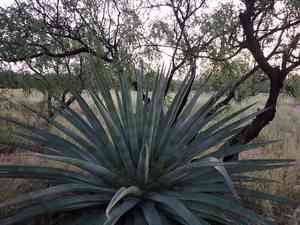
Palmer's century plant flourishes when multiplied via separation, a convenient technique for cultivators. For propagation, carefully detach offsets from the primary specimen, making sure each possesses some root structure. This approach enables palmer's century plant to become established and develop more quickly, replicating its inherent dispersal process.
Optimal Time for Palmer's Century Plant Propagation
Propagation Method
Division
Propagation Period
Spring,Autumn
Essential Tools for Palmer's Century Plant Propagation
Sharp knife or pruning shears
These implements are vital for making clean cuts through the root mass and offsets of palmer's century plant. A keen edge ensures precise incisions, minimizing harm to plant tissues, which is key for preventing infections and promoting quicker recovery and root formation after division.
Spade or garden fork
Utilized for digging around palmer's century plant to carefully extract the plant without causing undue stress or damage to its root system. A spade or fork with a sharp edge is advantageous for cleanly lifting the plant from the soil, especially for large, mature specimens.
Gardening gloves
Protective handwear is important when handling palmer's century plant due to its potentially sharp edges and tips. Gloves also offer improved grip and shield hands from soil-borne pathogens during the propagation process.
Rooting hormone (optional)
While not mandatory, applying a rooting hormone can boost root development in the newly separated sections of palmer's century plant. This can be particularly beneficial for ensuring the viability and rapid establishment of each division.
Watering can with a gentle shower head
After replanting the divisions, gentle and uniform watering is crucial for helping palmer's century plant establish. A watering can with a soft shower head ensures water is distributed delicately over the soil, preventing disturbance to the newly planted divisions.
How to Propagate Palmer's Century Plant?
Propagation Type
Easy
Post-Propagation Care for Your Palmer's Century Plant
Post-Propagation Care for Your Palmer's Century Plant
After propagation, keep the newly planted palmer's century plant in indirect sunlight and manage water carefully, as excessive watering can lead to root rot. During its initial growing season, reduce stress by maintaining a consistent temperature and avoiding fertilizer. Once the palmer's century plant is established and shows new growth, it can be gradually accustomed to more direct sunlight if desired. Regularly inspect for pests and diseases, particularly during warm, humid periods.
Common Errors to Avoid When Propagating Palmer's Century Plant
Overwatering during propagation
Excessive moisture can result in root rot, especially since palmer's century plant is adapted to arid conditions. This error can hinder root development or cause the new plants to perish.
Using non-sterile propagation tools
Propagation tools that have not been sanitized can introduce pathogens to the cuttings or offsets of palmer's century plant, potentially leading to infections that can impede growth or cause decay.
Deep planting of offsets
Planting offsets of palmer's century plant too deeply can prevent them from receiving adequate light and air, which are vital for initiating root growth, leading to poor establishment or growth failure.
Advice for Propagating Palmer's Century Plant
Use well-draining soil
A loose, gritty soil promotes proper drainage and prevents moisture from accumulating around the roots of palmer's century plant, reducing the risk of root rot.
Allow cut end of offsets to callous
After detaching an offset from the mother plant, permit the cut end to dry and form a callous before planting. This helps protect the cut surface from infections and facilitates healthier root growth.
Maintain minimal watering
Water palmer's century plant sparingly, ensuring the soil is mostly dry between waterings to mimic the natural arid conditions the plant thrives in. Overwatering can negatively impact root development.



