How Much Sunlight Do Red hot cat's tail Need?
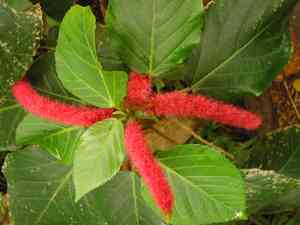
1
Acalypha hispida thrives in full sun but can endure partial sunlight when required.
2
Provide a minimum of 6 hours of direct solar exposure each day for best development.
3
Shield Acalypha hispida from sun damage by slowly acclimating it to brighter light environments.
Deciphering Light Requirements for Red hot cat's tail
Optimal Sunlight Exposure Defined
Red hot cat's tail flourishes best with full sun exposure, meaning it needs at least 6 hours of direct sunlight daily. Sufficient light is crucial for producing vibrant blooms and maintaining the plant's overall vitality. For outdoor cultivation, ensure it receives ample sunlight, particularly in the morning and early afternoon.
Impact of Direct vs. Indirect Light on Red hot cat's tail
While essential, direct sunlight can be supplemented with some indirect light for Red hot cat's tail. However, extended periods of only indirect light may result in less vivid flowers and slower development. Achieving a balance is key, especially for indoor plants; position it near a bright window to ensure adequate illumination.
Prime Placement for Cultivating Red hot cat's tail
Optimal Outdoor Placement
When planting Red hot cat's tail outdoors, select a site that guarantees full sun exposure. Ideal locations include garden beds facing south or west, where sunlight is plentiful throughout the day. Steer clear of overly shaded areas, which can impede growth and flowering.
Ideal Indoor Environments
Indoors, Red hot cat's tail should be situated near a south or west-facing window to maximize light. If natural light is inadequate, consider using supplemental grow lights. Periodically adjust its position to ensure even growth and comprehensive light reception from all angles.
Seasonal Lighting Requirements for Red hot cat's tail
Spring and Summer Protocols
During spring and summer, Red hot cat's tail thrives in long, sunny days. Aim for 6 to 8 hours of direct sunlight daily. If the plant shows signs of stress from excessive heat, particularly during peak summer, offer some afternoon shade to prevent leaf scorching.
Fall and Winter Protocols
As fall and winter bring reduced sunlight intensity, it's vital that Red hot cat's tail continues to receive sufficient light to remain healthy. If kept indoors, reposition the plant closer to windows and clean the glass regularly to enhance light transmission. Outdoors, consider relocating it to a sunnier spot or utilizing reflective materials to boost light exposure.
Typical Sunlight-Related Problems for Red hot cat's tail
Indicators of Sunburn or Light Stress
Signs of sunburn or light stress in Red hot cat's tail often include yellowing or browning leaves, scorched leaf margins, or wilting during the brightest parts of the day. Observing these symptoms necessitates adjusting the plant's light exposure by providing shade or moving it to a less intense light setting.
Methods for Correcting Light Levels
To help Red hot cat's tail adapt to changes in light, gradually increase its exposure to direct sunlight over several days or weeks. This method prevents shock and allows the plant to adjust. For insufficient light, progressively move the plant to brighter areas or introduce artificial lighting to simulate natural sun.



