Enhancing Your Garden Design with the Red hot cat's tail Plant: A Landscaping Guide
1
Incorporating Red hot cat's tail into your garden design can establish a prominent visual anchor.
2
Red hot cat's tail flourishes in temperate regions and imparts a tropical ambiance.
3
Consistent upkeep ensures Red hot cat's tail maintains its lively appearance throughout the year.
Introducing Acalypha hispida in Garden Design
The distinctive visual charm of Acalypha hispida
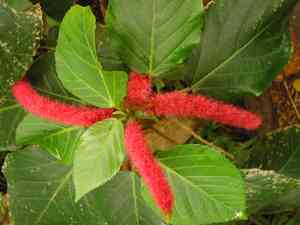
A key enchanting feature of Acalypha hispida is its unique visual allure. The plant showcases bright, fluffy inflorescences that resemble a vivid cat's tail, making it visually captivating. This aesthetic appeal can serve as a striking focal point in any garden, drawing attention and admiration from all observers. The vibrant color and texture of Acalypha hispida's leaves also enhance the beauty of garden layouts, adding vibrancy and visual interest.
Concise overview of Acalypha hispida in various garden styles
Acalypha hispida can be a versatile addition to a broad range of garden styles. Whether you're aiming for a tropical haven, a contemporary minimalist garden, or a classic floral display, Acalypha hispida's distinct look can elevate your design. Its adaptability allows it to integrate seamlessly with diverse plants and elements, making it an excellent choice for garden enthusiasts looking to explore different themes.
Integrating Acalypha hispida into Garden Themes
Tropical and exotic garden concepts
For those desiring to create a lush, tropical garden, Acalypha hispida is an ideal inclusion. Its exotic appearance, with brilliant red blooms and rich green foliage, mimics the plant life found in tropical environments. Pairing Acalypha hispida with other tropical plants, such as palms and ferns, can transform your garden into a rainforest retreat, offering a piece of paradise in your own yard.
Modern landscapes featuring Acalypha hispida
In modern landscapes, simplicity and clean lines are essential components. Acalypha hispida can complement these designs with its bold and structured foliage, providing a splash of color without overwhelming the area. Its distinctive shape can act as a living sculpture, offering both aesthetic appeal and a touch of nature in contemporary settings.
Traditional environments utilizing Acalypha hispida
Even in more traditional garden settings, where symmetrical flower beds and classic designs are prevalent, Acalypha hispida can introduce an element of surprise and beauty. It pairs well with roses, daisies, and other common traditional garden flowers, offering a colorful contrast that revitalizes the overall look without departing from the classic style.
Seasonal Considerations for Planting Acalypha hispida
Optimal time of year to plant Acalypha hispida
The best time to plant Acalypha hispida is during the warmer months when the soil is workable and the threat of frost has passed. Typically, late spring to early summer is the most suitable period. This allows the plant to establish itself in the favorable growing conditions of summer, ensuring vigorous growth and vibrant blooms.
Weather and climate factors impacting Acalypha hispida
Acalypha hispida thrives in warm, humid climates and requires well-draining soil to prevent root rot. If you reside in a region with cool winters, it's crucial to shield the plant from frost. In such climates, consider planting Acalypha hispida in containers that can be moved indoors during colder months, or use protective covers to guard it from harsh weather.
Combining Acalypha hispida with Other Elements
Suitable plants and flowers to combine with Acalypha hispida
When pairing Acalypha hispida with other plants, select species that flourish in similar conditions. Tropical plants like bird of paradise, hibiscus, and elephant ears complement Acalypha hispida's vibrant aesthetics. Additionally, incorporating foliage plants like hostas and ferns can create a textured backdrop that highlights Acalypha hispida's stunning blooms.
Decorative elements and hardscaping concepts
Integrating Acalypha hispida with hardscape features such as stone pathways, water features, or wooden trellises can enhance its visual appeal. The plant's vivid colors can contrast beautifully with natural stone or wood, creating a harmonious balance between the natural and constructed elements in your garden.
Maintaining the Aesthetic Appeal of Acalypha hispida
Easy upkeep tips for longevity
To keep Acalypha hispida looking its best, ensure it receives regular watering but avoid overwatering, as waterlogged soil can harm its roots. Prune the plant occasionally to remove any dead or diseased branches, encouraging healthy growth. Consistent feeding with a balanced fertilizer will also help maintain its vibrant blooms and lush foliage.
Seasonal grooming and care routines
In addition to routine maintenance, seasonal care practices are vital. During the active growing season, regularly check for pests and apply organic treatments if necessary. In cooler months, reduce watering and ensure the plant is protected from frost. By adjusting care routines with the seasons, you'll ensure Acalypha hispida remains a captivating feature in your landscape year-round.



