How to Prune Red hot cat's tail?
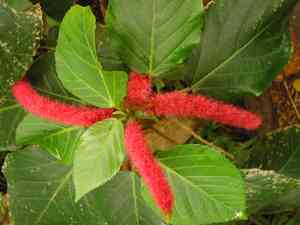
Distinguished by its vivid, plume-like blossoms, red hot cat's tail thrives with consistent shaping. Essential trimming methods involve severing directly above foliar junctions to foster a denser habit, and eliminating lifeless or frail stalks to boost development and air circulation. The ideal period for pruning extends from the beginning of spring until late autumn, coinciding with periods of vigorous expansion. Trimming red hot cat's tail enhances the plant's robustness and preserves a pleasing appearance. Refrain from extensive cutting during winter to avert plant strain.
What Are the Benefits of Pruning Red Hot Cat's Tail?
What Are the Benefits of Pruning Red Hot Cat's Tail?
Trimming red hot cat's tail promotes robust development and maintains its distinctive shape. It fosters denser foliage and an abundance of its unique, vibrant tails by eliminating old or overgrown stems.
What Is the Best Time for Pruning Red Hot Cat's Tail?
What Is the Best Time for Pruning Red Hot Cat's Tail?
Pruning red hot cat's tail in early spring is advantageous due to its rapid growth, encouraging a strong growth response. Removing dead or damaged branches helps channel the plant's energy into producing healthy new growth. Late spring and early summer pruning can be beneficial for shaping the plant and managing its size, especially since red hot cat's tail can become quite large if not controlled. Pruning during this period also minimizes the risk of pest infestations or disease, as open wounds on the plant can heal quickly during active growth phases. Late fall is another suitable time to trim red hot cat's tail after it has bloomed, allowing the plant to conserve energy and resources as it enters dormancy. However, it's wise to avoid heavy pruning late in the year, as new growth could be harmed by frost. By following these seasonal considerations and the plantâs growth cycle, gardeners can ensure the health and vitality of red hot cat's tail.
What Tools Do I Need to Prune Red Hot Cat's Tail?
Hand Pruners
For trimming and shaping red hot cat's tail, gardeners should utilize hand pruners or secateurs. They provide precision and are suitable for cutting smaller stems and branches, which is typical for red hot cat's tail's growth habit.
Pruning Saw
If thicker branches require removal, particularly in older red hot cat's tail specimens, a pruning saw is the preferred tool. It enables cutting through thicker wood without harming surrounding stems.
Lopping Shears
For medium-sized branches that are too thick for hand pruners but not thick enough for a saw, lopping shears can be employed. They offer greater leverage for cleaner cuts.
Gloves
When pruning red hot cat's tail, wearing gloves is advisable to safeguard skin from potential irritation and to ensure a firm grip on the tools.
Pruning Snips
For deadheading and snipping off spent flowers or small, delicate growth on red hot cat's tail, pruning snips are ideal. They allow for precise control and minimal damage to nearby foliage.
Cleaning Solution
It is crucial to keep all tools clean to prevent disease transmission. Use a cleaning solution to sanitize the tools before and after pruning red hot cat's tail.
How to Prune Red Hot Cat's Tail
Step1: Timing of Pruning
Determine the optimal time of year for pruning red hot cat's tail. The best period is late winter or early spring before new growth starts, or immediately after the main flowering season to encourage fresh growth and bloom production.
Step2: Sterilize Pruning Tools
Sanitize your pruning shears or scissors before beginning to prevent disease spread. Use rubbing alcohol or a household disinfectant to clean the blades.
Step3: Deadhead Spent Flowers
Begin by removing any faded flowers. Make cuts approximately 1/4 inch above a leaf node or a set of leaves, which will stimulate new growth and branching.
Step4: Remove Unhealthy Leaves
Next, remove any yellow or unhealthy leaves by cutting them at their base where they meet the stem. Ensure cuts are clean and precise to minimize damage to red hot cat's tail.
Step5: Prune Withered Branches
Trim withered branches back to just above a node where new growth can emerge. If the entire branch is dead, cut it back to the base, being careful not to harm the main stem.
Step6: Shape Plant and Encourage Growth
Shape red hot cat's tail by evenly trimming back overgrown branches to maintain a balanced appearance. Cuts should be made just above a leaf node to promote healthy regrowth.
Step7: Dispose of Pruning Debris
Discard pruned material, such as dead flowers, yellow leaves, and withered branches, to prevent any potential disease from spreading in your garden.
Step8: Water Plant Post-Pruning
Water the plant after pruning to aid recovery. Ensure the soil is moist but well-drained to avoid waterlogging, which could stress red hot cat's tail.
Step9: Monitor Plant Recovery and Growth
Observe red hot cat's tail for signs of new growth and health over the subsequent weeks, and provide care as needed, including sunlight exposure, adequate watering, and occasional fertilization depending on the growing conditions.
Post-Pruning Care for Red Hot Cat's Tail
Post-Pruning Care for Red Hot Cat's Tail
Immediately after pruning red hot cat's tail, water the plant thoroughly to lessen stress. Ensure red hot cat's tail is placed in bright, indirect light within a humid environment with temperatures between 60-75°F to aid recovery. Apply a balanced, water-soluble fertilizer to encourage new growth. Monitor red hot cat's tail for wilted or discolored leaves, which may signal stress or infection. If signs appear, adjust care and consult a plant health specialist if conditions persist.
Common Pruning Mistakes with Red Hot Cat's Tail
Not Inspecting for Disease/Pests Pre-Pruning
Ignoring Disease and Pest Inspection before Pruning: Failing to inspect red hot cat's tail for diseases or pests prior to pruning can lead to the accidental spread of issues, as infected sections require specific handling.
Excessive Foliage Removal Stress
Over Pruning: Removing too much foliage at once can stress red hot cat's tail, resulting in reduced flowering and potentially harming the plant's health.
Pruning with Non-Sterilized Tools
Pruning Without Sterilizing Tools: Using tools that havenât been cleaned and sterilized can introduce diseases to red hot cat's tail, contaminating the fresh cuts.
Common Pruning Tips for Red Hot Cat's Tail
Use Sharp, Sterilized Pruning Shears
Clean Cut Technique: Make sure to use sharp, clean pruning shears. Clean cuts heal faster and reduce the chance of disease affecting red hot cat's tail.
Selective Dead or Damaged Stem Removal
Selective Pruning: Aim to remove only dead or damaged stems and leaves. This will help red hot cat's tail maintain a healthy and attractive shape without exhaustive cutting.
Prune for Shape and Bloom Encouragement
Encouraging Blooms: When pruning, focus on shaping the plant and managing its size rather than cutting back extensively. This will encourage more flowering on red hot cat's tail.



