How to Propagate Red hot cat's tail?
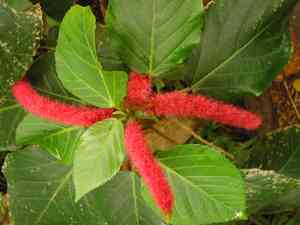
The most effective way to propagate Red hot cat's tail is by planting seeds in the spring to achieve the best development. This propagation process presents a moderate challenge, and the primary indicator of success is the emergence of new foliage. Ensure sufficient moisture levels are maintained for successful propagation.
When Is the Optimal Time to Propagate Red Hot Cat's Tail?
Propagation Type
Sowing
Propagation Season
Spring
What Tools Are Utilized in Red Hot Cat's Tail Propagation?
Seed trays or flats
Seed trays or flats offer a controlled setting for planting red hot cat's tail seeds. Their shallow depth is perfect for the small seeds, ensuring even distribution and proper moisture levels.
Sterile potting mix
A sterile potting mix guarantees that red hot cat's tail seeds are not exposed to disease-causing pathogens during their vulnerable germination phase. It also supplies essential nutrients and aeration for initial root growth.
Misting bottle
A misting bottle enables gentle watering that won't disturb red hot cat's tail seeds. The fine mist provides moisture without compacting the soil or washing it away, which is crucial for successful germination.
Plastic dome or cover
A plastic dome or cover creates a miniature greenhouse effect over the seed tray, maintaining high humidity and stable temperatures. These conditions are vital for promoting the germination of red hot cat's tail seeds and early seedling development.
Heat mat
A heat mat gently warms the soil in the seed tray, encouraging red hot cat's tail seeds to germinate by providing a consistent and ideal soil temperature. This is especially helpful if ambient temperatures are too cool for germination.
Grow lights
Grow lights ensure that young red hot cat's tail seedlings receive enough light for photosynthesis, particularly when natural light is insufficient. Proper lighting is crucial for preventing leggy growth and promoting strong, compact development.
How to Propagate Red Hot Cat's Tail?
Propagation Type
Sowing
Difficulty Level
Easy
How to Care for Your Newly Propagated Red Hot Cat's Tail?
How to Care for Your Newly Propagated Red Hot Cat's Tail?
After successful propagation, continue to provide red hot cat's tail with conditions that support healthy growth. This includes watering when the top inch of soil is dry, providing bright indirect light, maintaining a warm temperature range from 60°F to 85°F (15°C to 29°C), and applying a balanced, liquid fertilizer every 4-6 weeks during the growing season. Avoid overwatering, which can lead to root rot. Regularly prune the red hot cat's tail to encourage bushiness and remove any faded flowers or leaves to maintain its vibrant appearance.
Common Mistakes to Avoid When Propagating Red Hot Cat's Tail
Inadequate rooting medium
Using a poor-quality or unsuitable rooting medium can result in insufficient root development in red hot cat's tail. Rooting mediums lacking adequate aeration or moisture retention can cause cuttings to rot or dry out, hindering root growth.
Excessive moisture
While cuttings need humidity to root, too much moisture can foster fungal growth, leading to rot. This error can destroy the young roots of red hot cat's tail, preventing successful propagation.
Neglecting to remove leaves
Failing to remove the lower leaves of red hot cat's tail cuttings can lead to the decomposition of submerged leaves in the rooting medium, which can cause fungal growth and disease.
Incorrect cutting length
Taking cuttings that are too short or too long can impact propagation success. Cuttings of an improper length may struggle to establish a healthy root system or might not be sturdy enough to support themselves.
Neglecting aftercare
Once red hot cat's tail cuttings begin to root, they require proper aftercare, including gradual acclimatization and appropriate watering. Failure to do so can lead to shock and loss of the propagated plants.
Tips For Propagating Red Hot Cat's Tail
Use of rooting hormones
Applying a rooting hormone to the cut end of red hot cat's tail cuttings can significantly boost root development, leading to a higher success rate in propagation.
Maintain humidity
Creating a humid environment for red hot cat's tail cuttings, such as by using a plastic cover or propagation chamber, helps maintain adequate moisture around the plant tissue without over-wetting, which is vital for successful rooting.
Sterile equipment
Using sterile tools and containers when taking cuttings and preparing the rooting medium prevents the introduction of pathogens, thereby helping to ensure the health and growth of red hot cat's tail.
Adequate light
Providing red hot cat's tail cuttings with sufficient but indirect light after planting encourages healthy growth without causing desiccation or scorching of the tender shoots.
Monitor and adjust
Periodically checking the moisture level of the rooting medium and adjusting as needed ensures that red hot cat's tail cuttings have the optimal conditions for root formation without the risk of rotting.



