The Red hot cat's tail Plant Advantage: Maximizing Home and Office Appeal and Wellness
1
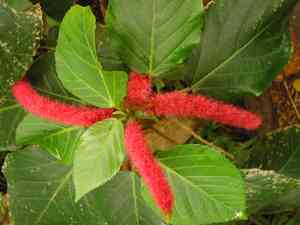
Acalypha hispida is celebrated for its striking, flowing crimson blooms.
2
This species is resilient and can thrive in diverse soil types.
3
Acalypha hispida aids in drawing in beneficial insects such as bees and butterflies.
What Makes Red hot cat's tail Stand Out?
Distinctive Appearance
Red hot cat's tail is easily identified by its lengthy, crimson, fuzzy flower spikes that dangle like a feline's tail. These eye-catching blooms can introduce a burst of color and texture to any garden, making it a favored option among gardeners and landscape designers. Its vibrant green leaves offer a lovely contrast, boosting its decorative appeal.
Versatile Growth Conditions
A key characteristic of Red hot cat's tail is its adaptability. This plant flourishes in diverse soil types, including sandy, loamy, and clay. It demands minimal upkeep, needing moderate irrigation and partial to full sun exposure. This resilience makes it an excellent choice for both new and seasoned gardeners seeking a low-effort yet visually appealing plant for their collection.
How Does Red hot cat's tail Support Local Ecosystems?
Attracting Pollinators
Red hot cat's tail plays a crucial role in sustaining local ecosystems by drawing in pollinators such as bees and butterflies. The vivid red blossoms are not only visually stunning but also act as a magnet for these beneficial insects, aiding in cross-pollination and enhancing biodiversity in your garden.
Encouraging Wildlife Habitat
Beyond attracting pollinators, Red hot cat's tail offers a sanctuary for various garden-friendly wildlife. Its dense foliage and unique flower spikes provide shelter and food sources for different insects and small birds, contributing to a balanced and thriving garden ecosystem.
Practical Uses of Red hot cat's tail in Landscape Design
Creating Stunning Focal Points
Red hot cat's tail can be effectively utilized as a central feature in garden beds or containers. Its bold look captures attention and can serve as a centerpiece in various landscape designs. Whether you aim to create a tropical haven or a lively garden nook, this plant can make a significant visual impact.
Complementing Other Plants
Given its striking red flowers and green foliage, Red hot cat's tail harmonizes well with other plants, forming balanced and aesthetically pleasing garden arrangements. It can be paired with plants of contrasting hues, such as white or yellow flowers, to create visually dynamic and engaging garden spaces.
Maintenance Tips for Thriving Red hot cat's tail
Planting and Soil Requirements
When planting Red hot cat's tail, ensure the soil drains well to prevent waterlogging. While it can adapt to various soil types, incorporating organic matter like compost can improve soil fertility and promote healthier growth. Space the plants appropriately to encourage air circulation and reduce the risk of fungal diseases.
Watering and Fertilizing
Red hot cat's tail requires moderate watering; keep the soil consistently moist but not saturated. During warmer months, applying mulch around the base can help retain moisture. Fertilize monthly with a balanced, water-soluble feed to encourage lush growth and abundant flowering. Prune as needed to remove spent blooms and maintain the desired form.
Potential Challenges and Solutions
Pest Control
While Red hot cat's tail is quite resilient, it's not immune to pests like aphids and spider mites. Regular checks and natural pest management methods, such as neem oil sprays or introducing beneficial insects like ladybugs, can help keep these issues under control.
Disease Prevention
Red hot cat's tail may occasionally suffer from fungal infections, particularly in overly humid conditions. To prevent disease, ensure proper spacing and avoid overhead watering. If fungal problems arise, treating with a fungicide or promptly removing affected parts can help manage the issue.



