Boost Growth: How and When to Repot Your Red hot cat's tail Plant
1
The best periods for transplanting a Red hot cat's tail are during spring or winter.
2
Select a container that is 1-2 inches (2.5-5 cm) wider than its present one.
3
Employ a potting blend with good drainage for optimal outcomes.
Why Replant Your Red hot cat's tail?
Understanding the growth pattern of Red hot cat's tail
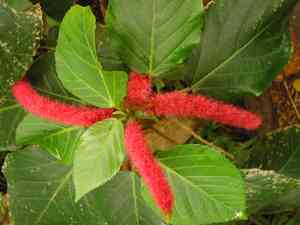
The Red hot cat's tail is a tropical perennial plant recognized for its vivid red, tail-like blooms. Grasping its growth cycle is crucial for timely replanting. This plant typically experiences a growth surge during spring, making it the optimal time to replant. Its roots expand rapidly during this period, ensuring stable development and facilitating the plant's adaptation to a new container and soil environment.
Recognizing indicators that it's time for replanting
One of the clearest signs your Red hot cat's tail requires replanting is when its roots begin to emerge from the base of its current container. Other indicators include slowed development, yellowing foliage, and a general decline in plant vitality. If you observe that water drains very quickly or isn't absorbed properly, it's another sign the roots have outgrown their space.
Advantages of replanting for plant vitality and appearance
Replanting provides new soil that replenishes vital nutrients, which is essential for the plant's health and growth. It also allows the roots more space to spread, preventing them from becoming root-bound. A newly replanted Red hot cat's tail not only appears more vibrant but also shows improved blooming and foliage, contributing to both its well-being and beauty.
Selecting the Appropriate Container and Substrate for Your Red hot cat's tail
Choosing the correct pot size and material
When choosing a container for your Red hot cat's tail, it's vital to select one that is 1-2 inches (2.5-5 cm) larger in diameter than the current pot to provide sufficient room for root expansion. Pot materials can range from plastic to ceramic, but ensure it has drainage holes to prevent waterlogging. A lightweight container can make it easier to relocate your plant as needed.
Recommended soil types and blends
The ideal substrate for a Red hot cat's tail is a well-draining potting mix. You can utilize a standard houseplant soil blend, enhanced with perlite or sand to improve drainage. This type of soil ensures that the roots do not remain waterlogged, which can lead to root rot.
Step-by-Step Guide to Replanting a Red hot cat's tail
Preparing your work area and gathering implements
Before you start, ensure you have all the necessary tools: a new container, fresh potting substrate, gloves, and a small trowel. Lay down newspaper or a plastic sheet to catch any spilled soil, and have a watering can ready. A clean, organized workspace helps make the replanting process smooth and stress-free.
Safely extracting the plant from its old container
To remove the Red hot cat's tail from its old container, gently turn the pot on its side and slide the plant out while supporting its base. If it's resistant, tap the sides of the pot or gently squeeze it to loosen the soil. Avoid pulling on the plant, as this can harm its roots.
Adding substrate and positioning the plant in the new container
Place a layer of soil at the bottom of the new container to elevate the plant's root ball. Position the Red hot cat's tail in the center of the pot, ensuring it sits at the same depth as it did in its old pot. Fill in the gaps around the roots with fresh soil, pressing it down lightly to eliminate air pockets.
Post-replanting care recommendations
After replanting, water the plant thoroughly to settle the soil. Place the Red hot cat's tail in a warm, well-lit location but shielded from direct sunlight for a few days to help it adjust. Monitor the soil moisture closely and avoid overwatering as the plant establishes itself.
Addressing Common Issues After Replanting
Managing irrigation concerns
A frequent problem after replanting is either excessive or insufficient watering. Ensure that the soil remains moist but not saturated and allows proper drainage. If the plant exhibits drooping leaves, it could indicate incorrect watering practices.
Identifying stress indicators and recovery advice
Your Red hot cat's tail might display signs of stress such as wilting, yellowing foliage, or stunted development after replanting. This is usually temporary. Ensure it receives adequate but not direct sunlight, maintain consistent watering, and consider using a balanced, diluted fertilizer to aid recovery.



