Optimal Soil for Growing Stokes' aster: What You Need to Know
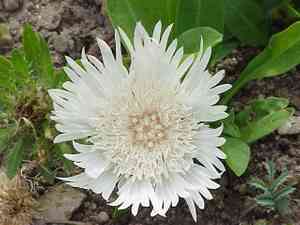
1
Stokes' aster flourishes in soil that drains effectively, possessing a pH ranging from mildly acidic to neutral, specifically 6.5 to 7.5.
2
Routine soil analysis assists in preserving the optimal cultivation environment for Stokes' aster.
3
Adding organic materials like compost can greatly enhance the soil's condition and the plant's vitality.
The Importance of Soil Quality for Stokes' aster
Growth Impact
The soil's quality for your Stokes' aster significantly influences its overall health and development. Optimal, well-draining soil allows roots to easily penetrate and absorb vital nutrients and water. Inadequate soil can hinder growth, resulting in stunted plants and unhealthy foliage.
Flowering Influence
Stokes' aster's blooming is highly dependent on its soil conditions. Well-drained, nutrient-rich soil promotes the production of vibrant, abundant flowers. Poor soil can lead to fewer blooms and less intense color variations. Balanced soil boosts the plant's energy production, supporting robust flowering.
Disease Resistance
Good soil quality can strengthen the plant's defense against diseases. Healthy soil fosters strong roots and ensures proper nutrient uptake, bolstering the plant's immune system. Overly compact or waterlogged soil can encourage fungal infections and root rot, jeopardizing your Stokes' aster's health.
Optimal Soil Composition for Stokes' aster
Soil Texture
Stokes' aster prefers sandy loam, which provides excellent drainage while retaining adequate moisture and nutrients. Sandy loam's balanced texture prevents waterlogging, a common cause of root rot in many plants.
Nutrient Content
The soil should be rich in organic matter to supply essential nutrients. Incorporating compost or well-rotted manure can greatly improve the soil's nutritional value. Micronutrients such as iron, magnesium, and calcium are equally crucial for healthy Stokes' aster growth.
pH Levels
Stokes' aster thrives best in soil with a pH between 6.5 and 7.5. This slightly acidic to neutral range enables the plant to absorb nutrients effectively. You can adjust soil pH by adding lime to raise it or sulfur to lower it, depending on current levels.
Preparing Soil for Stokes' aster Planting
Soil Testing
Before planting, it's crucial to perform a soil test to determine its composition and pH. Soil testing kits are widely available at garden centers. Collect samples from various garden areas for an accurate overview. This initial step helps identify necessary amendments.
Amending the Soil
Based on your soil test results, you might need to amend the soil to create ideal conditions for Stokes' aster. Mixing in organic compost, well-rotted manure, or specific fertilizers can enhance nutrient content. Adjust the pH if needed using lime or sulfur.
Ensuring Proper Drainage
Adequate drainage is vital for Stokes' aster. You can improve soil drainage by adding sand or fine gravel. Raised beds can also be an excellent solution to prevent waterlogging, ensuring excess water drains away from the roots.
Common Soil Issues for Stokes' aster and Solutions
Poor Drainage
Poor drainage is a frequent problem that can lead to root rot. Ensure you plant Stokes' aster in well-drained soil. Amending your garden soil with sand, perlite, or organic matter can improve drainage, or consider planting in raised beds.
Nutrient Deficiency
Nutrient deficiencies can appear as yellowing leaves or poor growth. Regularly test your soil and amend it with compost or balanced fertilizers as needed. Ensure your soil has sufficient micronutrients like iron and magnesium, which are vital for the plant's health.
Soil Compaction
Soil compaction restricts root development and water absorption. Loosen compacted soil by tilling or adding organic matter to increase its aeration. Avoid walking on the planting area to prevent further compaction.
Maintaining Soil Quality for Stokes' aster
Regular Soil Testing
Conduct soil tests regularly, ideally annually, to monitor pH levels and nutrient content. This practice allows for timely amendments, keeping the soil healthy and supportive of Stokes' aster growth.
Seasonal Amendments
Amend the soil seasonally with compost or fertilizers to replenish depleted nutrients. This ensures the soil remains fertile and supports the continued health and blooming of Stokes' aster.
Organic Mulching
Applying a layer of organic mulch around your Stokes' aster can help retain soil moisture, suppress weed growth, and gradually improve soil structure as it breaks down. Organic mulches like straw, bark chips, or shredded leaves are ideal.



