Enhancing Your Garden Design with the Stokes' aster Plant: A Landscaping Guide
1
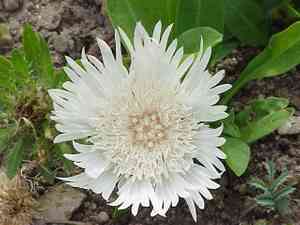
Stokes' aster brings vivid hues and interesting textures to your garden, boosting its visual charm.
2
Cultivating Stokes' aster in ideal light and ground conditions guarantees robust development and plentiful flowers.
3
Accompanying plants can greatly improve the aesthetic and environmental advantages of Stokes' aster within your garden.
Understanding the Role of Stokes' aster in Landscape Design
Visual Appeal: Adding color and texture to your garden
A key benefit of integrating Stokes' aster into your landscaping is the vivid hue and distinct texture it brings to your garden. Its blossoms provide a striking visual element, creating focal points in your design. Whether in flower beds, borders, or mixed plantings, Stokes' aster elevates the aesthetic of any garden. The contrast between its radiant flowers and lush foliage adds depth, making your garden more dynamic and appealing.
Seasonal Interest: When does Stokes' aster bloom and its aesthetic peak
Stokes' aster offers seasonal appeal by flowering at specific times, enhancing the garden's overall charm. Typically, it blooms during late spring and summer, reaching its peak beauty when its colorful flowers are fully displayed. This bloom period ensures continuous color in your garden when many other plants might not be flowering. Understanding its cycle allows you to strategically plan your garden for year-round beauty.
Habitat Enhancement: Supporting local wildlife with Stokes' aster
Beyond its visual benefits, Stokes' aster significantly enhances local wildlife habitats. Its flowers attract various pollinators, including bees and butterflies, vital for a healthy ecosystem. By planting Stokes' aster, you provide a valuable food source and habitat for these beneficial insects. This supports biodiversity and contributes to the overall health and sustainability of your garden environment.
Choosing the Right Location for Stokes' aster in Your Landscape
Light Requirements: The ideal exposure for Stokes' aster
To maximize Stokes' aster's health and blooming potential, proper light conditions are crucial. It thrives best in full sun, receiving at least six hours of direct sunlight daily. This exposure ensures robust growth and abundant blooms. However, it can also tolerate partial shade, making it adaptable to various garden settings. Ensuring adequate light will help it become a vibrant part of your landscape.
Soil Preferences: Optimal soil conditions for Stokes' aster
Stokes' aster prefers well-drained soil with a slightly acidic to neutral pH. Soil that retains too much moisture can lead to root rot and other health issues. Before planting, it's beneficial to amend your garden soil with organic matter, like compost, to improve drainage and fertility. A well-prepared soil bed ensures strong root establishment and access to essential nutrients, promoting healthy growth and prolific blooming.
Spacing Needs: How to space Stokes' aster for optimal growth
Proper spacing is vital for Stokes' aster's optimal growth. Depending on the variety, spacing can vary, but generally, plants should be 12-18 inches apart for adequate air circulation and growth room. This spacing prevents overcrowding, which can lead to reduced airflow and increased disease susceptibility. When planting, consider its mature size and provide enough space to thrive without excessive competition from neighbors.
Companion Plants for Stokes' aster
Enhancing Colors: Plants that complement the bloom of Stokes' aster
Pairing Stokes' aster with companion plants that enhance its colorful blooms can create a harmonious and visually appealing garden. Consider planting it alongside plants with complementary or contrasting colors, such as yellow daylilies, purple salvias, or white daisies. These combinations can create a stunning display, drawing attention to Stokes' aster's vibrant flowers while adding a cohesive color palette to your garden.
Improving Growth: Neighboring plants that could enhance growth conditions
Choosing companion plants that improve Stokes' aster's growing conditions can lead to healthier, more vigorous plants. For instance, planting it near plants that attract beneficial insects can help control pests naturally. Additionally, pairing it with nitrogen-fixing plants, such as clover or peas, can enrich the soil with essential nutrients, promoting better growth. Strategic planting with compatible companions ensures Stokes' aster flourishes in a supportive, well-balanced garden environment.
Creating Harmony: Strategies for aesthetically pleasing plant combinations
Creating an aesthetically pleasing garden involves thoughtful planning of plant combinations that complement each other visually and ecologically. When designing, consider the height, texture, and bloom time of Stokes' aster and its companions. For instance, use taller plants as a backdrop to highlight its blooms or mix different foliage textures to add depth and interest. By carefully selecting companion plants that harmonize, you can achieve a balanced and beautiful garden design.
Maintenance Tips for Stokes' aster in Your Garden
Seasonal Care Tips: Ensuring year-round appeal
Maintaining Stokes' aster requires seasonal care to ensure it remains attractive and healthy throughout the year. During the growing season, regular deadheading of spent blooms promotes continuous flowering and prevents seed formation. In the fall, light pruning helps tidy the plant and prepares it for winter. Additionally, a layer of mulch applied in late fall protects roots from freezing, ensuring a vibrant return in spring.
Watering Strategies: Best practices for hydration
Optimal watering is crucial for Stokes' aster's thriving growth. While relatively drought-tolerant once established, it benefits from regular watering during dry spells, especially in its first year. Water deeply but infrequently, allowing the soil to dry slightly between waterings. This encourages deep root growth and helps the plant better withstand drought. Avoid overhead watering to reduce foliar disease risk; instead, water directly at the plant's base.
Pruning and Deadheading: Keeping Stokes' aster looking its best
Pruning and deadheading are essential maintenance practices to keep Stokes' aster looking its best. Regularly removing spent flowers (deadheading) encourages more blooms and maintains a neat appearance. Pruning, especially after flowering, helps shape the plant and removes any dead or diseased stems. By staying on top of these tasks, you ensure Stokes' aster remains a focal point, continually adding vibrant beauty to your landscape.



