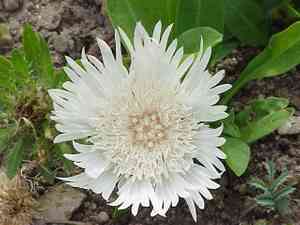
Stokes' aster (Stokesia laevis)
Also known as: Cornflower aster
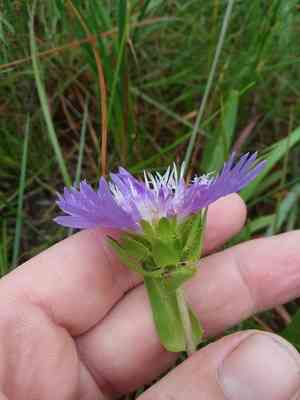
Stokesia laevis, commonly known as Stokes' aster, is a perennial plant named in honor of botanist and physician Jonathan Stokes. This plant is known for its ability to attract pollinators like bees and butterflies. One of its unique features is the way its petals can transition from white to purple, adding dynamic color to any garden.
In This Article
Attributes of Stokes' aster
Lifespan
Perennial, Annual
Plant Type
Herb
Plant Height
30 cm to 60 cm
Spread
30 cm to 45 cm
Leaf Color
Green
Flower Size
4 cm to 10 cm
Flower Color
White Blue Purple Pink Lavender Violet
Images of Stokes' aster
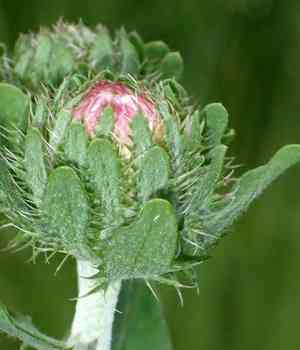
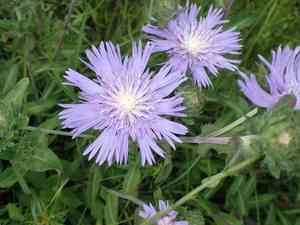
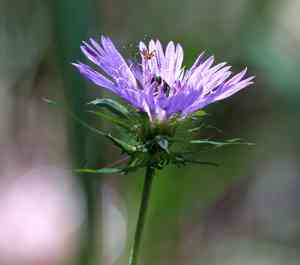
Quickly Identify Stokes' aster
1
Deep blue or white flowers up to 5 inches (12.7 cm) wide.
2
Lance-shaped leaves forming a lush foliage rosette up to 6 inches (15 cm) long.
Scientific Classification of Stokes' aster
Phylum
Vascular plants
Class
Dicotyledons
Order
Asterales
Family
Daisy
Genus
Stokes' aster
Species
Stokes' aster
Planting and Growing of Stokes' aster
Care Difficulty
Easy
Watering Schedule
Every 4 days
Sunlight Requirements
Full sun
Sunshine Duration
6-10 hours
Ideal Temperature
65-75℉
Soil Type
Potting Mix, Peat Mix
Soil pH
5.5-7.5
Fertilizer Type
Balanced
Pruning Season
Spring, Summer
Pruning Area
Branches, Leaves
Pruning Frequency
2 times a year
Repotting Season
Spring
Pot Type
Plastic, Ceramic
 How to Water Stokes' aster?
For Stokesia laevis, ensure the soil is evenly moist but not soggy. You should aim to provide about 500ml of water per session. Water deeply until the soil feels moist down to a depth of 6 to 8 inches. This allows the roots to develop strong networks deep in the soil, preparing them to withstand periods of drought.
What are the symptoms of an underwatered Stokes' aster?
›
What should I do if my Stokes' aster is not getting enough water?
›
What are the symptoms of an overwatered Stokes' aster?
›
How to save an overwatered Stokes' aster?
›
 What Are the Sunlight Requirements for Stokes' aster?
Stokesia laevis prefers a light range from partial to full sun, optimizing its growth and bloom potential with 6 to 8 hours of sunlight daily.
More About Sunlight Requirements Techniques→
Optimal Light Conditions for Growth
›
Ensuring Adequate Sun With Potential Obstacles
›
Benefits of Optimal Sunlight Exposure
›
 What Is the Ideal Temperature Range for Stokes' aster?
Stokesia laevis thrives best in temperatures ranging from 65°F to 75°F. This range provides an optimal environment for the plant to grow vigorously, maintain its health, and produce vibrant blooms. Within these temperatures, the plant can effectively perform photosynthesis and energy transfer, essential processes for its development and flowering.
 What Soil is Best for Stokes' aster?
Stokesia laevis thrives in well-drained soil, which ensures roots are not waterlogged. This promotes healthy growth and prevents root rot, a common issue in poorly drained soils. The plant prefers soil of moderate fertility, which provides essential nutrients without over-fertilization. This balance supports vibrant blooms without causing nutrient burn. Slightly acidic conditions are ideal for Stokesia laevis, enhancing nutrient absorption. This ensures robust foliage and abundant flowering, enhancing the plant's overall vitality.
More About Soil→
 How to Fertilize Stokes' aster?
Stokesia laevis prefers a balanced application of nutrients. For liquid fertilizers, a concentration that provides around 150 ppm of nitrogen is suitable. For slow-release fertilizers, use about one tablespoon per square foot. Always follow the fertilizer's instructions for specific amounts.
More About Fertilizing Techniques→
 How to Prune Stokes' aster?
Look for wilted or faded flowers. Removing these deadheads helps direct the plant's energy into producing new blossoms and extending the blooming period. Check for and promptly trim away any broken or diseased stems to prevent the spread of infections and to keep the plant healthy and thriving. Cut back any overly long or errant stems to maintain the desired shape of the plant. This not only improves aesthetics but also promotes a more uniform growth pattern.
More About Pruning Techniques→
 How to Propagate Stokes' aster plant?
1
Begin by filling seed trays or pots with a well-draining potting mix. Moisten the soil lightly to ensure it’s ready to support germination but avoid waterlogging, which can cause seed or cutting rot.
2
Sow seeds evenly across the surface of the soil and lightly cover them with a thin layer of soil. For cuttings, remove the lower leaves and dip the cut end in rooting hormone before placing it into the soil.
3
Place the seed trays or cutting pots in a location with indirect sunlight and maintain a temperature between 20-25°C. Ensure the medium remains moist through regular misting but avoid making it too wet.
 How to Repot Stokes' aster plant?
1
Stokesia laevis shows it needs repotting when its roots begin to protrude from the drainage holes or it seems to be outgrowing its container. Additionally, if the soil dries out very quickly after watering, it's a sign that the plant's roots have occupied most of the pot. Ideally, repot during spring or autumn to minimize stress on the plant.
2
Select a pot that is only slightly larger than the current one, ideally 1-2 inches in diameter larger. It should have adequate drainage holes to prevent waterlogging, which can lead to root rot. A well-sized pot encourages healthier root growth and prevents the problem of excess soil retaining moisture for too long.
3
Opt for a well-draining, loamy soil mix that includes components like peat, sand, and perlite. This mix provides excellent aeration and drainage while retaining adequate moisture, ensuring the roots are neither waterlogged nor deprived of necessary hydration. Such soil supports robust growth and flowering.
Learn More About Stokes' aster Diseases
Anthracnose
Bacterial Leaf Spot
Bacterial Soft Rot
Bacterial Wilt
Black Spot
Chemical Injury
Crown Gall
Cyst Nematode
Damping-off
Downy Mildew
Drought Stress
Fusarium Wilt
Gray Mold
Leaf Spot
Mosaic
Nutrient Deficiency
Nutrient Toxicity
Powdery Mildew
Root Rot
Root-knot Nematode
Rusts
Sooty Mold
Spider Mites
Temperature Stress
Thrips Damage
White Mold



