Optimal Soil for Growing Indian coral tree: What You Need to Know
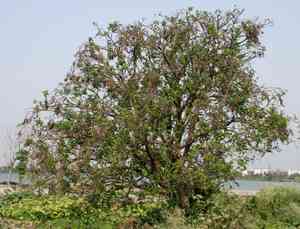
1
The Indian coral tree thrives in soil that drains effectively, which helps avoid root decay and problems associated with excessive moisture.
2
Mixing organic materials into the soil can greatly enhance its nutritional value and general condition.
3
Consistent checking of the soil's pH is crucial for the Indian coral tree, as it prefers a range between 6.5 and 8.
What Soil Type is Best for Indian coral tree?
Drainage Requirements
For the Indian coral tree, adequate drainage is essential. This species flourishes in conditions where excess water can escape efficiently from the soil. Inadequate drainage can lead to root rot, a condition highly damaging to the tree's vitality. To guarantee proper water flow, it is advisable to use sandy or loamy soil types, as they facilitate water percolation. If your garden has heavy clay soil, consider mixing in sand or gravel to enhance its drainage capabilities.
Soil Composition
The ideal soil makeup for the Indian coral tree consists of a blend of minerals, organic materials, and air. A good guideline is to aim for a ratio of 40% sand, 40% silt, and 20% clay. This proportion delivers the necessary nutrients and supports robust root development. Incorporating organic matter such as compost or well-decomposed manure can also boost the soil's structure and fertility.
pH Level
Soil pH significantly influences the availability of nutrients for your Indian coral tree. The optimal pH range for this species is between 6.5 and 8. Within these limits, vital nutrients are readily accessible to the plant. Regular pH testing ensures the soil stays within this preferred range. If the pH is too low (acidic), consider adding agricultural lime to increase it; if too high (alkaline), sulfur or organic materials can help decrease it.
How to Enrich Soil for Indian coral tree
Consider Organic Matter
Organic matter forms the foundation of healthy soil. For the Indian coral tree, integrating organic materials such as compost, leaf mold, or well-aged manure can greatly enhance soil fertility and structure. Organic matter improves soil aeration, water retention, and microbial activity, all of which are beneficial for plant growth. Aim to blend approximately 5-10 liters (1.3-2.6 gallons) of organic matter per square meter (about 10 square feet) of soil.
Using Fertilizers
Fertilizers can provide an additional nutritional boost for the Indian coral tree. A balanced, slow-release formulation, such as a 10-10-10 (N-P-K) fertilizer, can supply essential nutrients over an extended period. Apply fertilizer in early spring and mid-summer to support the tree's natural growth cycles. Exercise caution to avoid over-fertilization, as this can result in salt accumulation in the soil, potentially harming the tree.
Compost Benefits
Compost is an excellent method to enrich the soil for the Indian coral tree. It not only supplies crucial nutrients but also enhances soil texture and moisture retention. Compost can be created from kitchen scraps, garden waste, and other organic materials. Applying a 5-10 cm (2-4 inches) layer of compost around the tree's base, ensuring it doesn't touch the trunk, will deliver a gradual release of nutrients as it decomposes, promoting a healthier growing environment.
What Soil Problems Can Affect Indian coral tree?
Poor Drainage Issues
Inadequate drainage is a frequent problem that can severely impact the Indian coral tree's health. Waterlogged conditions create an environment conducive to root rot and fungal infections. To rectify drainage issues, consider amending the soil with materials that improve its porosity, such as sand, perlite, or small gravel. Additionally, planting the tree on a slight mound can promote better water runoff.
Nutrient Deficiencies
Nutrient deficiencies manifest in various ways, including yellowing foliage, stunted development, or reduced blooming. Regular soil analysis can help pinpoint specific nutrient shortages. Addressing these deficiencies may involve adding targeted fertilizers or organic materials. For instance, iron deficiency can be corrected with chelated iron supplements, while a lack of nitrogen might require a nitrogen-rich fertilizer.
pH Imbalance
A pH imbalance can impair the Indian coral tree's capacity to absorb nutrients, even if they are present in the soil. Regularly testing the soil's pH ensures it stays within the optimal range of 6.5 to 8. To correct pH imbalances, you can add sulfur or peat moss to lower the pH (make it more acidic) or lime to increase it (make it more alkaline). It is crucial to follow product instructions carefully to prevent over-correction.
How to Test Soil for Indian coral tree
Simple Testing Methods
Basic soil testing methods include observing the plant's condition and utilizing do-it-yourself kits. For a quick pH check, you can mix soil with distilled water and use pH test strips. Symptoms like yellowing leaves or poor growth can signal specific deficiencies, aiding in early diagnosis and resolution of soil problems.
Using a Soil Test Kit
Soil test kits offer a more thorough examination of your soil's pH, nutrient levels, and organic matter content. These kits are available at garden centers or online. Carefully follow the directions to collect soil samples from various spots around your Indian coral tree, blend them, and use the kit to obtain detailed results. This information can precisely guide your efforts to improve the soil.
Interpreting Test Results
Interpreting soil test results involves understanding the equilibrium of nutrients and pH levels. A professional soil analysis report will provide specific recommendations for amendments. For DIY kits, consult the included guide to match your results to suggested actions. Ensuring your soil remains within the ideal parameters will keep your Indian coral tree vibrant and thriving.



