How to Prune Indian coral tree?
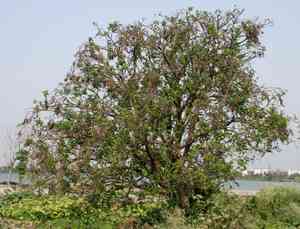
The indian coral tree, recognized for its vibrant red blossoms and expansive crown, thrives with judicious trimming to preserve its form and vitality. Conduct pruning in late winter or early spring, prior to the onset of rapid growth. Eliminate any deceased wood, along with frail and intersecting branches, to improve light access and air circulation. Reducing the density of the canopy lessens wind resistance. This practice encourages robust development and blooming, deters ailments, and facilitates managing the dimensions of this resilient variety. Pruning during its dormant phase reduces sap leakage and physiological strain.
What Are the Benefits of Pruning Indian Coral Tree?
What Are the Benefits of Pruning Indian Coral Tree?
Trimming indian coral tree encourages robust new development, ensuring a sturdy framework. It assists in preserving the desired form, preventing excessive growth and enhancing visual appeal.
What Is the Best Time for Pruning Indian Coral Tree?
What Is the Best Time for Pruning Indian Coral Tree?
The period from late winter to early spring is considered ideal for pruning indian coral tree due to its dormant state. Indian coral tree typically sheds its leaves during colder months, making this time perfect as its energy is conserved, and the plant experiences less stress. This timing precedes the emergence of new growth in spring, ensuring that pruning will not hinder flowering, which usually occurs from early spring to summer. Pruning at this time allows gardeners to shape indian coral tree, remove any frost-damaged limbs, and foster vigorous, healthy growth in the upcoming season. It also aids in reducing disease spread, as fewer active pathogens are present during cooler periods. By adhering to these seasonal guidelines, gardeners can support the natural cycle of indian coral tree, improving its aesthetic value and long-term vitality without disrupting its blooming or growth patterns.
What Tools Do I Need to Prune Indian Coral Tree?
Hand Pruners
Perfect for cutting small branches and twigs of indian coral tree, enabling precise cuts without harming the rest of the plant.
Lopping Shears
Most suitable for trimming thicker branches that hand pruners cannot manage, providing the necessary leverage for branches up to 1.5 inches in diameter.
Pruning Saw
Essential for removing larger branches from indian coral tree. Their sharp teeth can cut through wood too thick for loppers.
Pole Pruner
Helpful for reaching higher branches without needing a ladder, improving safety when trimming indian coral tree.
How to Prune Indian Coral Tree
Sterilize Tools
Before pruning indian coral tree, disinfect all cutting implements with alcohol or a bleach solution to prevent disease transmission.
Identify Branches
Inspect indian coral tree to locate dead or diseased branches. Dead branches will feel brittle and lack green growth, while diseased branches may show signs of discoloration, fungi, or unusual growth patterns.
Cut Diseased Branches
Carefully trim diseased branches of indian coral tree at least a few inches below the affected area to ensure all diseased tissue is removed. Make the cut at a 45-degree angle to promote healing and discourage water accumulation on the wound.
Remove Dead Branches
Remove dead branches from indian coral tree by making clean cuts close to the trunk or main branch without damaging the bark collar. This will encourage proper healing and reduce the risk of infection.
Clean Up
After pruning indian coral tree, gather and dispose of the trimmed material away from healthy plants to prevent potential disease spread. Clean all tools used in the process to maintain their sterility.
Common Pruning Mistakes with Indian Coral Tree
Over Pruning
Removing too much of indian coral tree's foliage at once can stress the tree, leading to poor health or reduced flowering. It can also stimulate excessive vegetative growth at the expense of flowers.
Improper Cutting Technique
Making cuts that are too flush to the trunk or leaving large stubs can facilitate the entry of pests and diseases, which may harm indian coral tree.
Ignoring Disease Prevention
Not sterilizing pruning tools before use on indian coral tree can spread diseases from infected plants to healthy ones.
Neglecting Tree Structure
Not considering the natural shape and growth pattern of indian coral tree can result in an unbalanced appearance and weaken the structure of the tree.
Removing Too Much Old Wood
Excessive removal of old wood may limit the number of blooms, as indian coral tree may flower on old growth.
Common Pruning Tips for Indian Coral Tree
Selective Pruning
Remove only dead, diseased, or damaged branches to maintain the health and aesthetics of indian coral tree, encouraging better air circulation and growth.
Clean Cuts
Make angled cuts that are clean and just above a bud or branching point to promote rapid healing and to direct new growth outward.
Tool Sanitation
Always use sanitized and sharp tools when pruning indian coral tree to reduce disease transmission and ensure precise cuts, which help the tree recover quickly.
Structural Pruning
Focus on creating a strong, well-spaced scaffold of main branches to support the weight of indian coral tree's flowers and foliage, which prevents breakage and improves tree form.
Conservative Pruning
Prune indian coral tree conservatively, allowing enough old wood to remain for future flowering while removing any congested or crossing branches to maintain an open framework.



