Enhancing Your Garden Design with the Indian coral tree Plant: A Landscaping Guide
1
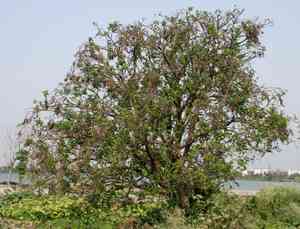
The Indian coral tree adds vivid hues and a distinctive form to any landscape.
2
This adaptable plant flourishes across diverse weather conditions and ground types.
3
The Indian coral tree needs little upkeep, making it ideal for gardeners with limited time.
Why Opt for Indian Coral Tree in Your Landscape Design?
Visual Appeal: Vivid Hues and Distinctive Form
A primary reason to integrate Indian coral tree into your outdoor space is its remarkable visual charm. The tree's brilliant red blossoms are captivating, injecting a burst of color that can invigorate any garden. Its unique structure, featuring distinctively shaped leaves and robust branches, introduces an intriguing architectural element to your landscaping. Whether utilized as a solitary centerpiece or as part of a broader garden scheme, Indian coral tree stands out, creating a powerful visual statement.
Versatility: Thrives Across Diverse Climates and Soils
Indian coral tree is renowned for its impressive adaptability. This plant flourishes in a variety of climatic conditions, making it an excellent selection, whether your location is tropical, subtropical, or temperate. Furthermore, it can grow in various soil types, from sandy to loamy, and can endure occasional dry spells once established. This flexibility means Indian coral tree can be a dependable and resilient addition to numerous garden environments.
Minimal Upkeep Requirements
Another significant benefit of Indian coral tree is its low maintenance demands. Once rooted, it needs little care, making it an ideal choice for those desiring a low-effort yet high-impact garden. Periodic pruning to maintain its shape and encourage blooming, along with consistent watering during dry periods, is typically enough to keep Indian coral tree flourishing. Its hardy nature means it's less prone to pests and diseases, further reducing the need for continuous attention.
Integrating Indian Coral Tree into Your Existing Landscape
Selecting the Optimal Placement
Choosing the perfect spot for Indian coral tree in your garden is vital for its success. It prefers a location with full sun to partial shade, ensuring it receives ample light for optimal growth and flowering. Additionally, consider the plant's mature size; Indian coral tree can grow quite large, so allow sufficient room for it to expand without overcrowding other plants. Positioning it where it can serve as a focal point or along a border can accentuate its beauty and enhance your garden's overall appeal.
Companion Plants for Indian Coral Tree
To cultivate a harmonious and visually pleasing garden, pair Indian coral tree with complementary plants. Selecting species with contrasting foliage colors and textures can highlight Indian coral tree's unique structure and vibrant blooms. Plants such as ornamental grasses, ferns, or ground covers with subtle shades work well to complement Indian coral tree without overshadowing it. Moreover, including plants that attract pollinators like butterflies and hummingbirds can foster a dynamic and eco-friendly garden environment.
Design Concepts: Crafting Focal Points
Utilizing Indian coral tree as a central focal point in your garden design can transform your space. Consider planting it in a prominent position, such as the center of a circular garden bed or at the end of a pathway, where its vivid flowers and distinctive form can be fully appreciated. You can also group several Indian coral tree plants together to create a striking, colorful grove. Incorporating garden elements like benches or water features near Indian coral tree can establish inviting areas for relaxation and enjoyment.
Seasonal Considerations for Indian Coral Tree in Landscaping
Spring and Summer Care Advice
During the active growth periods of spring and summer, Indian coral tree will require some attention to ensure it remains healthy and vibrant. Consistent watering is crucial, especially during dry spells, to establish a robust root system. Applying a balanced fertilizer in early spring can promote vigorous growth and abundant flowering. Monitor the plant for any indications of pests or diseases, and address any issues promptly to prevent their spread.
Preparing Indian Coral Tree for Autumn and Winter
As the seasons shift, readying Indian coral tree for fall and winter is essential for maintaining its health. In colder climates, consider safeguarding younger plants from frost by covering them with a breathable material. Mulching around the plant's base can help insulate the roots and retain moisture during cooler, drier months. Pruning in late winter or early spring before new growth begins can help manage the plant's shape and encourage a strong bloom in the upcoming season.
Long-Term Advantages of Incorporating Indian Coral Tree in Your Garden
Boosts Property Value
Adding Indian coral tree to your garden can significantly increase your property's overall worth. Its striking appearance and minimal maintenance needs make it an appealing feature for prospective buyers. A well-designed garden with a centerpiece like Indian coral tree can also enhance curb appeal, creating a strong initial impression and potentially elevating your home's market value.
Environmental Benefits: Supporting Local Wildlife
Integrating Indian coral tree into your garden offers various ecological advantages. Its bright flowers attract pollinators such as bees, butterflies, and hummingbirds, which are vital for sustaining healthy ecosystems. Additionally, the tree provides habitat and sustenance for local wildlife, fostering biodiversity in your area. The dense foliage and branch structure of Indian coral tree can also offer refuge for small birds and other creatures, making your garden a lively and dynamic space.



