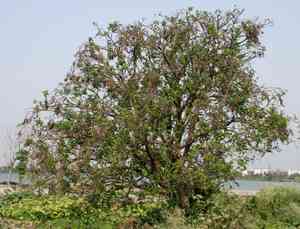
Indian coral tree (Erythrina variegata)
Also known as: Easter flower, Mountain ebony
The Indian coral tree (*Erythrina variegata*), a tropical and subtropical shade tree, is frequently seen in expansive open landscapes. Blooming in the spring, its striking flowers play a significant role in Sri Lankan New Year celebrations. However, caution is advised as its seedpods are toxic. Notably, the Indian coral tree flower is also recognized as the official flower of Okinawa, Japan. Additionally, the tree's wood is economically valuable and is commonly utilized in construction.
Attributes of Indian coral tree
Images of Indian coral tree
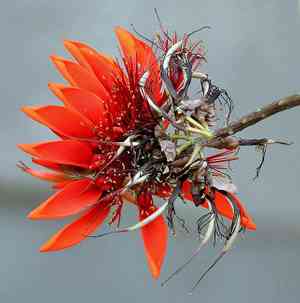
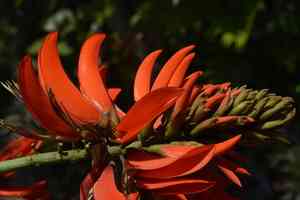
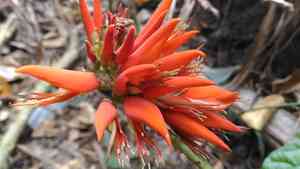
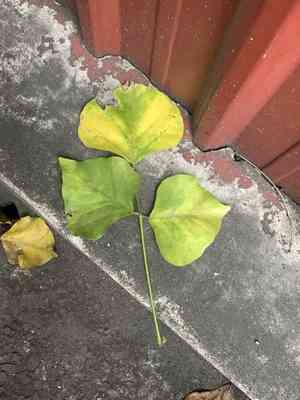
Quickly Identify Indian coral tree
Scientific Classification of Indian coral tree
Planting and Growing of Indian coral tree
 How to Water Indian coral tree?
 What Are the Sunlight Requirements for Indian coral tree?
 What Is the Ideal Temperature Range for Indian coral tree?
 What Soil is Best for Indian coral tree?
 How to Fertilize Indian coral tree?
 How to Prune Indian coral tree?
 How to Propagate Indian coral tree plant?
 How to Repot Indian coral tree plant?
Toxicity of Indian coral tree
Is Indian coral tree toxic to humans?
The seeds of the Indian coral tree can be toxic when ingested in significant amounts. Symptoms may include nausea, vomiting, diarrhea, and severe dehydration. The leaves, bark, and seeds harbor cytisine, a harmful chemical. Symptoms of ingestion may manifest as confusion, dizziness, and extreme lethargy. In some cases, the seeds may also induce a profound sleep, potentially resulting in coma. Certain effects can be irreversible and may ultimately lead to death.
Is Indian coral tree toxic to cat?
The Indian coral tree presents a moderate level of toxicity risk to cats. If a cat consumes any part of the Indian coral tree, including its bark, leaves, roots, or seeds, it can lead to poisoning. Cats that have encountered the Indian coral tree may display signs of physical distress or health issues. Given the gravity of these circumstances, it is crucial for cat owners to swiftly seek veterinary assistance if there are any suspicions or indications of poisoning from the Indian coral tree.
Is Indian coral tree toxic to dog?
The species known as the Indian coral tree is recognized for possessing a moderate level of toxicity towards dogs. If any toxic components of this plant are ingested by dogs, they risk poisoning, with the harmful parts including bark, leaves, roots, and seeds. Consumption of these elements from the Indian coral tree can lead to various symptoms that signal poisoning. These symptoms can range from mild reactions to more severe conditions, potentially manifesting as vomiting, diarrhea, lethargy, abdominal discomfort, or even serious indicators such as tremors or seizures, contingent on the quantity consumed. It is essential for dog owners to ensure that their pets do not come into contact with the Indian coral tree and to keep a vigilant eye on them if they are within proximity to this plant. Should there be any suspicion of a dog being poisoned by the Indian coral tree, it is vital to obtain prompt veterinary assistance to secure the best possible outcome for the animal.



