The Indian coral tree Plant Advantage: Maximizing Home and Office Appeal and Wellness
1
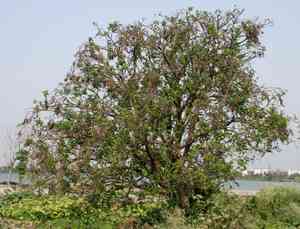
The Indian coral tree is recognized for its striking, colorful blossoms that draw in pollinators.
2
This tree offers substantial benefits for soil enrichment, boosting agricultural output.
3
Different components of the Indian coral tree are utilized in the creation of natural pigments and traditional handicrafts.
What Are the Environmental Benefits of Indian coral tree?
Enhancing Biodiversity
The Indian coral tree significantly boosts biodiversity through its blossoms, which draw in various pollinators like bees, butterflies, and birds. This not only assists in the tree's own pollination but also supports the wider ecosystem. By offering a home and food source for these creatures, it helps sustain local wildlife populations.
Soil Enrichment
A key advantage of the Indian coral tree is its capacity to improve soil quality. Its roots engage in nitrogen fixation, converting atmospheric nitrogen into a plant-usable form. This enhances soil fertility, making it better for agriculture. Furthermore, its fallen leaves decompose, adding organic matter and boosting nutrient content.
How Is Indian coral tree Useful in Traditional Practices?
Natural Dyes
Various parts of the Indian coral tree, especially its flowers and bark, are used to create natural dyes. These dyes are utilized in traditional fabric coloring methods, offering eco-friendly alternatives to synthetic dyes. Dyes from the Indian coral tree are also often employed in crafting and art, lending a unique, natural touch to handmade items.
Traditional Crafts
In many cultures, components of the Indian coral tree, including its wood and seeds, are incorporated into traditional crafts. Its durable wood is carved into tools, utensils, and decorative pieces, while seeds are frequently used in jewelry. These practices not only preserve cultural heritage but also encourage sustainable resource use.
What Role Does Indian coral tree Play in Agroforestry?
Shade and Windbreaks
The Indian coral tree is often planted in agroforestry systems, providing shade for crops and livestock. Its expansive canopy offers protection from direct sunlight, creating a more favorable microclimate for other plants. Additionally, it acts as a natural windbreak, shielding crops and soil from erosion caused by strong winds.
Intercropping
Farmers frequently integrate the Indian coral tree into intercropping systems due to its soil-improving qualities. By planting it alongside other crops, farmers can enhance soil fertility and yield. This practice also promotes biodiversity and lessens the need for chemical fertilizers, making farming more sustainable.
How Can Indian coral tree Be Utilized in Landscaping?
Aesthetic Appeal
The Indian coral tree is celebrated for its striking appearance, particularly its vivid red-orange flowers. Because of this, it is commonly used in landscaping to add visual interest to gardens, parks, and urban green spaces. Its broad canopy and colorful blooms make it a focal point in any landscape design.
Erosion Control
The robust root system of the Indian coral tree aids in preventing soil erosion. When planted on slopes or in areas prone to erosion, it stabilizes the soil and reduces runoff. This makes it an excellent choice for landscaping in regions with challenging terrain or where soil conservation is a priority.



