Optimal Fertilizer for Growing Indian coral tree: What You Need to Know
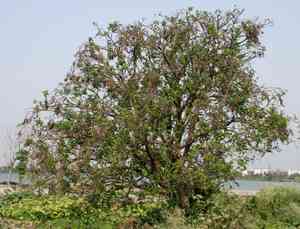
1
The Indian coral tree benefits most from fertilization at the start of spring.
2
Fertilizers that are balanced, such as those with a 10-10-10 or 20-20-20 NPK composition, are perfect for the Indian coral tree.
3
Make sure to thoroughly moisten the soil both before and after fertilizer application to enhance nutrient uptake.
Understanding Fertilization Needs of Indian coral tree
Identifying Signs of Nutritional Deficiency
Before discussing how to fertilize your Indian coral tree, it's vital to recognize indicators that your tree might be lacking essential nutrients. Observe for yellowed leaves, restricted growth, and reduced blooming. These symptoms can suggest an insufficient supply of crucial nutrients like nitrogen, phosphorus, and potassium. Early detection of these signs allows for addressing deficiencies before they severely impact your tree's vitality.
Optimal Soil Nutrient Ratios for Growth
The Indian coral tree flourishes in soil abundant with vital nutrients. An ideal nutrient balance for development typically involves a balanced blend of nitrogen (N), phosphorus (P), and potassium (K), commonly referred to as an NPK ratio. For this species, a balanced fertilizer with an NPK ratio such as 10-10-10 or 20-20-20 is effective. This promotes balanced development, resulting in lush foliage, robust roots, and vibrant flowers. Soil testing prior to fertilizer application can help identify specific nutrient shortages.
Choosing the Right Fertilizer for Indian coral tree
Comparing Organic vs. Synthetic Fertilizers
When selecting a fertilizer for your Indian coral tree, you can choose between organic and synthetic options. Organic fertilizers, derived from natural sources like compost, manure, or bone meal, offer a slow release of nutrients and enhance soil health over time. Conversely, synthetic fertilizers provide a quicker nutrient release and are formulated for precise NPK ratios, though they don't contribute to long-term soil improvement. For sustainable gardening, integrating organic choices can be advantageous, but synthetic fertilizers can be useful for rapid nutrient supplementation.
Essential Nutrients for Indian coral tree
To ensure your Indian coral tree thrives, supplying essential nutrients is crucial. Nitrogen is vital for leaf development, phosphorus supports root growth and flowering, and potassium boosts overall plant health and disease resistance. Calcium, magnesium, and iron are also important secondary nutrients that aid various physiological processes. A well-balanced fertilizer containing these elements will provide your tree with all necessary nutrients for vigorous and beautiful growth.
Optimal Fertilizing Schedule for Indian coral tree
Best Times to Fertilize During the Growing Season
The most opportune time to fertilize your Indian coral tree is in the early spring, during its active growth period. As the tree emerges from dormancy and prepares for new growth, it requires an influx of nutrients. Applying fertilizer in early spring provides the necessary sustenance to support this vigorous growth phase. For optimal results, consider a second, lighter application in mid-summer if your tree displays signs of nutrient deficiency or if the initial application was washed away by heavy rainfall.
Adjustments for Climate and Soil Conditions
Climate and soil conditions significantly influence the fertilizing schedule and type. In areas with substantial rainfall, nutrients may leach from the soil more rapidly, requiring more frequent applications. Conversely, in arid regions, slow-release fertilizers may be more suitable to ensure a consistent nutrient supply. Soil type also plays a role; sandy soils may need more frequent fertilization due to quick drainage, while clay soils, which retain nutrients better, might require less. Always factor these conditions into your fertilization plan.
Application Techniques for Effective Nutrient Absorption
Proper Fertilizer Placement and Amount
For effective fertilization, it's critical to apply the correct amount of fertilizer and position it properly. Adhere to the manufacturer's guidelines for the recommended dosage based on your tree's age and size. Typically, spreading granulated fertilizer evenly around the tree's drip line – the ground area beneath the tree's outermost branches – is good practice. Avoid applying fertilizer too close to the trunk, as this can risk root damage. Gently work the fertilizer into the topsoil to ensure it reaches the root zone effectively.
Incorporating Fertilization with Irrigation Practices
Integrating fertilization with proper watering is essential for maximizing nutrient absorption. Thoroughly water the soil before applying fertilizer to prevent root burn and facilitate rapid nutrient dissolution. After fertilizing, another deep watering helps ensure the nutrients penetrate efficiently to the root zone. This method not only promotes better uptake but also minimizes nutrient runoff. Consistent soil moisture levels will further aid the tree’s nutrient absorption, fostering healthier development.



