How to Prune Japanese tree lilac?
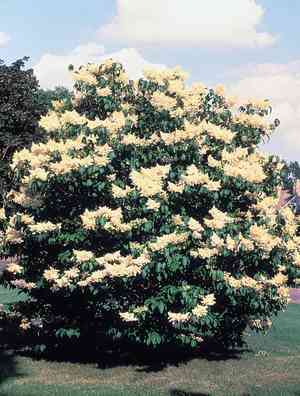
This leafy tree is distinguished by its off-white flowers and sturdy build. For japanese tree lilac, trimming ought to concentrate on eliminating deceased or injured limbs, sculpting the plant, and fostering air circulation. The ideal periods are late winter or early spring prior to the emergence of new shoots. It is vital to refrain from pruning when the sap is actively moving to prevent strain. Pruning boosts floral output and sustains plant well-being, but it should be kept to a minimum since japanese tree lilac reacts unfavorably to extensive cutting.
What Are the Benefits of Pruning Japanese Tree Lilac?
What Are the Benefits of Pruning Japanese Tree Lilac?
Trimming japanese tree lilac promotes robust development and maintains its desired shape. Deliberate cuts can encourage new, healthy shoots and prevent the plant from becoming overgrown.
What Is the Best Time for Pruning Japanese Tree Lilac?
What Is the Best Time for Pruning Japanese Tree Lilac?
Late winter and early spring are the ideal times for pruning japanese tree lilac, as these periods occur before the plant's active growth phase. During late winter, the plant is typically still dormant, making it easier to identify and remove dead or diseased wood without stressing the plant. Pruning at this time also reduces the risk of pest infestations and disease transmission that can happen in warmer weather. Early spring pruning, just before new growth begins, is beneficial because it allows the plant to heal quickly from cuts and direct its energy toward producing new shoots. Additionally, since japanese tree lilac blooms on old wood, pruning after the blooming period risks removing the next season's flower buds, making late winter and early spring perfect to avoid disrupting the flowering cycle.
What Tools Do I Need to Prune Japanese Tree Lilac?
Hand Pruners
Japanese tree lilac's smaller branches can be effectively trimmed with hand pruners. They provide precise cuts and are ideal for removing diseased or dead wood, thinning crowded branches, and shaping the plant.
Lopping Shears
For branches too thick for hand pruners, typically those between 1.5 and 2 inches in diameter, lopping shears are recommended. Their long handles offer the leverage needed to make clean cuts through japanese tree lilac's thicker growth.
Pruning Saw
When dealing with japanese tree lilac's mature branches thicker than 2 inches, a pruning saw is essential. This allows for cutting larger limbs with greater accuracy without damaging surrounding branches or the plant's main structure.
Pole Pruner
As japanese tree lilac can grow into a sizable tree, a pole pruner is useful for reaching higher branches without a ladder. This tool should be used carefully to maintain the natural shape and health of japanese tree lilac.
Garden Gloves
Gloves are a crucial accessory to protect the gardener's hands from cuts and scrapes while pruning japanese tree lilac.
Safety Glasses
To shield eyes from falling debris and dust when trimming japanese tree lilac, safety glasses should be worn.
How to Prune Japanese Tree Lilac
Clean Tools
Sanitize pruning shears and saws with a solution of 1 part bleach to 9 parts water to prevent disease spread.
Inspect japanese tree lilac
Examine japanese tree lilac to identify dead or diseased branches, which often appear discolored, withered, and may show signs of fungal growth or insect infestation.
Remove Dead Branches
Using secateurs or a pruning saw, carefully remove dead branches by cutting at their base where they meet healthy wood, being careful not to damage the collar, which aids in wound healing.
Remove Diseased Branches
Prune diseased branches by cutting well below the affected area, ensuring the cut is made in healthy, green tissue to fully eliminate potential pathogens.
Disinfect After Trim
Disinfect tools after each cut when dealing with diseased branches of japanese tree lilac to prevent contaminating healthy parts of the plant or other plants.
Common Pruning Mistakes with Japanese Tree Lilac
Over-Pruning
Removing too much growth can stress japanese tree lilac, leading to reduced flowering and potential dieback.
Improper Cuts
Making cuts too close to the trunk or leaving large stubs can hinder the healing process and encourage disease.
Pruning For Shape Only
Focusing solely on shaping japanese tree lilac without considering its health and natural structure can result in a weakened tree.
Neglecting Sanitization
Failing to sanitize pruning tools between cuts can spread pests and diseases to healthy areas of the tree.
Ignoring Weak Branches
Overlooking the removal of weak, damaged, or crossing branches can cause poor air circulation and light penetration, diminishing the treeâs vitality.
Strip Pruning
Removing significant portions of branches or all lower branches (lions-tailing or strip pruning) can cause sunscald and weaken japanese tree lilac's structure.
Common Pruning Tips for Japanese Tree Lilac
Selective Thinning
Thin out dense areas to improve air circulation and light penetration, which promotes healthy growth and flowering in japanese tree lilac.
Prune To Outward-Facing Buds
Make cuts at a slight angle above outward-facing buds to direct new growth away from the center of japanese tree lilac.
Tool Selection
Use sharp, clean pruning tools for clean cuts that heal quickly and reduce the risk of disease.
Gradual Rejuvenation
For an older japanese tree lilac, employ gradual rejuvenation by spreading out heavy pruning over several years to reduce stress on the tree.
Maintain Structure
Respect japanese tree lilac's natural form, pruning minimally to maintain or enhance its structure without over-manipulating it.
Aftercare
Water and mulch japanese tree lilac after pruning to support recovery and encourage vigorous growth.
Monitor And Respond
Regularly inspect japanese tree lilac for damaged or diseased branches and prune as necessary, regardless of the general pruning schedule.



