The Japanese tree lilac Plant Advantage: Maximizing Home and Office Appeal and Wellness
1
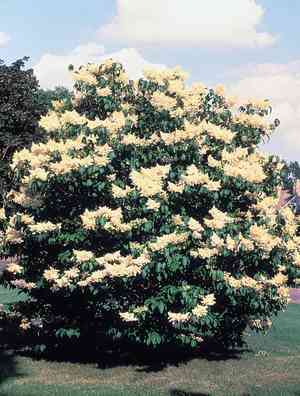
Widely favored as a decorative tree for its beautiful blooms.
2
Offers superb shade thanks to its wide and thick foliage.
3
Needs little upkeep and boasts a lengthy existence.
What Makes Japanese tree lilac Stand Out in Landscaping?
Aesthetic Appeal
A key allure of the Japanese tree lilac is its striking look. During its bloom period, the tree showcases clusters of creamy white blossoms that release a subtle, pleasant scent. These flowers enhance any garden or landscape with elegance and beauty. The tree's bark, which peels to reveal a reddish-brown hue, offers additional visual interest, especially in winter.
Versatile Design Element
The adaptable nature of the Japanese tree lilac makes it suitable for various garden styles. Whether you desire a classic, modern, or naturalistic garden, it integrates seamlessly. Its moderate size allows for use in smaller areas without overwhelming them, yet still making a significant impact.
How Does Japanese tree lilac Benefit Urban Environments?
Shade and Cooling
Japanese tree lilac is an excellent addition to urban settings due to its broad, dense canopy, which provides ample shade. This shade not only offers a cool retreat for pedestrians but also aids in cooling urban heat islands, making cities more livable. Planting these trees along streets and in parks can significantly lower ambient temperatures.
Pollution Mitigation
Another notable benefit of the Japanese tree lilac is its capacity to absorb airborne pollutants. Its leaves can capture dust, smoke, and other particulate matter, improving air quality. This makes the Japanese tree lilac an eco-friendly option for cities battling air pollution issues.
Why is Japanese tree lilac Low-Maintenance and Resilient?
Drought Tolerance
A prominent feature of the Japanese tree lilac is its ability to thrive with minimal water, making it perfect for arid regions. Once established, it requires very little irrigation, which is advantageous for areas with water restrictions. Its deep root system allows it to access subsurface moisture, ensuring survival during dry periods.
Pest and Disease Resistance
Japanese tree lilac is known for its strong resistance to pests and diseases, reducing the need for chemical treatments. This natural hardiness not only lowers upkeep costs but also makes the tree a safer choice for environments with children and pets. Its robust nature ensures it remains healthy and attractive with minimal intervention.
What Wildlife Does Japanese tree lilac Attract?
Pollinators
The fragrant blooms of the Japanese tree lilac draw in various pollinators, including bees and butterflies. This makes the tree an excellent choice for supporting local ecosystems and fostering biodiversity. Pollinators are vital for plant reproduction, and by planting Japanese tree lilac, you contribute to their habitats.
Birds and Small Mammals
Beyond pollinators, Japanese tree lilac also offers food and shelter for birds and small mammals. Its dense foliage provides nesting sites for birds, while its small seeds can be a food source for various species. This tree can create a mini-ecosystem in your garden, attracting and supporting a wide array of wildlife.
How to Incorporate Japanese tree lilac into Your Garden Design?
Placement Considerations
When integrating Japanese tree lilac into your garden, consider its mature size to ensure adequate growth space. Planting it where it receives full to partial sunlight will optimize its health and flowering. Avoid areas with heavy foot traffic, as soil compaction can hinder root development.
Companion Plants
Japanese tree lilac pairs well with various companion plants. Consider underplanting with ground covers or shade-tolerant perennials to create visual layers. Shrubs like hydrangeas or hostas can complement the tree’s flowers and foliage, enhancing your garden's overall aesthetic.



