Optimal Fertilizer for Growing Japanese tree lilac: What You Need to Know
1
Japanese tree lilac flourishes with a balanced spring fertilizer for best flowering.
2
Analyzing soil identifies missing nutrients, guiding proper feeding.
3
Natural fertilizers enhance soil composition, aiding Japanese tree lilac over time.
Understanding Nutrient Requirements for Japanese Tree Lilac
Essential Nutrients for a Japanese Tree Lilac
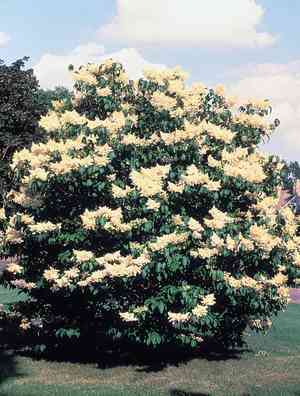
The Japanese tree lilac is a stunning deciduous tree, celebrated for its beautiful white blooms that adorn gardens from late spring to early summer. For optimal growth, it's vital to comprehend its nutritional needs. Primarily, this tree demands a balanced supply of nitrogen (N), phosphorus (P), and potassium (K), commonly known as N-P-K. Nitrogen promotes lush, green foliage; phosphorus aids strong root development and flower production, and potassium ensures overall plant vigor and disease resistance. Additionally, trace elements like magnesium and iron are also beneficial.
The Importance of Soil Analysis Before Fertilization
Prior to fertilizing your Japanese tree lilac, performing a soil test is essential. Soil analysis offers insights into nutrient levels, pH balance, and organic matter content in your soil. By understanding your soil's current state, you can select a fertilizer that addresses any deficiencies without excessive application, which can harm the tree and its surrounding environment. You'll need to collect a soil sample and submit it to a local extension office or utilize a home testing kit for evaluation. Customizing your fertilization strategy based on these findings ensures your tree receives precisely what it needs for healthy development and abundant blooms.
Selecting the Appropriate Fertilizer for Japanese Tree Lilac
Organic vs. Synthetic Fertilizers: Which is Preferable?
When it comes to nourishing your Japanese tree lilac, deciding between organic and synthetic fertilizers can be somewhat perplexing. Organic fertilizers, such as compost or well-rotted manure, originate from natural sources and introduce beneficial microorganisms to the soil, enhancing its structure and long-term fertility. Conversely, synthetic fertilizers are chemically formulated and deliver a rapid nutrient boost. While synthetic options can be more convenient and consistent in their compositions, organic fertilizers are more environmentally friendly and sustainable. For a balanced approach, many gardeners combine both, applying organic matter to improve soil health and using synthetic fertilizers for immediate nutritional requirements.
Recommended Fertilizer Types and Brands
Choosing the correct type of fertilizer is crucial for your Japanese tree lilac to thrive. Opt for a balanced fertilizer with an N-P-K ratio like 10-10-10 or 14-14-14. For organic choices, compost or a slow-release fertilizer such as Espoma Tree-Tone is highly recommended. Synthetic alternatives, including Miracle-Gro or Osmocote, are reputable brands known for their consistent quality. Always adhere strictly to the manufacturer's instructions to prevent over-fertilization, which can damage the tree's roots and hinder its growth.
Optimal Fertilization Timing for Japanese Tree Lilac
Seasonal Fertilizing: When to Apply for Best Growth
The ideal time to fertilize your Japanese tree lilac is in the spring, just as new growth commences. This timing aligns with the tree's natural growth cycle, enabling it to efficiently utilize nutrients for leaf, root, and flower development. Applying fertilizer in the spring helps prepare the tree for the blooming season, ensuring plentiful and healthy flowers. Avoid fertilizing late in the season, as this can stimulate new growth that may not harden before winter, making it susceptible to frost damage.
Fertilization Frequency Throughout the Year
While spring is the primary period for fertilizing the Japanese tree lilac, it's also important to consider the overall frequency of application. Typically, one application in early spring suffices for mature trees. However, younger trees or those exhibiting signs of nutrient deficiency might benefit from an additional light feeding in early summer. Always observe your tree's health and growth patterns to determine if more frequent fertilization is necessary. Excessive fertilization can lead to nutrient runoff and potential contamination of soil and waterways.
Proper Fertilizer Application for Japanese Tree Lilac
Step-by-Step Fertilizing Techniques
Accurate fertilizer application is vital for ensuring your Japanese tree lilac absorbs nutrients effectively. Here's a step-by-step guide:Determine the Root Zone: The root zone typically extends to the tree's drip line (the area beneath the outermost spread of the branches).Distribute Fertilizer Evenly: Spread the fertilizer uniformly across the root zone.Work into the Soil: Use a rake or hoe to incorporate the fertilizer into the top 2-5 cm (1-2 inches) of soil. This helps prevent runoff and ensures nutrients reach the roots.Water Thoroughly: Water the area well after fertilizing to help dissolve the nutrients and carry them into the soil where roots can access them.
Safety Precautions and Application Advice
Safety should always be a priority when applying fertilizer. Wear gloves and a mask to avoid direct contact with chemicals. Be aware of the potential for over-fertilization, which can harm the tree and the environment. Always follow the recommended application rates provided by the fertilizer manufacturer. To prevent root burn, never apply fertilizer too close to the trunk. Instead, distribute it around the drip line. Additionally, avoid fertilizing before heavy rain to prevent runoff into waterways.
Monitoring and Adjusting Fertilization Practices
Observing Plant Response and Growth Patterns
After fertilizing, closely observe your Japanese tree lilac to ensure it's responding well to the nutrients. Look for indicators of healthy growth, such as vibrant green leaves, robust flowering, and consistent growth rates. If you notice yellowing leaves, poor flowering, or stunted growth, these might signal nutrient imbalances or other issues. Regular monitoring allows you to identify and correct problems early, optimizing the tree's health and aesthetic appeal.
Adjusting Fertilization Based on Plant Health and Soil Conditions
Based on your observations and any soil test results, you may need to modify your fertilization practices. For instance, if soil tests indicate a deficiency in a particular nutrient, you can select a fertilizer that addresses this specific need. Conversely, if the tree shows signs of over-fertilization (e.g., excessive leaf growth with minimal flowering), you might need to reduce the application rate or frequency. Continuously refining your approach based on the tree's health and soil conditions ensures that your Japanese tree lilac receives optimal care for thriving growth.



