Enhancing Your Garden Design with the Japanese tree lilac Plant: A Landscaping Guide
1
The Japanese tree lilac greatly improves a landscape's look with its beautiful flowers.
2
When planting Japanese tree lilac, it's crucial to think about its size and development.
3
Proper upkeep and attention for Japanese tree lilac guarantees its long life and health.
Introducing the Visual Charm of Japanese Tree Lilac
Appearance: Size and Blossoms
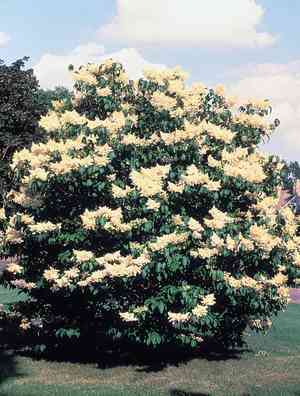
Japanese tree lilac distinguishes itself in any landscape due to its striking visual traits. Reaching heights of up to 30 feet, it showcases clusters of creamy-white flowers that emerge in late spring or early summer. These substantial flower groupings can extend up to a foot, creating a spectacular and eye-catching display.
Seasonal Hues and Transformations
Throughout the year, Japanese tree lilac offers dynamic visual appeal with its changing seasonal colors. In spring, its vibrant green foliage complements the prominent white blooms. By autumn, these leaves transition to a captivating yellow, adding a burst of color to the fall scenery.
Durability and Year-Round Interest
A notable characteristic of Japanese tree lilac is its long lifespan. With proper care, it can flourish for decades, providing continuous beauty. Even in winter, its attractive bark and branch structure offer a pleasant visual element, ensuring your garden remains appealing throughout the entire year.
Optimal Placement for Japanese Tree Lilac in Your Landscape
Prime Spots for Visual Impact
When incorporating Japanese tree lilac into your landscape, consider positioning it where it can act as a central feature. Near entrances or along pathways are excellent choices, as these areas allow its magnificent blooms to be fully enjoyed by visitors.
Space and Growth Considerations
Japanese tree lilac requires ample room to achieve its full potential, so account for its mature dimensions when planting. Ensure the tree isn't constrained by other plants or structures, as it needs space for both its height and width. This careful planning will guarantee healthy development and maximum visual appeal.
Companion Plants for Japanese Tree Lilac
Pairing Japanese tree lilac with other plants can enhance your garden's overall aesthetic. Consider planting low-growing shrubs or perennials beneath it that complement its seasonal colors. This can create a layered, harmonious look that is both visually pleasing and beneficial to the garden's ecosystem.
The Role of Japanese Tree Lilac in Ecological Benefits
Attracting Wildlife: Birds and Pollinators
Japanese tree lilac serves as a valuable asset to local wildlife. Its blossoms draw various pollinators, including bees and butterflies, which are vital for your garden's health. Additionally, birds may be attracted to the tree, finding shelter and sometimes nesting spots within its branches.
Improving Air Quality and Other Advantages
Beyond its beauty and wildlife attraction, Japanese tree lilac significantly contributes to better air quality. Trees like Japanese tree lilac absorb pollutants and release oxygen, making the environment healthier for both humans and animals. This enhances ecological balance and adds another layer of value to including Japanese tree lilac in your garden.
Care Guidelines for Japanese Tree Lilac
Pruning and Seasonal Maintenance
To maintain Japanese tree lilac's health and appearance, regular pruning is crucial. Prune in late winter or early spring before new growth begins. Remove any dead or diseased wood, and thin out crowded branches to allow more light and air penetration. This care helps promote vigorous growth and abundant flowering.
Watering and Fertilization Requirements
Adequate hydration is essential for Japanese tree lilac's well-being. Water it deeply during dry periods to ensure the roots receive sufficient moisture. Furthermore, fertilize annually with a balanced, slow-release fertilizer to provide necessary nutrients. This will support robust growth and a prolific bloom season.
Design Concepts: Integrating Japanese Tree Lilac into Modern and Traditional Gardens
Creating Focal Points with Japanese Tree Lilac
Utilizing Japanese tree lilac as a focal point in your garden can anchor the design and draw attention. Position it in a prominent spot where its full beauty can be appreciated. Its striking flowers and elegant form make it an ideal centerpiece in both formal and informal garden settings.
Harmonizing Japanese Tree Lilac with Diverse Garden Styles
Japanese tree lilac's adaptable aesthetic allows it to blend seamlessly into various garden styles, from contemporary to classic. In a modern garden, its clean lines and distinct blooms offer a touch of sophistication. Meanwhile, in traditional gardens, its timeless beauty complements other classic landscape elements.



