How to Propagate Japanese tree lilac?
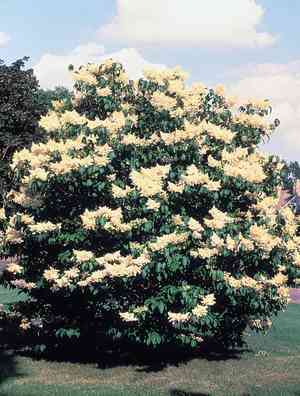
Syringa reticulata is a resilient decorative bush recognized for its clusters of ivory blossoms and distinctive bark. For propagation, select vigorous semi-hardwood cuttings from recently developed, somewhat hardened growth, making sure each cutting possesses at least one foliar node. A rooting stimulant can facilitate successful root development, and damp, adequately draining substrate offers an optimal environment. Steady hydration and diffused sunlight assist the cuttings in forming a robust root structure. Perseverance is crucial, as this procedure might require a period before transplantation becomes feasible.
Optimal Period for Japanese Tree Lilac Propagation
Propagation Method
Cutting
Propagation Period
Autumn,Winter
Tools for Japanese Tree Lilac Propagation
Sharp Pruning Shears
These shears are vital for making clean, precise cuts on japanese tree lilac branches. A clean cut is essential for a healthy start, reducing damage and potential infection points.
Rooting Hormone
Rooting hormone encourages faster root growth from japanese tree lilac cuttings. Applying it to the fresh cut base significantly boosts rooting success, crucial for its woody stem structure.
Sterile Potting Mix
A sterile potting mix ensures japanese tree lilac cuttings are planted in a disease-free environment, critical for initial root development. This medium provides necessary nutrients and aeration for healthy root growth.
Humidity Dome or Plastic Bags
Maintaining high humidity is important for japanese tree lilac cuttings to prevent moisture loss while roots develop. A humidity dome or covered plastic bag helps maintain required moisture levels.
Heating Mat
For japanese tree lilac, consistent warm soil temperature can improve root development speed and success. A heating mat provides gentle warmth, especially beneficial during cooler months or climates.
How to Propagate Japanese Tree Lilac?
Propagation Type
Moderately Difficult
Caring for Your Newly Propagated Japanese Tree Lilac
Caring for Your Newly Propagated Japanese Tree Lilac?
Once rooted, japanese tree lilac cuttings should be moved to individual pots with general potting soil to continue growth. Place young plants in full sun to partial shade and maintain consistent soil moisture without waterlogging. Protect from strong winds, and apply balanced fertilizer in early spring. Prune as needed to shape the tree and encourage air circulation. Monitor for pests or diseases, and treat appropriately for the overall health of japanese tree lilac.
Common Propagation Mistakes for Japanese Tree Lilac
Insufficient watering
Propagated japanese tree lilac cuttings need consistent moisture, but not waterlogging. Insufficient water can stress cuttings, hindering root development.
Excessive watering
Conversely, too much water can lead to fungal growth and root rot, potentially killing cuttings before establishment.
Using unhealthy parent plants
Taking cuttings from diseased or weak japanese tree lilac will likely result in poor propagation. Unhealthy parent plants cannot provide robust cuttings.
Neglecting cleanliness
Japanese tree lilac cuttings can become infected by bacteria or fungi if tools and pots are not properly sterilized, compromising propagation.
Ignoring wound care
Failing to properly treat wounds on japanese tree lilac after cuttings are taken can introduce diseases to the parent plant and impede healing.
Ignoring humidity requirements
Japanese tree lilac thrives in relatively high humidity, which supports new root growth. Neglecting this need may cause cuttings to dry out and die.
Tips for Propagating Japanese Tree Lilac
Use healthy parent plant
Select robust and vigorous parent japanese tree lilac for cuttings to ensure inherited health and vitality, boosting successful rooting.
Ensure high humidity
Maintain high humidity around japanese tree lilac cuttings using a humidity dome or frequent misting, which supports new root formation.
Sterilize equipment
Use sterilized tools and containers to prevent pathogen spread to japanese tree lilac cuttings, promoting a sanitary propagation environment.
Appropriate moisture balance
Provide a balanced watering regimen that keeps the soil moist but not soggy to prevent complications like root rot in japanese tree lilac cuttings.
Care for cut wounds
Treat wounded areas on the parent japanese tree lilac with appropriate wound paste to encourage healing and protect against diseases.
Rooting hormone use
Apply rooting hormone to japanese tree lilac cuttings to stimulate root development and increase the likelihood of successful propagation.



