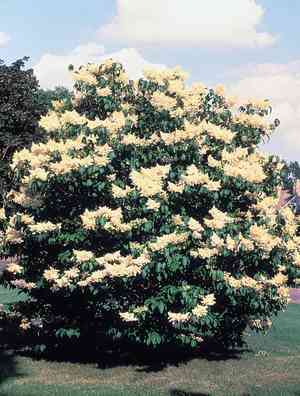
Japanese tree lilac (Syringa reticulata)
Also known as: Japanese lilac
The Japanese tree lilac, native to northern China, is an excellent choice for gardens and streetscapes. It flourishes best in full sun with moderate watering. This tree produces clusters of small, fragrant flowers in early summer. While generally hardy, the blooms can be vulnerable to damage from late frosts.
In This Article
Attributes of Japanese tree lilac
Lifespan
Perennial
Plant Type
Tree, Shrub
Plant Height
6 m to 9 m
Spread
4.5 m to 6 m
Leaf Color
Green
Flower Size
6-12 inches (flower clusters)
Flower Color
White Yellow
Images of Japanese tree lilac
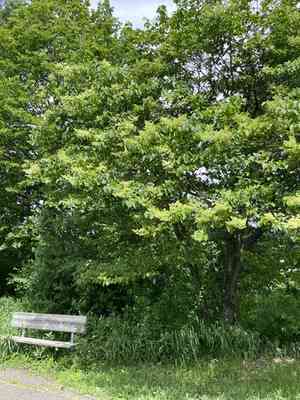
Quickly Identify Japanese tree lilac
1
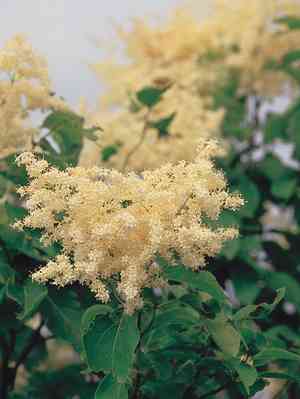
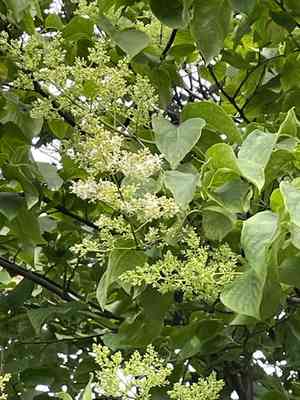
Creamy white, fragrant flower clusters measuring 6 to 12 inches (15 to 30 cm) in June.
2
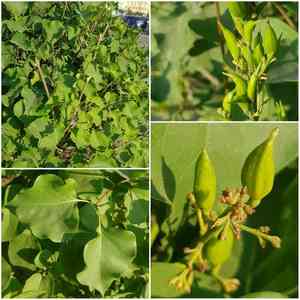
Distinctive warty, dry capsules transitioning from green to yellow, remaining through winter.
3
Stout, hollowed stem with glossy, shiny brown color and well-organized branching.
4
Dark green leaves with broad-ovate shape, pointed tips, and drooping habit.
5
Distinct bark with reddish-brown, scaly texture in youth, transitioning to gray and rough with age.
Scientific Classification of Japanese tree lilac
Phylum
Vascular plants
Class
Dicotyledons
Order
Lamiales
Family
Olive
Genus
Lilacs
Species
Japanese tree lilac
Planting and Growing of Japanese tree lilac
Care Difficulty
Easy
Watering Schedule
Every 2 days
Sunlight Requirements
Full sun
Sunshine Duration
6-10 hours
Ideal Temperature
60-75℉
Soil Type
Potting Mix, Peat Mix
Soil pH
6.5-7.5
Fertilizer Type
Balanced
Pruning Season
Spring, Summer
Pruning Area
Branches, Leaves
Pruning Frequency
2 times a year
Repotting Season
Spring
Pot Type
Plastic, Ceramic
 How to Water Japanese tree lilac?
The Japanese Tree Lilac, or Syringa reticulata, thrives when watered deeply but infrequently. Aim for about 2000ml per watering session, ensuring that water reaches the roots but does not sit on the surface, which could promote fungal growth.
More About Watering Techniques→
What are the symptoms of an underwatered Japanese tree lilac?
›
What should I do if my Japanese tree lilac is not getting enough water?
›
What are the symptoms of an overwatered Japanese tree lilac?
›
How to save an overwatered Japanese tree lilac?
›
 What Are the Sunlight Requirements for Japanese tree lilac?
Syringa reticulata prefers full to partial sun, benefiting from 6-8 hours of sunlight daily. Ideal lighting encourages vigorous growth, vibrant blooms, and optimal health, reducing the risk of diseases.
More About Sunlight Requirements Techniques→
What is the best lighting condition?
›
How to ensure ideal lighting?
›
Benefits of ideal lighting?
›
 What Is the Ideal Temperature Range for Japanese tree lilac?
Syringa reticulata thrives best when the ambient temperature is maintained between 60°F and 75°F. This range ensures optimal growth and flowering, providing the right balance between warmth and coolness that this plant species prefers.
 What Soil is Best for Japanese tree lilac?
Syringa reticulata thrives in nutrient-rich soil as it provides the essential minerals and elements needed for optimal growth and flowering. Ample nutrients translate into vibrant foliage and plentiful blooms, making nutrient-rich soil a cornerstone of successful lilac cultivation. Ensuring adequate drainage is crucial for Syringa reticulata, as standing water can lead to root rot. Utilizing well-draining soil helps maintain a balance where the roots can access moisture without being waterlogged, supporting healthy root systems and vigorous plant growth. This lilac prefers slightly alkaline soil, which enhances its ability to absorb nutrients effectively, leading to robust growth. By maintaining soil pH slightly on the alkaline side, gardeners can promote healthier and more resilient plants.
More About Soil→
 How to Fertilize Japanese tree lilac?
For Syringa reticulata, apply a balanced all-purpose granular fertilizer at the rate of about 1 pound per 100 square feet of soil around the plant's base. Liquid fertilizers should be used at half the recommended strength to avoid over-fertilization.
More About Fertilizing Techniques→
 How to Prune Japanese tree lilac?
Focus on cutting intersecting and old branches to open up the plant's center for better airflow and light penetration. Make angled cuts just above a node to encourage healthy new growth. While pruning, aim to maintain an open center and evenly distributed branches. This structure aids in the aesthetic appeal and helps in the overall health by preventing overlapping growth.
More About Pruning Techniques→
 How to Propagate Japanese tree lilac plant?
1
Collect ripe seeds from the capsules of Syringa reticulata in late summer or early autumn. Ensure the seeds are fully matured and have started to dry.
2
Select healthy and semi-hardwood stems in mid-spring. Cut segments that are 4-6 inches long using clean pruning shears. Remove leaves from the lower half to aid in root development.
3
For grafting, select a healthy rootstock and ensure the scion is of similar diameter. Make a clean cut and join them using grafting tape or clips to secure the connection.
 How to Repot Japanese tree lilac plant?
1
The ideal time to repot Syringa reticulata is during spring when the plant exhibits new growth signs. If you notice roots probing out from drainage holes or the soil drying out ridiculously fast after watering, it's repotting time.
2
Choose a pot that is one size larger than the current one, with sufficient drainage holes to prevent waterlogging. A slightly larger pot gives the roots room to expand while optimizing air circulation, crucial for plant health.
3
Opt for a well-draining loamy soil mix that improves moisture retention yet allows excess water to flow away. This balances the plant's need for nutrients and prevents root rot, facilitating robust growth.



