How to Prune Rose spirea?
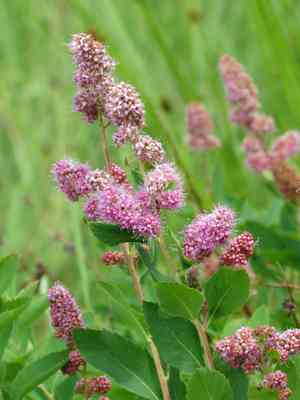
A leafy shrub recognized for its thick groupings of pink blossoms, rose spirea benefits most from trimming immediately following its flowering period in late spring or early summer. This practice stimulates fresh development and boosts subsequent blooms. Enhancing air circulation is achieved by reducing the oldest stalks at their base. Shortening elongated branches and eliminating frail or lifeless limbs preserves its structure and vitality. This horticultural practice yields a more attractive appearance and fosters healthier, more prolific flowers.
What Are the Benefits of Pruning Rose Spirea?
What Are the Benefits of Pruning Rose Spirea?
Trimming rose spirea promotes abundant blooming and aids in preventing pests and illnesses, ensuring a healthier and more visually appealing plant.
What Is the Best Time for Pruning Rose Spirea?
What Is the Best Time for Pruning Rose Spirea?
These periods are considered ideal for trimming rose spirea due to its growth pattern and flowering habits. Pruning in late spring, following the last frost, enables gardeners to remove any winter damage and shape the plant before its rapid growth phase. Early summer pruning is also advantageous as it stimulates new growth and can boost flowering since rose spirea typically blooms on new wood. This timing ensures the plant stays healthy and has ample time to recover and produce strong blooms in the subsequent season.
What Tools Do I Need to Prune Rose Spirea?
Hand Pruners
Perfect for trimming and shaping rose spirea due to their accuracy and ability to make clean cuts on smaller branches.
Loppers
Suitable for cutting thicker stems of rose spirea, which might be too sturdy for hand pruners but not large enough for a saw.
Pruning Saw
Recommended for removing mature, woody stems of rose spirea that are too thick for hand pruners and loppers.
Hedge Shears
Useful for shaping rose spirea when a more formal hedge appearance is desired, allowing for uniform trimming of new growth.
Gloves
Protective gloves are crucial to prevent scratches and irritation from rose spirea's stems during pruning.
Pruning Sealer
Though not a tool, applying a pruning sealer can help safeguard larger cuts on rose spirea from disease and pests.
How to Prune Rose Spirea
Step1: Optimal Timing for Pruning
Await the correct pruning period for rose spirea, typically late winter or early spring before new growth begins. This timing allows the plant to recover quickly without new growth being harmed by frosts.
Step2: Tool Disinfection
Begin by sanitizing your pruning tools to prevent disease spread. Disinfect shears or clippers with a solution of one part bleach to nine parts water.
Step3: Identification of Spent Blooms
Locate old flowers on rose spirea that have finished blooming and are past their prime. These will usually be brown and dried.
Step4: Deadheading at the Proper Angle
Using sharp, clean pruning shears, snip off the old flowers at the base of the bloom stalk. Make the cut at a 45-degree angle about 1/4 inch above a leaf bud to encourage new growth.
Step5: Shaping by Pruning Overgrown Shoots
Look for overgrown shoots that disrupt the symmetry or desired shape of rose spirea. Follow these shoots down to their point of origin on a main branch or to a junction with a healthier, shorter shoot.
Step6: Correct Cut Placement for Health
Prune overgrown shoots by making a clean cut at the junction, ensuring not to leave a stub as this can be an entry point for pests or diseases. Aim to maintain the natural shape of rose spirea.
Step7: Removal of Damaged Twigs
Find damaged twigs on rose spirea, which may appear broken, diseased, or discolored. These twigs can be detrimental to the overall health of the plant.
Step8: Trimming Back to Healthy Growth
Remove the damaged twigs by cutting them at their point of origin or back to a healthy side branch. Always make cuts just above a node, where the twig attaches to a branch, to facilitate healing and regrowth.
Step9: Post-pruning Symmetry Check
After pruning for flower removal, shape corrections, and damage removal, step back to assess rose spirea. Check for balance and symmetry, and make any further adjustments as necessary.
Step10: Debris Cleanup After Pruning
Clear away all debris from the pruning process, including dead flowers, shoots, and twigs. This helps prevent disease and keeps the area around rose spirea tidy.
Step11: Post-pruning Care: Watering and Fertilizing
Water rose spirea if the soil is dry and apply a balanced fertilizer to support healing and new growth after pruning, following product instructions.
Step12: Monitoring Plant Health Post-Pruning
Monitor rose spirea for new growth and health issues following pruning. Keep an eye on the pruning cuts for signs of disease and spray with a fungicide if necessary.
Post-Pruning Care for Rose Spirea
Post-Pruning Care for Rose Spirea
Immediately after trimming rose spirea, ensure it is well-watered to reduce stress. Place the plant in an area of partial sun, maintaining moderate humidity and avoiding temperature extremes to facilitate recovery. Apply a balanced fertilizer to replenish nutrients and promote new growth. Regularly inspect for signs of distress or disease, such as wilted leaves or discolored stems. If symptoms appear, adjust care and consult a horticulture expert for advice on possible treatments for rose spirea.
Common Pruning Mistakes with Rose Spirea
Avoid drastic over-pruning to prevent plant shock
Excessive pruning by cutting back rose spirea too severely can shock the plant and lead to poor growth or reduced flowering.
Use sharp, sterile tools for clean cuts
Pruning rose spirea with dull or unsanitized tools can result in jagged cuts that are susceptible to disease and may hinder recovery.
Remove dead and diseased wood to enhance air flow
Failing to remove dead, diseased, or crossing branches during pruning can impede air circulation and promote fungal infections or other diseases.
Common Pruning Tips for Rose Spirea
Precise cuts with clean shears for quick healing
Use sharp, clean pruning shears to make precise cuts on rose spirea, which will help the plant heal faster and reduce the risk of disease.
Prune oldest stems to ground to promote new growth
Focus on thinning out the oldest stems of rose spirea to ground level, encouraging new growth and maintaining a rejuvenated, youthful shrub structure.
Trim stem tips on young plants for bushiness and blooms
Cut back the tips of the stems on younger rose spirea plants to promote bushiness and to encourage more flowers since rose spirea blooms on new wood.



