Optimal Fertilizer for Growing Rose spirea: What You Need to Know
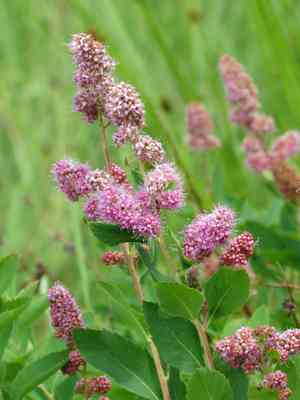
1
After fertilizing your Rose spirea, water it deeply to avoid damaging the roots.
2
Over time, organic compost improves soil quality and gradually releases essential nutrients.
3
Test your soil every 2-3 years to monitor nutrient content and pH levels.
Grasping the Nutritional Requirements of Rose spirea
Identifying Essential Nutrients for Rose spirea
To cultivate the vibrant blossoms and rich foliage of your Rose spirea, comprehending its fundamental nutrient demands is crucial. Similar to many flowering shrubs, Rose spirea flourishes with a balanced intake of nitrogen (N), phosphorus (P), and potassium (K). Nitrogen supports leaf development, phosphorus is vital for root growth and flowering, and potassium boosts overall plant vigor and disease resistance.
The Significance of NPK Ratios for Rose spirea Health
The NPK ratio on a fertilizer package indicates the proportions of nitrogen, phosphorus, and potassium. For Rose spirea, a balanced fertilizer like 10-10-10 or 12-12-12 generally performs well. These figures ensure the plant receives equal amounts of these critical nutrients, fostering comprehensive development from roots to flowers.
Recognizing Symptoms of Nutrient Deficiencies in Rose spirea
Observing signs of nutrient deficiency can rescue your Rose spirea before problems escalate. Yellowing leaves might signal a nitrogen shortage, while poor blooming could indicate insufficient phosphorus. Curled leaves and weak stems may be symptoms of inadequate potassium. Promptly addressing these indicators with proper fertilization helps sustain plant health.
Selecting the Appropriate Fertilizer for Rose spirea
Comparing Organic vs. Synthetic Fertilizers for Rose spirea
The choice between organic and synthetic fertilizers depends on your gardening objectives. Organic fertilizers, such as compost or aged manure, enhance soil structure and provide a gradual release of nutrients. Synthetic fertilizers offer precise nutrient ratios and immediate availability, but frequent use can degrade soil. Consider a balanced approach for maximum benefits.
Optimal Time of Year to Fertilize Rose spirea
Spring is the ideal season to fertilize Rose spirea. As the plant emerges from winter dormancy and begins new growth, it will most benefit from a nutrient boost. Apply fertilizer in early spring, just as new shoots begin to appear, ensuring the plant receives adequate nourishment for robust growth.
Application Methods for Effective Fertilization
Successful fertilization begins with correct application techniques. Distribute granular fertilizers evenly around the plant's base, avoiding direct contact with stems. Liquid fertilizers can be diluted and applied with a watering can, ensuring thorough but not excessive coverage. Always water the soil after fertilizing to aid nutrient distribution.
Maintaining Soil Health for Rose spirea
Balancing Soil pH for Rose spirea
Soil pH significantly impacts nutrient availability for Rose spirea. This plant prefers slightly acidic to neutral soil, with a pH range of 6.0 to 7.0. Use a soil pH test kit to periodically check levels and amend the soil with lime to increase pH or sulfur to decrease it, ensuring optimal growing conditions.
Improving Soil Texture and Drainage
Beyond pH, soil texture and drainage are crucial for Rose spirea health. Poor drainage can lead to root rot, while overly sandy soils may dry out quickly. Incorporate organic matter like compost or peat moss to enhance both water retention and drainage, creating a balanced environment for root development.
Regular Soil Testing to Optimize Fertilizer Use
Conducting routine soil tests helps you understand your soil's nutrient profile and pH balance. Soil tests every 2-3 years can reveal specific nutrient deficiencies or excesses. This ensures you apply the correct amount and type of fertilizer, preventing unnecessary applications and promoting optimal plant health.
Monitoring Rose spirea After Fertilization
Detecting Signs of Over-Fertilization
Excessive fertilization can be as detrimental as insufficient fertilization. Symptoms include leaf burn, where leaf edges turn brown, and excessive salt accumulation on the soil surface. If these signs appear, flush the soil with ample water to remove excess salts and pause fertilization until the plant recovers.
Adjusting Fertilization Practices Based on Plant Response
Observing your Rose spirea's reaction to fertilization helps refine your methods. If the plant shows vigorous growth and vibrant blooms, your fertilization routine is effective. If growth is poor or symptoms of nutrient imbalance emerge, adjust the fertilizer type or amount to meet your plant's evolving needs.
Long-Term Care Advice for Fertilized Rose spirea
For sustained care, continue regular soil testing, monitor for nutrient deficiencies or excesses, and apply mulch annually to conserve moisture and suppress weeds. Balance fertilization with organic soil amendments to maintain soil health. Prune your Rose spirea in late winter to encourage new growth and remove any dead or diseased wood.



