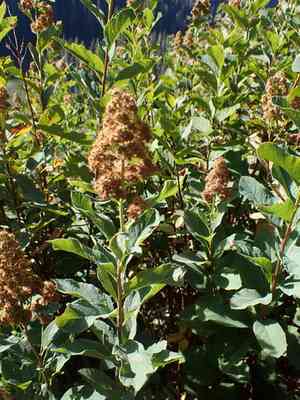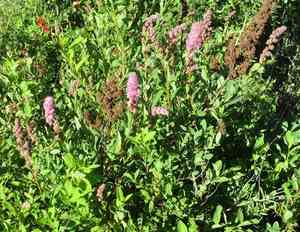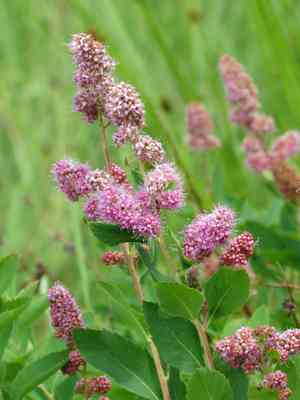
Rose spirea(Spiraea douglasii)

Rose spirea (Spiraea douglasii)

Also known as: Douglas' spirea, Western spirea, Hardhack steeplebush

Roses, a member of the Rosaceae family, flourish in locations with ample direct sunlight, ideally receiving 6-8 hours daily. They prefer well-drained, fertile soil with a slightly acidic to neutral pH (6.0-7.0). Consistent watering and mulching aid in maintaining optimal soil conditions. Regular pruning encourages robust growth and abundant blooms.

For vase arrangements:
1. Trim the stems at a 45-degree angle with sharp, clean scissors or shears.
2. Remove any leaves that would be submerged to prevent bacterial growth.
3. Place the roses in a clean vase with fresh, room-temperature water.
4. Use flower food to extend the lifespan of the blooms.
5. Change the water every 2-3 days, re-trimming the stems each time.

Following these guidelines ensures that roses thrive in both the garden and in floral displays.

Attributes of Rose spirea

Lifespan
Perennial
Plant Type
Shrub
Plant Height
1 m to 2 m
Spread
90 cm to 1.8 m
Leaf Color
Green
Flower Size
1 mm to 2 mm
Flower Color
Pink Purple

ForwardPlant - Identify plants with a snap

Identify and diagnose plants, get toxicity alerts, and explore safety guides for all types of fungi.

Try for Free

Images of Rose spirea

Rose spirea(Spiraea douglasii)

Quickly Identify Rose spirea

1
Look for dense clusters of small pink to rose-colored flowers at the branch tips. The leaves are narrow, lance-shaped, and toothed. The shrub has a height of up to 2 meters. The stems are woody and can form dense thickets.

Scientific Classification of Rose spirea

Phylum
Vascular plants
Class
Dicotyledons
Order
Rosales
Family
Rose
Genus
Spirea
Species
Rose spirea

Planting and Growing of Rose spirea

Care Difficulty
Easy
Watering Schedule
Every 4 days
Sunlight Requirements
Full sun
Sunshine Duration
6-10 hours
Ideal Temperature
50-77℉
Soil Type
Potting Mix, Peat Mix
Soil pH
6.5-7.5
Fertilizer Type
Balanced
Pruning Season
Spring, Summer
Pruning Area
Branches, Leaves
Pruning Frequency
2 times a year
Repotting Season
Spring
Pot Type
Plastic, Ceramic

water icon How to Water Rose spirea?

When watering Spiraea douglasii, a good principle to follow is to ensure the soil is moist but not waterlogged. You should provide approximately 500 ml of water each time, ensuring the top inch of the soil feels damp to the touch. The goal is to moisten the root zone without causing excess water to pool, preventing root rot.
What are the symptoms of an underwatered Rose spirea?
What should I do if my Rose spirea is not getting enough water?
What are the symptoms of an overwatered Rose spirea?
How to save an overwatered Rose spirea?
More About Watering Techniques

sunlight icon What Are the Sunlight Requirements for Rose spirea?

Sunlight Requirements: Full sun, Partial sun
Duration of light: 4 to 6 hours
4 to 6 hours of daily sun exposure ensures robust flowering and maintains vigorous foliage growth. Adequate light keeps the plant healthy and aesthetically appealing.
What is the ideal lighting condition for Spiraea douglasii?
How to achieve this ideal lighting condition?
What happens if the plant gets ideal lighting?
More About Sunlight Requirements Techniques

temperature icon What Is the Ideal Temperature Range for Rose spirea?

Ideal Temperature: 50 ~ 77℉
The ideal temperature range for Spiraea douglasii is between 50°F and 77°F. Within this range, the plant can thrive and show optimal growth and blooming. Consistent temperatures in this bracket ensure effective metabolic rates and healthy photosynthesis, promoting strong and vibrant foliage. Deviations from this range may cause stress, impacting the plant's overall health.

soil icon What Soil is Best for Rose spirea?

Soil type: Loam, Sandy loam
Soil PH: 6.5 ~ 7.5
Spiraea douglasii thrives in well-draining soils that prevent water from accumulating. This drainage capability helps avoid root rot, promoting a healthy root system and vigorous growth. This plant prefers soils with moderate fertility. The presence of essential nutrients supports robust flowering and leaf development, leading to a lush and attractive appearance. A pH range of 6.5 to 7.5 is ideal for Spiraea douglasii, as it ensures optimal nutrient availability. This pH balance helps in maximizing the plant’s growth potential and maintaining overall health. More About Soil

fertilize icon How to Fertilize Rose spirea?

Fertilizer type: Balanced
For Spiraea douglasii, an appropriate amount of fertilizer is crucial. Use a liquid fertilizer mixed following the manufacturer's instructions, typically at a quarter strength to prevent fertilizer burn. Solid slow-release fertilizers should be used sparingly with about a teaspoon per plant to supplement nutrition over time. More About Fertilizing Techniques

prune icon How to Prune Rose spirea?

Pruning Time: Spring, Summer, Autumn
Start by removing any dead, damaged, or diseased branches. This encourages healthy growth and enhances air circulation within the shrub. Focus on cutting back to healthy wood to stimulate rejuvenation. Identify and remove a portion of the oldest stems each year. This strategy opens up the center of the shrub and encourages new, vigorous shoots, enhancing the natural airy shape of the Spiraea douglasii. While maintaining its natural form, gently shape the plant to control size and prevent unwanted overgrowth. Avoid harsh lines; instead, aim for a gently curving silhouette that matches its inherent characteristics. More About Pruning Techniques

propagate icon How to Propagate Rose spirea plant?

Propagate Time: Spring, Early summer
1
Start by collecting mature seeds from existing plants. Clean them of any surrounding plant material. Store in a cool, dry place until you are ready to plant. This step is crucial to ensure the seeds are in optimal condition for germination.
2
Select healthy branches, ideally from the current year's growth. Cut a 4-6 inch section at a slight angle. Remove lower leaves and any buds to focus energy on root development. This helps the cutting to root effectively.
3
Carefully dig up the mature plant and gently separate the roots. Make sure each new section has a good set of roots and shoots. Replant immediately to reduce stress on the plants.
More About Propagating Techniques

repot icon How to Repot Rose spirea plant?

Repotting frequency: Every 2-3 years
1
Consider repotting Spiraea douglasii when it exhibits stunted growth, becomes root-bound, or when roots appear through drainage holes. These signs indicate that the plant needs more space and fresh nutrients to thrive.
2
Select a pot slightly larger than the current one, with ample drainage holes. This prevents waterlogging, allowing excess water to escape and providing space for root expansion. A well-selected pot promotes health and vigorous growth.
3
Opt for a loamy, well-drained soil mix. This soil ensures adequate drainage while retaining enough moisture, preventing root rot and facilitating nutrient absorption. The right soil supports robust root development and flourishing foliage.

ForwardPlant - Identify plants with a snap

Find the best spots for them to optimize their health, simply using your phone.

Try for Free