Enhancing Your Garden Design with the Rose spirea Plant: A Landscaping Guide
1
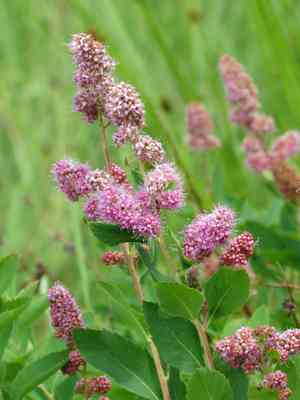
Rose spirea enhances the aesthetic appeal of various garden designs, from structured to relaxed.
2
Integrating Rose spirea contributes to environmentally friendly gardening methods.
3
Correct positioning and maintenance of Rose spirea guarantee its best development and visual appeal.
Introduction to Landscaping with Rose Spirea
Understanding the role of Rose spirea in landscaping
Landscaping involves more than just planting flowers; it's about crafting a cohesive, pleasant environment that aligns with your aesthetic and practical needs. Rose spirea is crucial in this process due to its distinct characteristics. This adaptable plant functions as an elegant border or central feature, providing both color and texture. Its capacity to adapt to diverse climates and soil types makes it a valuable asset for many garden designs.
Benefits of integrating Rose spirea into garden designs
Gardening with Rose spirea provides several advantages. It not only adds visual appeal with its lovely blossoms but also draws in pollinators like bees and butterflies, enriching the local ecosystem. Furthermore, Rose spirea can serve as a privacy screen or hedge, contributing to your garden's overall structure. Its low-maintenance nature and disease resistance make it a practical option for both new and experienced gardeners.
Getting started with Rose spirea: Where to plant and initial considerations
Selecting the appropriate site for Rose spirea is vital for its development. It flourishes best in well-drained soil and prefers full sun, though it can endure partial shade. Before planting, consider the mature size of Rose spirea to ensure it fits well within your garden layout. Begin by loosening the soil and incorporating some compost to provide optimal nutrient balance.
Designing Your Garden's Layout with Rose Spirea
Creating focal points using Rose spirea
Garden focal points capture attention and generate visual interest. Rose spirea's vibrant blooms and lush foliage make it an excellent choice for this purpose. Consider placing it at the center of a flowerbed or as a solitary specimen in a prominent spot. Its striking display will command attention and enhance your garden's aesthetic appeal.
Complementary plants that work well with Rose spirea
Rose spirea pairs beautifully with various plants. For a harmonious look, consider combining it with other shrubs that share its light and soil requirements. Ornamental grasses, perennials like lavender, and flowering plants such as coneflowers can complement Rose spirea's texture and color. This not only enriches the visual palette but also fosters a biodiverse and resilient garden.
Spacing and placement tips for optimal growth and aesthetic appeal
Providing adequate space between Rose spirea and other plants is important for both visual appeal and healthy growth. Spacing them about 3-5 feet apart allows for air circulation, which helps prevent diseases. Additionally, consider the visual balanceâarrange plants in odd numbers and in various groupings to create a natural, flowing garden design.
Maintenance Tips for Prolonging the Beauty of Rose Spirea
Seasonal care tips for Rose spirea
Seasonal care is crucial for maintaining the health and beauty of Rose spirea. In the spring, prune back any dead or damaged branches to encourage new growth. During the summer, keep the soil moist but not waterlogged, and apply mulch to retain moisture. In the fall, cut back spent flowers to tidy up the plant, and add compost to enrich the soil. Winter care involves protecting the base with mulch to prevent frost damage.
Common issues to watch for in Rose spirea
While Rose spirea is relatively low-maintenance, it's still susceptible to certain issues. Watch out for signs of powdery mildew, which appears as white powder on leaves and stems. Aphids can also be a problem, indicated by deformed or yellowing leaves. Early detection and treatment, like using neem oil or insecticidal soap, can help manage these issues effectively.
Optimizing growth conditions for Rose spirea
To optimize growth, provide Rose spirea with well-draining soil and regular watering, especially during dry spells. A balanced fertilizer applied during the growing season can supply necessary nutrients. Also, ensure adequate sunlight exposure, as it significantly impacts the abundance of blooms. By meeting these conditions, you can help Rose spirea reach its full potential in your garden.
Rose Spirea in Different Landscaping Styles
Using Rose spirea in formal garden settings
Rose spirea can add a refined look to formal garden settings. Its structured form and prolific blooming can unify a design, providing symmetry and a touch of elegance. Use it in well-defined borders or geometric patterns to maintain a clean, organized aesthetic.
Incorporating Rose spirea into casual or cottage-style gardens
In a casual or cottage-style garden, Rose spirea offers a burst of natural beauty. Its relaxed form fits perfectly into more free-form, informal designs. Pair it with other colorful, sprawling perennials and herbs to create a charming, rustic vibe reminiscent of an English countryside.
Examples of innovative ways to include Rose spirea in modern landscapes
For modern landscapes, Rose spirea can be used in creative ways to add texture and color. Consider using it in a mixed shrub border, alongside minimalist architectural plants to create visual contrast. Its vibrant blooms can also soften the hard lines of contemporary hardscaping or be featured in vertical gardens for a fresh, innovative look.
Incorporating Rose Spirea into Eco-friendly Landscaping
Benefits of using Rose spirea for sustainable landscaping
Rose spirea offers numerous benefits for sustainable landscaping. Its ability to thrive with minimal inputs makes it an eco-friendly choice. It also supports local wildlife, providing nectar for pollinators and acting as a habitat for birds. Integrating Rose spirea into your landscape can reduce the need for chemical fertilizers and pesticides, promoting a healthier garden ecosystem.
Pairing Rose spirea with native plants to foster biodiversity
Pairing Rose spirea with native plants can significantly enhance biodiversity in your garden. Native plants are adapted to the local environment and help attract native wildlife. Coupling Rose spirea with these plants can create a resilient, self-sustaining ecosystem. Consider plants like native grasses, wildflowers, and fellow shrubs that share similar growing conditions.
Water conservation practices with Rose spirea
Rose spirea is relatively drought-tolerant once established, making it suitable for xeriscaping and other water conservation practices. During dry periods, water deeply but infrequently to encourage deep root growth. Mulching around the base of Rose spirea can also help retain soil moisture, reduce weed growth, and improve soil health, all of which contribute to water conservation.



