How to Overwinter Rose spirea
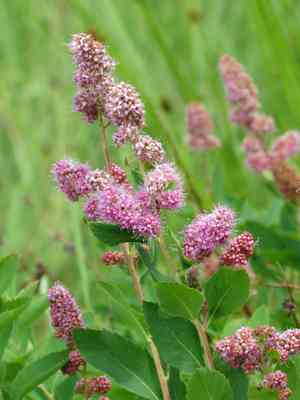
1
Rose spirea tolerates cold well, making it suitable for chilly regions.
2
Trimming and applying mulch are crucial for winterizing Rose spirea.
3
Check your Rose spirea for common winter pests such as aphids and spider mites.
Winter Preparation for Rose spirea
Winter Preparation for Rose spirea
Cold weather can be tough on many plants, but with some preparation, your Rose spirea can flourish. Start by ensuring the plant is healthy as it approaches the colder months. Look for any indications of disease or pest infestations and treat them as needed. It's also wise to tidy the garden area around your Rose spirea, clearing away any fallen leaves or debris that could harbor pests or fungal spores.
Pruning Rose spirea Before Winter
Optimal Pruning Time for Health
The ideal time to prune your Rose spirea is in late autumn, after its growth cycle has ended but prior to the first severe frost. This timing helps prevent plant shock and ensures it's in the best possible state as winter arrives.
Correct Pruning Techniques
When pruning, use sharp, clean shears to remove any dead or diseased branches. Cut back overgrown sections to maintain the plant's shape and air circulation. Aim to trim about one-third of the plant's total size to encourage robust new growth in the spring. Remember to discard or compost the cuttings to prevent disease spread.
Mulching Rose spirea to Protect Roots
Mulch Varieties to Utilize
Several types of mulch can be used to safeguard your Rose spirea. Organic mulches such as wood chips, straw, or compost are excellent choices as they also enrich the soil upon decomposition. A layer of mulch 8-10 cm (3-4 inches) thick is usually sufficient.
Proper Mulching Methods
Distribute the mulch evenly around the plant's base, ensuring it covers the root zone but doesn't touch the stem. This helps prevent rot and promotes better air circulation. Replenish the mulch layer periodically throughout winter to maintain its protective qualities.
Winter Watering Requirements
How Much Water Does Rose spirea Need?
During winter, Rose spirea requires less water than during its active growth period. Water the plant deeply before the ground freezes to ensure roots have sufficient moisture. Afterward, water sparingly, perhaps every 4-6 weeks if there's no rain or snow.
Signs of Over or Under-watering
Excessive watering can lead to root rot, especially in winter when plants are dormant. Symptoms of overwatering include yellowing leaves and moldy soil, while insufficient watering can cause brittle, dry branches. Adjust your watering schedule based on these indicators to maintain plant health.
Protecting Rose spirea from Winter Pests
Common Winter Pests
Winter pests that can affect Rose spirea include aphids, spider mites, and scale insects. These pests can remain active during colder months and cause damage if not properly managed.
Natural Pest Control Approaches
To combat winter pests, employ natural pest control methods like horticultural oils or insecticidal soaps. These treatments are gentler on the plant and the environment. Regularly inspect your Rose spirea for pest signs and treat promptly to prevent infestations.
Monitoring Rose spirea During Winter
What to Observe
Throughout winter, regularly check your Rose spirea for signs of stress or damage. Look for broken branches, evidence of animal browsing, or any unusual changes in the plant's appearance. Early problem detection allows for swift action.
Actions to Take if Problems Arise
If you notice any issues with your Rose spirea, act immediately. Trim damaged branches, apply suitable pest treatments, and adjust care routines as needed to address the problems. Consistent monitoring and timely care can significantly impact your plant's health come spring.



