How to Propagate Rose spirea?
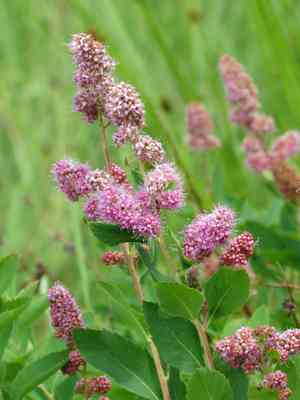
Rose spirea is most effectively propagated via cuttings or layering in the fall or winter. While some challenges might arise, the emergence of new shoots signifies successful propagation. Essential advice: Ensure sufficient hydration and a growing medium that drains effectively.
Optimal Time for Rose Spirea Propagation
Propagation Method
Cutting
Propagation Period
Autumn,Winter
Tools for Rose Spirea Propagation
Pruning Shears
Sharp pruning shears are crucial for taking rose spirea cuttings. They ensure clean cuts, which are vital for healthy rooting and minimizing disease risk.
Rooting Hormone
Applying rooting hormone to the base of rose spirea cuttings promotes quick and robust root formation. This product enhances root development, increasing propagation success.
Sterilizing Agent
A sterilizing agent, such as rubbing alcohol or a bleach solution, is used to sanitize pruning shears before and after taking cuttings. This prevents the spread of diseases among plants.
Propagation Tray
A propagation tray enables organized growth of multiple cuttings and helps regulate moisture, which is essential for rose spirea's rooting process. Trays with drainage holes are preferred to avoid waterlogging.
Growing Medium
A suitable growing medium, like a peat and perlite blend, offers the necessary support and aeration for new rose spirea roots. It should drain well yet retain enough moisture.
Plastic Dome or Cover
A plastic dome or cover can be placed over the propagation tray to create a high-humidity environment, which benefits rooting rose spirea cuttings. It mimics a mini-greenhouse effect.
Heat Mat
A heat mat gently warms the base of the propagation tray, encouraging faster root growth in rose spirea cuttings by providing a consistent, ideal temperature, especially during colder months.
Caring for Newly Propagated Rose Spirea
Caring for Newly Propagated Rose Spirea
Once rose spirea has rooted successfully, gradually introduce the new plants to outdoor conditions over a week. Transplant them into a sunny or partially shaded spot with well-draining soil. Water consistently to keep the soil moist, but not waterlogged, and apply mulch to retain moisture. Lightly prune rose spirea after flowering to maintain shape and encourage new growth, and apply a balanced fertilizer in spring.
Common Errors to Avoid When Propagating Rose Spirea
Overwatering cuttings
Rose spirea cuttings need moist conditions but can easily rot if the soil is too wet. Excessive watering can lead to fungal issues and poor root development.
Neglecting humidity
Failing to maintain high humidity around rose spirea cuttings can cause them to dry out before rooting, jeopardizing propagation success.
Incorrect soil mix
Using a soil mix that lacks proper drainage or the right nutrient balance can impede root growth and the overall health of rose spirea.
Using non-sterile tools
Rose spirea cuttings are susceptible to diseases; using unsterilized tools can introduce pathogens that may kill the cuttings before they root.
Inadequate light
While rose spirea cuttings should be kept out of direct sunlight, they still need sufficient light to establish roots, and insufficient light can slow or prevent rooting.
Tips for Propagating Rose Spirea
Correct moisture levels
Maintain consistently moist soil when rooting rose spirea cuttings to prevent rot while promoting root development.
Provide humidity
Use a plastic cover or humidity dome to maintain high humidity around rose spirea cuttings, which encourages rooting without the cuttings drying out.
Appropriate soil mix
Use a well-draining, nutrient-rich soil mix for rose spirea cuttings to facilitate strong root growth and support the plant's overall health.
Sterilize tools
Sterilize pruning shears and other tools with alcohol or bleach solution before cutting rose spirea stems to prevent disease transmission.
Optimal lighting
Place rose spirea cuttings in bright, indirect light to provide the energy needed for rooting without the stress of direct sunlight.



