How to Prune Cider gum?
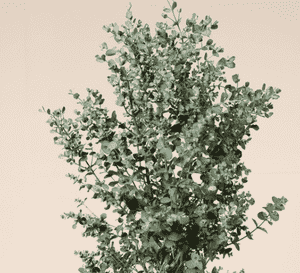
Recognized for its fragrant leaves and exfoliating bark, Eucalyptus gunnii enhances outdoor spaces. Trimming primarily involves eliminating deceased branches, sculpting, and managing dimensions, preferably executed in the colder months to lessen strain and prevent excessive sap drainage. Deliberate cuts foster robust development and preserve an appealing structure. For this particular variety, pruning additionally prevents ailments by boosting air movement. Cultivators gain from its uncomplicated upkeep, boosting both the tree's vitality and aesthetic appeal.
What Are the Benefits of Pruning Cider Gum?
What Are the Benefits of Pruning Cider Gum?
Trimming cider gum promotes robust development by encouraging fresh, healthy leaves. Consistent cutting helps maintain its desired form and dimensions, improving its visual appeal and preventing excessive growth.
What Is the Best Time for Pruning Cider Gum?
What Is the Best Time for Pruning Cider Gum?
This period is considered ideal because cider gum is inactive, which lessens stress and the chance of disease spread. Winter pruning aligns with the plant's natural growth cycle, allowing it to seal wounds before spring's active growth. It also prevents cutting off new buds or flowers that emerge in other seasons, ensuring that cider gum's decorative and fruit-bearing qualities are not harmed.
What Tools Do I Need to Prune Cider Gum?
Hand Pruners
Perfect for trimming smaller branches of cider gum, typically those less than half an inch thick. They provide precise cuts without putting too much strain on the plant's limbs.
Loppers
Suitable for cutting branches up to 1.5 inches in diameter. Their long handles offer leverage to easily cut through cider gum's moderately thick branches and are especially useful for reaching higher limbs.
Pruning Saw
Essential for cutting through cider gum's larger branches that exceed 1.5 inches in diameter. The saw's teeth can handle the wood's toughness while making accurate cuts.
Pole Pruner
Helpful for reaching the taller parts of cider gum without needing a ladder. It combines a saw and lopper, allowing both cutting and sawing from the ground.
Gloves
Thick protective gloves should always be worn to shield hands from cider gum's rough bark and oils, which can cause irritation.
How to Prune Cider Gum
Step1: Tool Sanitization
Disinfect your pruning tools. Before you begin, clean your pruning shears with a solution of 1 part bleach to 9 parts water to prevent the transfer of diseases from other plants to cider gum.
Step2: Dead Wood Inspection
Examine cider gum for any dead wood. These branches will often appear dry, be brittle, and have a different color than healthy wood. Dead wood typically won't show any green under the bark when lightly scratched.
Step3: Pruning Dead Wood
Trim dead wood at the point where it meets healthy wood. Make the cut at a slight angle, about 1/4 inch above a bud or branching point to encourage vigorous new growth.
Step4: Disease Branch Identification
Identify any diseased branches. Signs of disease include unusual discoloration, cankers, or the presence of fungi. Isolate these from the rest of the plant as you work to avoid contaminating healthy parts.
Step5: Removing Diseased Branches
Remove diseased branches by making a clean cut back to healthy tissue. Ensure that the cut is made well beyond the affected area to prevent the disease from spreading.
Step6: Shape Assessment
Evaluate the shape of cider gum. Determine which branches are altering the desired shape or are crossing over and creating density that could lead to poor air circulation.
Step7: Selective Branch Shaping
For shaping, select branches that are contributing to an unbalanced appearance. Cut these branches at their origin point or to the nearest lateral branch that is growing in the desired direction.
Step8: Collar-Adjacent Shaping Cuts
Make shaping cuts just outside the branch collar to maintain the health of cider gum. The branch collar is the swollen area of trunk tissue that forms around the base of a branch.
Step9: Ongoing Shape Evaluation
Throughout the pruning process, periodically step back to assess the overall shape of cider gum. Ensure that the canopy is evenly thinned and that you are not over-pruning, as removing more than 25% of live foliage could stress the plant.
Step10: Pruning Debris Cleanup
Clear away all cuttings from around cider gum to reduce the risk of disease and pests. Dispose of diseased material properly and do not compost.
Post-Pruning Care for Cider Gum
Post-Pruning Care for Cider Gum
Immediately after pruning cider gum, water generously to aid healing. Ensure cider gum receives ample light but protect it from harsh direct sun for the first few days. Maintain ambient humidity and a stable temperature; avoid drastic changes that stress the plant. Apply a balanced fertilizer to support new growth, but delay heavy feeding until cider gum shows signs of recovery. Regularly inspect cuts for infection or pest infestation. Should any abnormalities arise, treat promptly with an appropriate fungicide or pesticide.
Common Pruning Mistakes with Cider Gum
Avoid Hard Pruning into Old Wood
Pruning too severely into old wood can be harmful, as cider gum has a limited capacity to sprout from mature growth. This can result in a poorly formed tree or even kill the plant.
Don't Remove Excessive Foliage Simultaneously
Removing too much foliage at once can stress cider gum, leading to weakened defenses against pests and diseases, as well as reduced vigor and stunted growth.
Cut Crossing or Rubbing Branches Promptly
Failing to remove crossing or rubbing branches may result in wounds that can serve as entry points for pathogens, and hinder the development of a well-structured, healthy canopy.
Common Pruning Tips for Cider Gum
Use Sharp, Clean Tools for Clean Cuts
Use sharp and clean pruning tools to make precise cuts, which help cider gum heal faster and reduce the risk of disease.
Prune in Harmony with Natural Growth Shape
When pruning for shape or size, follow cider gum's natural form, and aim to create an open center to allow sunlight and air to reach the inner branches, promoting a healthy tree.
Remove Dead or Damaged Wood Regularly
Regularly remove dead or damaged wood to encourage cider gum to produce new, healthy growth, and to prevent decay organisms from entering the tree.



