How to Overwinter Cider gum
1
Cider gum is a somewhat hardy plant, indicating it can withstand minor frost but requires safeguarding in intense cold.
2
Proper drainage and avoiding excessive watering are vital to prevent root rot over winter.
3
Cider gum thrives when mulched with organic matter to shield its roots from freezing conditions.
Understanding Cider gum Needs During Winter
Understanding Cider gum Needs During Winter
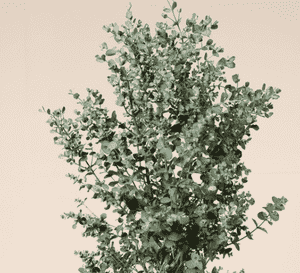
The lovely Cider gum (Eucalyptus gunnii) is a favored option for gardeners who appreciate its fragrant foliage and striking look. Winter, however, presents distinct challenges for this tree. Grasping its particular requirements during the colder months is vital for ensuring its prosperity. The most crucial aspect to remember is that Cider gum is a semi-hardy plant. This means it can endure some frost but needs sufficient protection when temperatures drop sharply. In this guide, we'll explore how to prepare your Cider gum for winter, whether it's outdoors or you choose to bring it inside.
Preparing Cider gum for Overwintering
Choosing the Right Location
Placement is crucial when getting Cider gum ready for winter. For outdoor plants, select a spot that offers natural windbreaks, such as near a building or a fence. A south-facing position that receives ample sunlight throughout the day can also help keep the plant warmer. If your Cider gum is in a pot, consider relocating it to a more sheltered area, like under a porch or into a greenhouse.
Adjusting Watering Practices
As winter approaches, modifying your watering habits is essential. Excessive watering during the colder months can lead to root rot, so it's important to keep the soil slightly moist without being waterlogged. Check the soil moisture regularly and water sparingly â approximately every 10-14 days, but ensure the top 5 cm (2 inches) of soil is dry before you water again.
Mulching for Protection
Mulching is an effective method to safeguard the roots of your Cider gum from freezing temperatures. Apply a thick layer of organic mulch, such as wood chips or leaf mold, around the base of the tree. Aim for a mulch depth of 5-10 cm (2-4 inches) to insulate the roots. Avoid piling mulch directly against the trunk to prevent fungal infections.
Pruning Guidelines
Pruning your Cider gum before winter can help it conserve energy and withstand the cold. Remove any dead or damaged branches to reduce the risk of disease and breakage from heavy snow. Prune selectively to maintain a balanced shape and avoid excessive cutting, which can stress the plant.
Indoor Overwintering Tips
Ideal Indoor Conditions
Bringing your Cider gum indoors for the winter can be a wise decision in colder climates. Find a location that mimics outdoor conditions as closely as possible. A bright, cool room with plenty of indirect light is ideal. Avoid placing the plant near radiators or heating vents, as the dry air can negatively impact its health.
Monitoring Humidity and Temperature
Indoor air can become very dry in winter. To keep your Cider gum healthy, maintain a humidity level of about 50%. You can use a humidifier or place a tray of water near the plant to increase humidity. Aim for indoor temperatures between 10-15°C (50-59°F). Regularly monitoring and adjusting the humidity and temperature will help the plant adapt to its indoor environment.
Lighting Requirements
While indoors, your Cider gum will need adequate light to stay healthy. Position it near a south or east-facing window to ensure it receives bright, indirect sunlight. If natural light is insufficient, consider using grow lights to supplement. Aim for about 6 hours of light daily to keep the plant thriving.
Common Problems and Solutions
Pest Control in Winter
Pests can be a problem even during winter. Check your Cider gum regularly for signs of aphids, mites, or whiteflies. If you spot an infestation, treat it promptly with insecticidal soap or neem oil. Keep the plant clean and remove any fallen leaves or debris around it to minimize hiding spots for pests.
Addressing Root Rot
Root rot can be a significant issue in winter due to overwatering. Ensure your Cider gum has well-draining soil, and consider mixing in perlite or sand to improve drainage. If you suspect root rot, trim away any affected roots and repot the plant in fresh soil. Reducing watering frequency and keeping the soil slightly dry can prevent this problem.



