Enhancing Your Garden Design with the Cider gum Plant: A Landscaping Guide
1
Eucalyptus gunnii adapts well to diverse weather patterns, making it a flexible option for outdoor spaces.
2
Strategic positioning of Cider gum guarantees peak development and aesthetic charm in any garden.
3
Pairing Cider gum with suitable companion plants can boost the beauty and environmental advantages of your garden.
Introducing Cider Gum in Garden Design
Cider gum's visual impact in garden settings
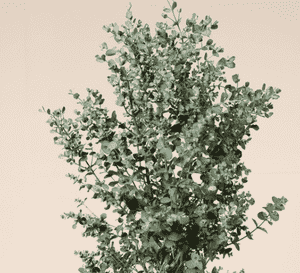
For adding striking visual appeal to your garden, Cider gum is an exceptional choice. Its unique foliage and texture bring an enticing dimension to any landscape. Whether a standalone feature or part of a larger composition, Cider gum can draw attention and create a lasting impression. The grey-green leaves and peeling bark provide year-round visual interest that can set your garden apart.
Exploring Cider gum's adaptability in various landscape styles
Cider gum is incredibly versatile, fitting seamlessly into various landscaping styles. From modern minimalist gardens to lush and rustic setups, it adapts to its surroundings. In contemporary gardens, its clean lines and subdued color complement sleek designs. Alternatively, in naturalistic or cottage gardens, its hardy nature adds a wild, untamed element. This adaptability makes Cider gum valuable for any garden designer experimenting with different aesthetics.
Selecting the Ideal Spot for Cider Gum
Factors for optimal placement consideration
Choosing the right location for Cider gum in your garden is crucial for its health and visual impact. When selecting a spot, consider available space, proximity to other plants, and the overall garden layout. Cider gum can grow quite large, so provide enough room for expansion. Additionally, placing it where it can serve as a focal point or backdrop enhances its aesthetic contribution.
How sunlight and soil influence Cider gum's growth
Sunlight and soil quality play significant roles in Cider gum's successful growth. This plant thrives in full sun, needing at least six hours of direct sunlight daily. For soil, it prefers well-drained options, though it tolerates various types. Ensure the soil is fertile and retains some moisture without becoming waterlogged. Properly addressing these needs helps Cider gum flourish and maintain its vibrant appearance.
Integrating Cider Gum with Other Plants
Companion plants that thrive alongside Cider gum
Creating a cohesive garden design involves choosing plants that complement each other. Cider gum pairs well with other drought-tolerant species and native plants. Consider integrating grasses, lavender, or succulents that share similar soil and sunlight requirements. These companion plants enhance Cider gum's beauty while promoting a balanced ecosystem in your garden.
Crafting aesthetically pleasing plant combinations
Artfully combining Cider gum with other plants can significantly elevate your garden's visual appeal. For instance, pairing it with flowering plants offering a contrasting color palette creates a stunning visual effect. Additionally, using Cider gum as a backdrop for smaller plants or ground covers helps create depth and layers. Experiment with different plant heights and textures to achieve a harmonious and eye-catching landscape.
Caring for Cider Gum in Your Garden
Essential maintenance tips for healthy Cider gum
To ensure Cider gum remains healthy and vibrant, regular maintenance is key. Watering during dry spells, especially when newly planted, helps establish its root system. Pruning is essential for removing dead or damaged branches and encouraging new growth. Fertilizing annually with a balanced, slow-release fertilizer provides necessary nutrients for sustained health and development.
Seasonal care adjustments for Cider gum
Seasonal care is crucial for Cider gum, particularly in regions with distinct seasons. In spring, check for winter damage and prune accordingly. Summer may require additional watering to combat dry conditions. As autumn arrives, reduce watering to allow it to prepare for winter dormancy. Mulching around the base protects roots from extreme cold, ensuring Cider gum thrives year after year.
Environmental Advantages of Planting Cider Gum
Contribution to local ecological systems
By planting Cider gum, you contribute to local ecology in several ways. It provides habitat for various insects and birds, fostering a diverse ecosystem in your garden. Additionally, its nectar-rich flowers attract pollinators, supporting local flora and the overall environment. Including Cider gum in your landscape promotes biodiversity and helps maintain ecological balance.
Improving air quality and other ecological benefits
Cider gum offers numerous ecological benefits beyond its aesthetic appeal. It improves air quality by absorbing CO2 and releasing oxygen. Its dense foliage can also act as a natural barrier, reducing wind speed and providing a microclimate for other plants. These advantages make Cider gum a valuable addition to any garden, contributing to a healthier and more sustainable environment.
Creative Uses for Cider Gum in Landscape Design
Innovative ways to feature Cider gum in your yard
There are countless creative ways to feature Cider gum in your landscape design. Consider using it as a natural privacy screen or windbreak, strategically placed to shield your garden from elements. Cider gum can also be pruned and shaped into unique forms, serving as living artwork. Experiment with different planting arrangements to find the most striking use of Cider gum in your yard.
Utilizing Cider gum as natural sculptures or focal points
Cider gum can be a standout feature in your landscape design, serving as a natural sculpture or focal point. Its distinctive bark and foliage make it ideal for such purposes. Position it in a central location or at key vantage points to draw the eye and create drama in your garden. Whether used singularly or in groups, Cider gum adds an artistic element to your outdoor space.



