The Cider gum Plant Advantage: Maximizing Home and Office Appeal and Wellness
1
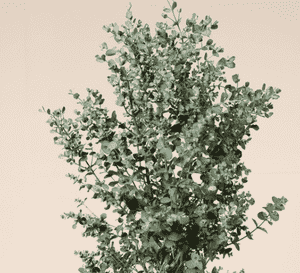
Eucalyptus gunnii is recognized for its strong scent that deters pests.
2
The foliage of Eucalyptus gunnii can be utilized to produce calming fragrant oils.
3
Eucalyptus gunnii trees are frequently cultivated due to their capacity to flourish in infertile ground.
What Makes Cider gum Unique?
Natural Pest Deterrent
A key characteristic of Cider gum is its potent aromatic nature. This attribute makes it an excellent natural insect deterrent, particularly effective against mosquitoes and flies. Essential oils extracted from its foliage can be utilized in diffusers or applied topically, providing a chemical-free alternative to commercial insect control products.
Aromatic Oils for Tranquility
The essential oils derived from Cider gum leaves are not only for repelling insects; they also serve as a calming agent for relaxation and stress reduction. Aromatherapy oils made from Cider gum can be added to baths, incorporated into massage oils, or diffused into the air to foster a serene atmosphere. These oils are valued for their capacity to aid mental clarity and respiratory wellness.
Ecological Advantages of Cider gum
Soil Enhancement
Cider gum is recognized for its hardiness and ability to flourish in poor soil conditions. This makes it an excellent choice for soil improvement initiatives. The tree's root system can help reduce soil erosion and assist in rehabilitating degraded lands. Furthermore, Cider gum can contribute to the nitrogen content in the soil, which benefits surrounding plant life.
Carbon Capture
Like many trees, Cider gum plays a significant role in carbon sequestration. By absorbing carbon dioxide from the atmosphere, Cider gum helps lessen the impacts of climate change. Planting these trees in areas facing deforestation or urbanization can contribute to a healthier environment and improved air quality.
Aesthetic and Practical Applications of Cider gum
Landscaping and Decorative Uses
Cider gum is not only beneficial for its aromatic and environmental qualities; it's also popular in landscaping and ornamental horticulture. The tree's attractive silvery leaves and bark make it a visually appealing addition to gardens and parks. Its distinctive appearance adds texture and color, which can enhance any outdoor space.
Functional Uses in Construction
The wood of Cider gum is durable and resistant to decay, making it a valuable resource in construction and carpentry. It's often used for crafting furniture, fencing, and even flooring. The tree's high oil content also makes it resistant to pests, adding another layer of utility.
Common Questions About Cider gum
Is Cider gum Simple to Cultivate?
Yes, Cider gum is relatively simple to grow and maintain. It thrives in various soil types and requires minimal care once established. Regular watering during its initial growth stages and occasional pruning to shape the tree are usually sufficient.
Can Cider gum Be Utilized in DIY Projects?
Absolutely! The oils and leaves of Cider gum can be incorporated into various DIY projects, from homemade insect repellents and cleaning solutions to handmade soaps and candles. Its wood can also be used in small carpentry projects, making it a versatile addition to any DIY enthusiast's toolkit.



