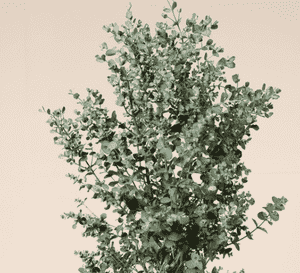
Cider gum(Eucalyptus gunnii)

Cider gum (Eucalyptus gunnii)

Also known as: Cider tree

Cider gum trees (Eucalyptus gunnii) bring multiple advantages to a garden:

1. **Visual Charm**: Their unique silvery-blue leaves and striking bark add beauty to the landscape throughout the year.
2. **Privacy and Shade**: Their rapid growth makes them excellent for creating shaded areas and natural privacy screens.
3. **Low Water Needs**: Once established, they thrive with minimal watering, making them suitable for gardens that require low maintenance.
4. **Wildlife Friendly**: They attract various birds and beneficial insects, enhancing garden biodiversity.
5. **Pleasant Fragrance**: The leaves emit a delightful eucalyptus scent, adding an aromatic element to the garden.

Attributes of Cider gum

Lifespan
Perennial
Plant Type
Tree
Plant Height
35 m
Spread
5 m to 12 m
Leaf Color
Green Silver Gray Blue
Flower Size
3 mm to 5 mm
Flower Color
White

ForwardPlant - Identify plants with a snap

Identify and diagnose plants, get toxicity alerts, and explore safety guides for all types of fungi.

Try for Free

Images of Cider gum

Cider gum(Eucalyptus gunnii)

Quickly Identify Cider gum

1
Eucalyptus gunnii can be identified by its rounded juvenile leaves which later turn into narrow, lance-shaped adult leaves. The bark sheds in strips revealing smooth, pale grey to white new bark underneath.

Scientific Classification of Cider gum

Phylum
Vascular plants
Class
Dicotyledons
Order
Myrtle order
Family
Myrtle
Genus
Eucalypts
Species
Cider gum

Planting and Growing of Cider gum

Care Difficulty
Easy
Watering Schedule
Every 2 days
Sunlight Requirements
Full sun
Sunshine Duration
4-8 hours
Ideal Temperature
50-75℉
Soil Type
Potting Mix, Peat Mix
Soil pH
5.5-7.5
Fertilizer Type
Balanced
Pruning Season
Spring, Summer
Pruning Area
Branches, Leaves
Pruning Frequency
2 times a year
Repotting Season
Spring
Pot Type
Plastic, Ceramic

water icon How to Water Cider gum?

Eucalyptus gunnii, also known as the cider gum, requires consistent watering to thrive but demands careful attention to avoid overwatering. Typically, 500 milliliters of water per session ensures the soil remains sufficiently moist without becoming waterlogged. Ensure the water penetrates the soil to depths where deeper roots can access it.
What are the symptoms of an underwatered Cider gum?
What should I do if my Cider gum is not getting enough water?
What are the symptoms of an overwatered Cider gum?
How to save an overwatered Cider gum?
More About Watering Techniques

sunlight icon What Are the Sunlight Requirements for Cider gum?

Sunlight Requirements: Full sun, Partial sun
Duration of light: 6 to 8 hours
Eucalyptus Gunnii requires conditions ranging from full sun to partial shade. Access to consistent sunlight allows for robust growth and dense foliage, enhancing both its visual appeal and health by fostering healthy photosynthetic activity.
Does Eucalyptus Gunnii thrive in full sun?
How can I optimize lighting for indoor Eucalyptus Gunnii?
What are the benefits of ideal lighting for Eucalyptus Gunnii?
More About Sunlight Requirements Techniques

temperature icon What Is the Ideal Temperature Range for Cider gum?

Ideal Temperature: 50 ~ 75℉
The ideal temperature range for Eucalyptus gunnii to thrive is between 50°F and 75°F. Within this range, the plant can perform photosynthesis efficiently, leading to optimal growth and health. Maintaining temperatures in this range helps avoid stress and potential damage from extremes.

soil icon What Soil is Best for Cider gum?

Soil type: Loam, Sandy loam, Sandy soil
Soil PH: 5.5 ~ 7.5
Eucalyptus gunnii prefers well-draining soil to prevent root rot. This kind of soil ensures excess water doesn't accumulate, promoting healthy root growth. Rich, nutrient-laden soil benefits the eucalyptus by supporting its rapid growth and maintaining vibrant foliage, enhancing overall plant health. The plant thrives in slightly acidic to neutral pH as it optimizes nutrient availability, essential for the robust and healthy development of the Eucalyptus. More About Soil

fertilize icon How to Fertilize Cider gum?

Fertilizer type: Balanced
Eucalyptus gunnii enjoys a balanced approach to fertilization. During the growing season, apply liquid fertilizer at half the recommended strength to avoid over-fertilizing. Choose a balanced N-P-K ratio to support healthy growth. More About Fertilizing Techniques

prune icon How to Prune Cider gum?

Pruning Time: Spring, Winter
The best time to prune Eucalyptus gunnii is in early spring before new growth starts, or in late winter. This allows the plant to heal quickly and reduces stress. Start by removing any dead, diseased, or damaged branches. Then, trim back overly vigorous branches to control the size and shape. Focus on opening the canopy to improve air circulation. Keep an eye on regrowth after pruning. Eucalyptus gunnii can produce a lot of new shoots; selectively remove some to encourage stronger branches and a more open structure. More About Pruning Techniques

propagate icon How to Propagate Cider gum plant?

Propagate Time: Spring, Autumn
1
Soak the seeds in warm water for 24 hours to break dormancy and encourage germination. This step is crucial for improving the germination rate.
2
Select healthy stems and cut 10-15 cm segments. Remove the lower leaves and dip the cut end in rooting hormone to promote root development.
3
Plant seeds or cuttings in well-draining soil. Water lightly to keep the soil moist but not soggy, which can prevent rot and enhance root establishment.
More About Propagating Techniques

repot icon How to Repot Cider gum plant?

Repotting frequency: Every 2-3 years
1
Eucalyptus gunnii shows signs like roots protruding from drainage holes or slowed growth, indicating it needs repotting. These signals suggest the plant has outgrown its container and requires more space to support healthy development.
2
Choose a pot that is at least 2 inches larger in diameter than the current one. Ensure it has adequate drainage holes to prevent waterlogging. A larger and well-draining pot provides room for root expansion and helps maintain the plant’s health by preventing root rot.
3
Opt for well-draining, neutral pH soil that mimics the plant's natural environment. This choice is crucial as it helps prevent overwatering issues and provides the necessary nutrients for robust growth.
More About Repotting Techniques

ForwardPlant - Identify plants with a snap

Find the best spots for them to optimize their health, simply using your phone.

Try for Free

Toxicity of Cider gum

Is Cider gum toxic to cat?

Cider gum is recognized as toxic to felines. Cats may come into contact with this plant primarily through the accidental consumption of any of its parts, given that every component is poisonous. After ingesting cider gum, cats may display signs of physical discomfort or distress, which necessitate immediate intervention. Cat guardians should remain alert and ensure their pets are kept away from cider gum, and should ingestion take place, it is crucial to obtain swift veterinary assistance to reduce the risk of health issues.

Is Cider gum toxic to dog?

Cider gum is recognized as a toxic plant for dogs. Canines might inadvertently consume parts of this plant, resulting in poisoning. The entire plant—comprising leaves, bark, and flowers—harbors toxic components that can endanger dog health. Symptoms of poisoning in dogs can manifest as vomiting, diarrhea, lethargy, excessive drooling, and in severe instances, seizures or loss of consciousness. It is essential for dog owners to be alert and restrict their pets from accessing cider gum. If a dog is suspected of consuming any portion of cider gum, it is vital to seek immediate veterinary care to secure the best possible outcome for the affected animal.

Identify toxic plants for your safety

Learn which plants are harmful to you and your pets, and make informed choices for a safer home!

Try for Free
WARNING
The judgment on toxicity and danger is for reference only. We DO NOT GUARANTEE any accuracy of such judgment. Therefore, you SHALL NOT rely on such judgment. It is IMPORTANT TO SEEK PROFESSIONAL ADVICE in advance when necessary.
More About Toxic Techniques

