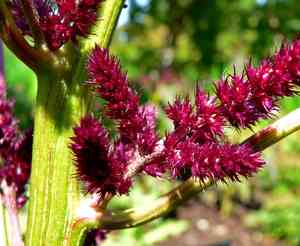
Clammy Goosefoot (Dysphania pumilio)
Also known as: Clammy Glanduar Goosefoot, Ridged Goosefoot, Australian Goose Foot
The clammy Goosefoot (Dysphania pumilio), originally from Australia, likely spread to Europe through the export of wool contaminated with its seeds. This accidental introduction via wool shipments probably facilitated its spread to other global regions as well.
In This Article
Attributes of Clammy Goosefoot
Lifespan
Annual
Plant Type
Herb
Plant Height
1 cm to 45 cm
Spread
Not applicable
Leaf Color
Green
Flower Size
3 mm to 6 mm
Flower Color
Yellow Green
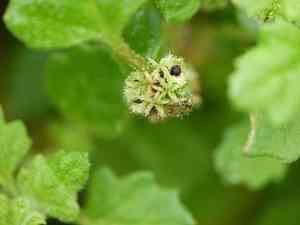
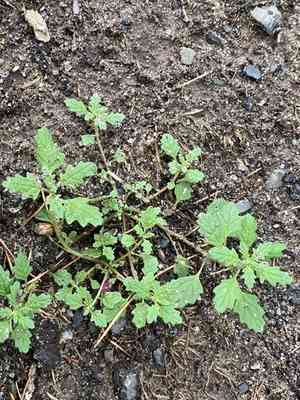
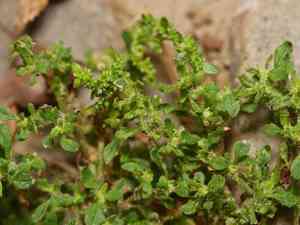
Images of Clammy Goosefoot
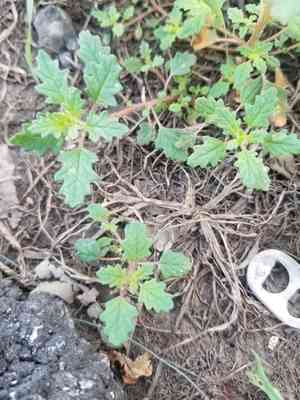
Quickly Identify Clammy Goosefoot
1
Dysphania pumilio can be identified by its slender, erect stems and small, greenish-yellow flowers. The leaves are often lance-shaped and slightly toothed.
Scientific Classification of Clammy Goosefoot
Phylum
Vascular plants
Class
Dicotyledons
Order
Caryophyllales
Family
Amaranth
Genus
Dysphania
Species
Clammy Goosefoot
Planting and Growing of Clammy Goosefoot
Care Difficulty
Easy
Watering Schedule
Every 3 days
Sunlight Requirements
Full sun
Sunshine Duration
4-8 hours
Ideal Temperature
68-77℉
Soil Type
Potting Mix, Peat Mix
Soil pH
6.5-7.5
Fertilizer Type
Balanced
Pruning Season
Spring, Summer
Pruning Area
Branches, Leaves
Pruning Frequency
2 times a year
Repotting Season
Spring
Pot Type
Plastic, Ceramic
 How to Water Clammy Goosefoot?
The watering amount for Dysphania pumilio is around 150 milliliters per session, ensuring just enough moisture to reach the roots but avoiding waterlogging. The goal is to mimic its natural habitat, where the soil remains slightly damp but never wet, maintaining a balanced moisture level.
What are the symptoms of an underwatered Clammy Goosefoot?
›
What should I do if my Clammy Goosefoot is not getting enough water?
›
What are the symptoms of an overwatered Clammy Goosefoot?
›
How to save an overwatered Clammy Goosefoot?
›
 What Are the Sunlight Requirements for Clammy Goosefoot?
Partial sun ensures enough energy for Dysphania pumilio to thrive, fostering lush foliage and enhancing its photosynthetic efficiency.
What is the best lighting for Dysphania pumilio?
›
How can I achieve the ideal lighting for Dysphania pumilio?
›
What benefits does the ideal lighting condition provide?
›
 What Is the Ideal Temperature Range for Clammy Goosefoot?
The ideal temperature range for growing Dysphania pumilio is between 68°F and 77°F. This range ensures that the metabolic processes within the plant are maximized for optimal growth. Maintaining this temperature range supports the plant's ability to photosynthesize efficiently, ensuring healthy development and vibrant foliage. Growth outside this range can lead to suboptimal growth conditions.
 What Soil is Best for Clammy Goosefoot?
Dysphania pumilio thrives best in well-drained soil that prevents waterlogging, which can otherwise lead to root rot. This soil requirement is crucial as it ensures the roots have sufficient air circulation and maintain overall plant health. This plant prefers moderately fertile soils as overly rich soils can lead to excessive leafy growth at the expense of flower production. Thus, a balanced fertility ensures an optimal growth rate, resulting in healthy and vibrant plants. Incorporating organic matter into the soil enhances its structure and moisture retention, befitting Dysphania pumilio's growth. Organic matter provides necessary nutrients and improves the biological activity of the soil, aiding in robust plant development.
 How to Fertilize Clammy Goosefoot?
For Dysphania pumilio, it is effective to use a balanced liquid fertilizer diluted to half strength, applying around 10-20 ml per plant. This ensures that nutrients are available without the risk of over-fertilization.
 How to Prune Clammy Goosefoot?
The first step is identifying and removing any dead or diseased stems. This helps the plant allocate resources to healthy growth and prevents the spread of disease. After removing unhealthy stems, move on to shaping the plant. Trim back any unruly growth to maintain a balanced and attractive aesthetic, ensuring good air circulation and sunlight penetration. To encourage bushy growth, make your cuts just above a node where leaves attach to the stem. This encourages side shoots to develop, keeping the plant dense and compact.
 How to Propagate Clammy Goosefoot plant?
1
Sow the seeds thinly in a seed tray filled with a sterile seed-starting mix. Gently cover the seeds with a thin layer of soil or vermiculite, and water thoroughly. Place the tray in a warm location with indirect sunlight.
2
To take cuttings, select a healthy parent plant and use sharp pruning shears to cut a 10-15 cm length of healthy stem. Remove the lower leaves, leaving a few at the top, and dip the cut end into rooting hormone powder.
3
Insert the prepared cuttings into a pot filled with a well-draining propagation mix. Firm the soil around the base to support the cutting. Water lightly and cover with a clear plastic bag to maintain humidity, ensuring it doesn't touch the leaves.
 How to Repot Clammy Goosefoot plant?
1
Dysphania pumilio needs repotting when you notice its roots beginning to outgrow the existing pot. Look for signs like roots growing through drainage holes or the plant seeming top-heavy and unstable. Early Spring or Summer is the ideal time as it allows the plant to settle in before its active growing period.
2
Choosing the right pot is crucial for Dysphania pumilio. Opt for a pot that is only slightly larger than the current one to prevent waterlogging. A pot with ample drainage holes ensures healthy air circulation around the roots and minimizes the risk of root rot.
3
Select a soil mix that is well-draining and sandy. This composition ensures that excess water is swiftly evaporated, reducing the risk of waterlogged roots while still retaining enough moisture for the plant to thrive. It mimics the plant's natural environment, promoting robust health and growth.



