How to Transplant Clammy Goosefoot?
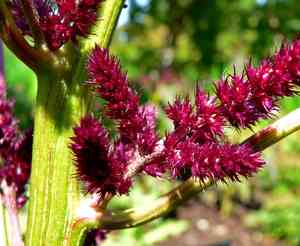
During periods of renewal and development, clammy Goosefoot flourishes most effectively when transplanted. Select a bright location featuring soil that drains efficiently. Carefully transfer clammy Goosefoot to its new environment, encouraging its root system to establish without external support.
What Preparations are Needed Before Transplanting Clammy Goosefoot?
What is the Ideal Time for Transplanting Clammy Goosefoot?
The optimal period to relocate clammy Goosefoot is during spring's onset, as the earth awakens. The mild climate and increasing daylight during this season encourage vigorous development. Moving them now leverages nature's renewal cycle, giving clammy Goosefoot a strong start. Gentle relocation at this time ensures they will thrive, firmly rooted before summer's heat. Your garden will flourish with clammy Goosefoot's enhanced vitality, a testament to nature's perfect timing.
How Much Space Should You Leave Between Clammy Goosefoot Plants?
When getting ready to transplant clammy Goosefoot, position your young plants approximately 6-8 inches (15-20 cm) apart. This provides each plant with sufficient room to develop and prosper. Avoid overcrowding them!
What is the Best Soil Mix for Clammy Goosefoot Transplanting?
Prepare your soil for clammy Goosefoot's relocation with careful consideration. A light, well-draining soil will perform exceptionally well. Incorporate a balanced fertilizer into the base of your planting hole to provide clammy Goosefoot with a good nutritional boost.
Where Should You Relocate Your Clammy Goosefoot?
Like many plants, clammy Goosefoot thrives in sunlight. Therefore, select a garden spot that receives ample sun exposure. This will help ensure your clammy Goosefoot grows tall and healthy post-transplantation. Remember, sunlight is crucial!
What Equipments Should You Prepare Before Transplantation Clammy Goosefoot?
Gardening Gloves
Shield your hands from abrasive materials and sharp objects while handling the plant and soil.
Gardening Trowel
Assists in excavating the planting site and in lifting the plant from its initial location.
Garden Shears
Trim the clammy Goosefoot plant prior to transplanting. This promotes and directs the plant's energy towards root development instead of leaves and stems.
Gardening Fork
Useful for loosening the soil around the plant at its original spot to facilitate removal.
Watering Can
Needed to moisten the soil surrounding the roots both before and after transplant.
Mulch
Apply around the clammy Goosefoot plant after transplanting to help retain soil moisture and suppress weeds.
How Do You Remove Clammy Goosefoot from the Soil?
How Do You Remove Clammy Goosefoot from the Soil?
From Ground: Begin by watering the soil around the clammy Goosefoot plant to dampen it, making the extraction process less stressful for the plant. Use your gardening fork to gently loosen the soil surrounding the plant, then with a trowel, carefully dig around the plant, ensuring the root ball remains intact. Once the plant is loose, lift it from the ground with care.From Pot: First, water the plant thoroughly. Turn the pot sideways, hold the clammy Goosefoot plant gently by its stems or leaves, pull off the pot, and slide the root ball out. If the plant is stuck, tap the pot's edges to loosen the soil.From Seedling Tray: After watering the tray, hold the base of the clammy Goosefoot plant's stem between your forefinger and middle finger, and with your other hand, invert the tray and tap it gently until the seedling emerges. Be careful not to harm the delicate roots.
Step-by-Step Guide for Transplanting Clammy Goosefoot
Digging Hole
Excavate a hole that is twice the width and the same depth as the root ball of your clammy Goosefoot plant using your trowel. This provides ample space for the roots to spread.
Preparing the Plant
Just before planting, water the clammy Goosefoot plant thoroughly in its original container. This moistens the root ball and aids in moisture absorption once transplanted.
Inserting the Plant
Place your plant in the hole. The top of the root ball should be level with or slightly above the soil surface. Backfill the hole with the same soil, gently firming it around the plant so it stands upright.
Final Touches
Water generously immediately after planting using your watering can. Add mulch around the plant, avoiding piling it against the stem, to conserve water and inhibit weed growth.
How Do You Care For Clammy Goosefoot After Transplanting?
Watering
Avoid overwatering the clammy Goosefoot plant; keep it moist but not saturated. Initially, water lightly but frequently to encourage surface rooting. As the plant establishes, water less often but more deeply to promote deeper root development.
Trimming
Pruning of the clammy Goosefoot should occur a few weeks after transplantation. This will help the plant direct its energy towards root growth rather than foliage production.
Protection
Shield the newly transplanted clammy Goosefoot plant from potential threats such as harsh weather, pests, diseases, and direct sunlight until it is well-established.
Troubleshooting Common Issues with Clammy Goosefoot Transplantation.
When is the best time of year to transplant clammy Goosefoot?
The most favorable time to transplant clammy Goosefoot is between early and mid-year, as their development is most robust during this period.
What is the ideal distance to space clammy Goosefoot when transplanting?
Ensure that clammy Goosefoot is spaced approximately 6-8 inches (15-20 cm) apart. This allows the plant sufficient room to grow without interference from adjacent plants.
Why are my transplanted clammy Goosefoot wilting?
Wilting might be due to insufficient water. Only water clammy Goosefoot when the top inch of soil has dried and ensure proper drainage. Prevent waterlogging the roots.
How deep should the transplant hole for clammy Goosefoot be?
The transplant hole should be deep enough to fully accommodate clammy Goosefoot's root ball. This enables the roots to establish themselves in the new location.
My transplanted clammy Goosefoot are not growing well. What's wrong?
Poor growth may stem from inadequate soil nutrition. Consider incorporating compost or organic matter to enrich the soil and stimulate growth.
Can I transplant clammy Goosefoot in a pot?
Absolutely! Clammy Goosefoot can flourish in containers. Just ensure ample space for the plant to grow and good soil drainage to prevent root waterlogging.
Why are the leaves of my transplanted clammy Goosefoot turning yellow?
Yellow leaves could indicate a nutrient deficiency in the soil, or excessive watering. Review your watering schedule and the soil's nutrient levels.
How long after transplanting does clammy Goosefoot start to grow?
Clammy Goosefoot typically requires a few weeks to establish and show noticeable growth after transplanting. Patience and proper care will result in healthy plants.
Should I prune clammy Goosefoot before transplanting?
Not necessarily. Clammy Goosefoot does not require pruning prior to transplantation. However, removing any unhealthy or damaged leaves can help the plant to better establish itself.
Why are the edges of my transplanted clammy Goosefoot browning?
Browning leaf edges could signal overexposure to sunlight or a lack of water. Make sure your clammy Goosefoot receives balanced sunlight and adequate watering.



