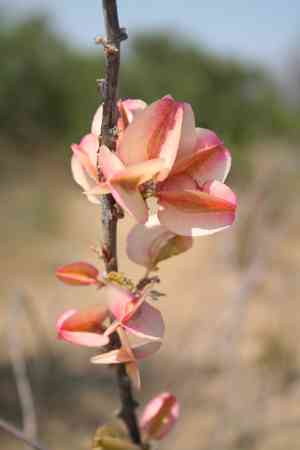
Flame keeper (Combretum paniculatum)
Also known as: Combretum, Flame Creeper
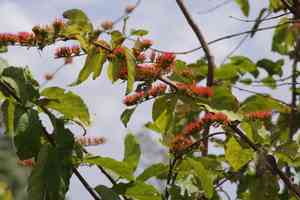
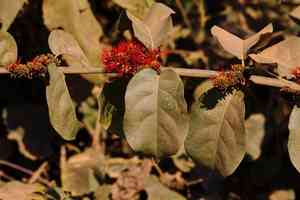
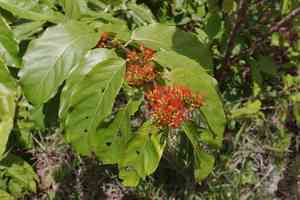
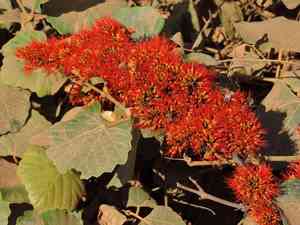
Flame keeper plants excel in warm, temperate to tropical climates, displaying vibrant clusters of red or orange flowers that attract pollinators. They grow best in full sunlight and can adapt to different soil types, provided the soil is well-draining and kept consistently moist. The broad, paired leaves have a slightly leathery texture. These plants are known for their resilience and ornamental beauty, making them a lovely addition to gardens.
In This Article
Attributes of Flame keeper
Lifespan
Perennial
Plant Type
Tree, Vine
Plant Height
2 to 4 meters (6.5 to 13 feet)
Spread
Variable, depending on support structure
Leaf Color
Dark green
Flower Size
Up to 2 cm (0.8 inches)
Flower Color
Bright red to orange-red
Images of Flame keeper
Quickly Identify Flame keeper
1
Identify Combretum paniculatum by its vivid red, tubular flowers arranged in large panicles, broad and elliptical leaves, and its tendency to climb or sprawl over structures.
Scientific Classification of Flame keeper
Phylum
Vascular plants
Class
Dicotyledons
Order
Myrtales
Family
White mangrove
Genus
Bushwillows
Species
Flame keeper
Planting and Growing of Flame keeper
Care Difficulty
Moderate
Watering Schedule
Every 4 days
Sunlight Requirements
Full sun
Sunshine Duration
4-8 hours
Ideal Temperature
65-75℉
Soil Type
Potting Mix, Peat Mix
Soil pH
6.5-7.5
Fertilizer Type
Balanced
Pruning Season
Spring, Summer
Pruning Area
Branches, Leaves
Pruning Frequency
2 times a year
Repotting Season
Spring
Pot Type
Ceramic, Plastic
 How to Water Flame keeper?
The watering amount for Combretum paniculatum should be around 500 ml each session. You should aim to soak the soil thoroughly until some water begins to seep out of the drainage holes, ensuring that the roots receive ample moisture without becoming waterlogged.
What are the symptoms of an underwatered Flame keeper?
›
What should I do if my Flame keeper is not getting enough water?
›
What are the symptoms of an overwatered Flame keeper?
›
How to save an overwatered Flame keeper?
›
 What Are the Sunlight Requirements for Flame keeper?
Combretum paniculatum flourishes with partial to full sun exposure, receiving a minimum of 4 to 6 hours of light daily. Ideal light supports robust growth, lush foliage, and vibrant flower production.
What is the ideal light condition for Combretum paniculatum?
›
How to ensure ideal light for Combretum paniculatum?
›
What benefits does ideal lighting provide to Combretum paniculatum?
›
 What Is the Ideal Temperature Range for Flame keeper?
The ideal temperature range for Combretum paniculatum is between 65°F and 75°F. This range provides optimal conditions for growth and blooming, ensuring that the plant remains healthy and vibrant. It's suitable for their photosynthetic efficiency and supports robust development of both foliage and flowers.
 What Soil is Best for Flame keeper?
Combretum paniculatum thrives in well-drained soils that prevent waterlogging, ensuring healthy root development and reducing the risk of root rot. This is crucial for the plant’s overall growth and vitality. This plant benefits from nutrient-rich soils that support vibrant flowering and foliage. The presence of essential nutrients contributes to robust growth and improved resilience against pests and diseases. Combretum paniculatum prefers soils with moderate moisture levels, balancing the need for adequate hydration while avoiding excessive wetness, which can stunt growth and lead to fungal issues.
 How to Fertilize Flame keeper?
For Combretum paniculatum, it's crucial to balance the fertilizer amount to ensure vibrant growth without overburdening the plant. Ideally, apply 1 tablespoon of liquid fertilizer per gallon of water during its active growth period. For slow-release fertilizers, 0.5 pounds per square yard of soil is generally sufficient for the year.
 How to Prune Flame keeper?
Begin by inspecting the plant for any dead, damaged, or diseased branches. Use clean, sharp pruning shears to remove these branches, cutting back to the point where healthy wood begins. For shaping, look for long, leggy growth and trim back to promote a fuller appearance. Always cut just above a leaf node to encourage new growth in the desired direction. Throughout the growing season, make minor cuts to maintain the plant’s desired shape and size.
More About Pruning Techniques→
 How to Propagate Flame keeper plant?
1
Collect mature seeds from the plant during the early spring when they are ready for harvest. Ensure that the seeds are dry and free from disease before planting to increase the success rates of germination.
2
Select healthy, disease-free branches for cuttings. Cut a segment of about 4-6 inches in length, ideally just below a node. Ensure the cut is clean and precise to promote successful rooting.
3
Dip the cut end of the cutting into rooting hormone powder before planting it in a moist, well-draining soil mix. This will encourage rooting and increase the likelihood of successful propagation.
 How to Repot Flame keeper plant?
1
Combretum paniculatum typically needs repotting when its roots outgrow the current container, exhibiting dense roots visible on the surface or emerging from drainage holes. Additionally, poor soil quality or stagnant growth are indicators that it's time for repotting. Spring and summer are ideal seasons to repot when the plant is actively growing, allowing for better recovery in its new environment.
2
Select a pot that is 1-2 inches larger in diameter than the current one, with multiple drainage holes to prevent waterlogging. A ceramic or plastic pot works well, offering sufficient weight for stability and ease of handling. The right pot size prevents root circling and supports better aeration, ensuring healthier growth for your Combretum paniculatum.
3
Opt for a loamy, well-drained potting mix with a balanced pH. Including sand or perlite in your mix ensures excellent drainage, preventing root rot. This soil composition mimics the natural habitat of Combretum paniculatum, providing both nutrients and aeration crucial for its lush growth and flowering potential.
Learn More About Flame keeper Diseases
Anthracnose
Bacterial Leaf Spot
Black Spot
Chemical Injury
Crown Gall
Damping-off
Downy Mildew
Drought Stress
Fusarium Wilt
Gray Mold
Leaf Curl
Leaf Spot
Mosaic
Nutrient Deficiency
Nutrient Toxicity
Powdery Mildew
Root Rot
Root-knot Nematode
Rusts
Sooty Mold
Spider Mites
Temperature Stress
Thrips Damage
White Mold



